
How to Clean a Fabric Couch: A Step-by-Step Guide for Every Upholstery Type
November 13, 2026
A microfiber couch can look beautiful for years—until someone spills coffee, rubs a greasy armrest, or cleans a mark with a soaking-wet towel. The original stain may vanish, leaving a darker ring or flattened patch that looks worse than before. Microfiber upholstery is often durable, but incorrect treatment can damage its texture, finish, or color.
If you’re wondering how to clean a microfiber couch without water rings, begin with the furniture’s care label. Microfiber describes very fine fibers, not a universal cleaning method. Some microfiber sofas allow water-based products; others require water-free cleaning or dry vacuuming only.
This research-informed guide gives US homeowners, renters, parents, and pet owners a realistic plan for cleaning codes, routine maintenance, spills, water rings, crushed nap, and professional care. It prioritizes manufacturers’ instructions over viral home remedies, and does not claim unperformed stain tests.
Quick Answer: How to Clean a Microfiber Couch Safely
Vacuum first, read the care code, test an approved cleaner on a hidden area, blot rather than scrub, and allow complete drying. For code S, avoid water and steam. For X, use only permitted dry maintenance. Never assume that a spray or machine is safe merely because the material is called microfiber.
Our broader fabric couch cleaning guide covers different upholstery families; this article concentrates on microfiber-specific issues and water rings.
1. What Makes Microfiber Different?
Microfiber is commonly made from extremely fine synthetic fibers, frequently polyester or polyamide blends. Its construction can produce a smooth tight weave or a soft brushed nap resembling suede. Microsuede is generally a microfiber appearance, not the same thing as genuine leather suede.
The short pile can show light and dark changes when fibers lie in different directions. Microfiber can also accumulate skin oils, snacks, pet hair, or fine soil in high-contact areas. Over-wetting may move dissolved soil to the boundary of the damp patch, forming a visible halo during drying. But rings can also result from cleaner residue, changed nap, or dye movement.
A microfiber label does not tell you whether water, solvents, steam, or machine washing are appropriate. Backing, cushion foam, dyes, finishing treatments, and construction all matter. That’s why the care code must come before any liquid cleaner.
2. Decode the Upholstery Cleaning Codes
Look under a seat cushion, along the underside of the frame, or inside the furniture’s care documentation. Upholstery codes help identify the type of cleaning agent, but even an appropriate code does not override product-specific instructions. The Association for Contract Textiles explains these widely recognized codes and the limits of relying on codes alone.
A W code does not permit soaking the cushions. S cleaning may involve chemicals requiring ventilation and careful handling; avoid ignition sources and follow the label. Code X requires special restraint: don’t try a damp cloth on a persistent stain. If the label is absent, identify the model or seek professional advice rather than guessing.
The Five-Minute Patch Test
Choose a hidden back corner or underside of a cushion. Apply a small amount of the specifically approved cleaner, following its directions. Wait until the test area has dried completely; inspect for dye transfer, stiffness, dark halos, fading, shrinking, and changes in texture. A wet test can look successful even though a ring develops later. When uncertainty remains, stop.
3. Essential Cleaning Supplies
A basic kit should emphasize dry removal before chemical treatment. You don’t need every trending cleaner, machine, or gadget. Use a vacuum with a suitable upholstery brush and crevice attachment, clean white towels, microfiber cloths, and a soft fabric-safe brush. Keep a fan available to improve airflow when damp cleaning is actually permitted.
- Upholstery vacuum attachment: removes loose hair, crumbs, and surface dust without excessive abrasion.
- Crevice tool: reaches tight cushion gaps and seams.
- Plain white towels: show dye transfer and avoid depositing colored dyes.
- Approved upholstery cleaner: selected only after checking the care code and furniture instructions.
- Soft brush: useful for dry debris or restoring nap if the manufacturer allows brushing.
- Fan and ventilation: promote drying and support safe product use.
Avoid paint thinner, acetone, gasoline, harsh degreasers, and other improvised solvents. If you are unfamiliar with solvent cleaning, a professional is often safer. Do not mix products or assume that dish soap, vinegar, rubbing alcohol, or baking soda is suitable for every sofa.
4. Step-by-Step Routine for a Lightly Soiled Sofa
Step 1: Inspect and Clear the Furniture
Remove throws, pillows, and removable cushions where allowed. Look at seams, armrests, headrests, and seat edges. Check for fraying, pilling, color loss, or loose backing; these problems cannot be fixed simply by cleaning. Take a photo of existing marks if you’re unsure whether later treatment changes their appearance.
Step 2: Vacuum Slowly
Work across seats, backs, arms, and cushion edges using the soft upholstery attachment. Take extra time near piping and buttons. Vacuum beneath removable cushions with a crevice tool. This dry pass prevents loose soil from becoming muddy when a compatible cleaner is applied.
Step 3: Identify the Mark
Decide whether you are facing fresh liquid, oily buildup, food residue, dry mud, pet hair, or crushed nap. A darker-looking patch may be an optical change from fiber direction rather than a stain. If permitted, gently brush the surface first and inspect it from different angles before using chemicals.
Step 4: Choose the Code-Compatible Treatment
Use only the specific method permitted for W, S, or W/S fabric. Apply a small amount according to product directions, often onto a cloth rather than pouring it on upholstery. Work in manageable sections and never soak cushions. For X fabric, stop after suitable dry cleaning.
Step 5: Blot and Work Inward
Blot a fresh spill with a clean, absorbent white cloth. Lift, reposition, and repeat instead of scrubbing. When a compatible stain treatment is allowed, work from outside toward the center to reduce spreading. Do not drive soil deeper into fibers by applying heavy pressure.
Step 6: Dry and Reassess
Use airflow rather than direct heat, keep cushions separate while drying, and do not sit on damp upholstery. Recheck only after the outer fabric and padding are dry. If the nap looks flattened, brush lightly only when permitted. If a halo or new mark appears, stop adding cleaner and diagnose the cause.
5. Cleaning a W-Code Microfiber Couch
W-code upholstery permits particular water-based cleaning products, but controlled application is crucial. Use a labeled upholstery foam or other manufacturer-approved solution. Follow the amount, dwell time, residue removal, and drying instructions. Don’t automatically substitute laundry detergent or dish soap. If the product causes a halo during your patch test, do not treat the visible seat.
For larger dirty areas, ask whether professional cleaning of the entire panel is preferable. Repeatedly applying water to isolated spots can leave visible clean circles against otherwise soiled upholstery. Upholstery construction may also restrict extraction machines even when water-based spot cleaning is allowed.
6. Cleaning an S-Code Microfiber Couch
S means a prescribed water-free cleaning method. Skip water, vinegar solutions, wet soap, and steam. Some cleaning articles suggest household rubbing alcohol, but an S label does not authorize every solvent; dyes, adhesives, and protective finishes may react differently. Choose only an approved upholstery product and follow all safety directions.
Provide strong ventilation, avoid open flames, and follow product warnings. Never use unapproved industrial solvents. For expensive furniture, widespread stains, or fabrics with uncertain dyes, a trained upholstery cleaner can reduce the risk of accidental damage.
7. What About W/S and X Codes?
W/S or S/W can allow a choice of specified cleaning methods, not a free pass to use any liquid. Start with vacuuming, select the gentlest product the maker recommends for the particular stain, then patch-test. Avoid mixing water- and solvent-based treatments on the same damp patch.
With code X, routine maintenance is usually limited to gentle brushing and vacuuming. Carefully blot a new spill with a dry white towel, and contact the manufacturer for stains requiring anything beyond dry treatment. Unknown code? Treat it as a research problem: find the manufacturer’s instructions before applying a liquid.
8. Stain-Response Guide: Coffee, Oil, Pets, and More
The best first move depends on the material and stain, but prompt, careful blotting is widely useful for fresh liquid spills. Do not let the problem push you into applying an unapproved cleaner.
Coffee, Soda, and Juice
Fresh beverages can leave sugars, pigments, or sticky residue. Blot immediately and change towels as they fill. Avoid pouring hot water over the spot; it may spread material into the filling. If the label permits treatment, use a compatible upholstery product and avoid overworking the fibers.
Body Oils and Greasy Snacks
Repeated contact leaves oily patches on armrests and headrests, especially in busy family rooms. First check that the appearance is not simply crushed nap. Lift food solids gently and blot oil without rubbing. Use a product explicitly formulated for the fabric and type of stain, or consult a professional for large areas.
Pet Accidents
Blot rapidly because liquid can reach internal foam. A cleaner labeled safe around animals is not necessarily compatible with upholstery. Even enzyme-based solutions may be unsuitable for an S or X sofa. If odors linger inside cushions after approved cleaning, professional assessment or foam replacement may be necessary.
Ink, Dye, and Makeup
These stains can react unpredictably with solvents and finishes. Avoid nail-polish remover, bleach, and vigorous rubbing. If the item is valuable or the stain is extensive, photograph it and consult a specialist before testing an unfamiliar product.
For pet-prone households, our pet-friendly upholstery buying guide explains how fabric choice affects routine care.
9. How to Remove Microfiber Water Rings
A water ring may be caused by dissolved grime moving to the edge of the wet patch, cleaner residue, texture distortion, or dye movement. No single recipe addresses all of these possibilities. The safest approach begins with diagnosis instead of another round of moisture.
First, Let the Fabric Dry Completely
Do not evaluate the mark while damp. Improve ventilation and wait for drying. Check the patch from several angles. If it becomes lighter or darker when the fabric nap is gently shifted, some of the visual difference may be directional rather than a deposited stain.
Second, Check the Care Code Again
Never add water to an S or X fabric to chase an existing ring. With W or W/S upholstery, one maker-approved correction may be possible, but repeated localized wetting risks expanding the problem. For pronounced rings, professional full-panel cleaning can be safer than spot-by-spot experiments.
Third, Look for Residue or Damage
Stiffness may indicate product residue, while fuzzy abrasion or color loss suggests a different problem. Do not scrub until the fabric looks even. A worn surface cannot necessarily be restored by additional cleaning. If the first approved correction fails, stop and seek help.
10. How to Restore Crushed Microfiber Nap
A suede-like surface may appear patchy because the tiny fibers lie at different angles. Dry vacuuming and gentle brushing in one direction can sometimes improve appearance when the manufacturer allows it. Start in a hidden location because delicate finishes may be sensitive to friction.
If an area feels hard or sticky after cleaning, residue or overwetting may be involved. Check the approved product’s removal directions rather than automatically rinsing. Permanent heat damage, abrasion, or dye loss is not fixed by fluffing. Compare the cleaned spot with neighboring upholstery before deciding what to try next.
11. Can You Steam or Machine-Clean Microfiber?
A handheld steamer and an upholstery extractor are not the same as cautious spot cleaning. Steam adds heat and moisture, while extractors can push liquid into padding and backing. Some manufacturers allow these tools for particular models; others prohibit them even when the code includes W.
Before using any machine, find explicit authorization in your furniture instructions. For S or X codes, do not use wet extraction or steam. If you cannot confirm machine compatibility, vacuum and use the permitted spot method—or hire a professional.
12. Are Common Home Remedies Safe?
Vinegar and dish soap solutions are water-based, so they are inappropriate for S and X upholstery. Rubbing alcohol is a solvent, but still may damage certain dyes or coatings and must not be assumed safe for every S sofa. Baking soda powder can lodge in fine weave or seams. Hydrogen peroxide and bleach can discolor fabrics.
A popular online recipe is not a substitute for specific manufacturer instructions. Never combine cleaning chemicals; particularly avoid bleach with ammonia-containing or acidic products. Follow safety precautions and keep children and pets away until the treated furniture is safe to use.
13. A Realistic Microfiber Maintenance Schedule
The simplest way to prevent stubborn stains is consistent low-effort maintenance. These suggested housekeeping intervals are flexible, not manufacturer requirements. Increase attention in homes with shedding pets, frequent snacks, or heavily used sofas.
For a wider household routine, follow our whole-home care system to coordinate fabric cleaning with other rooms.
14. What to Look for in a Microfiber Upholstery Cleaner
Buy according to the fabric instructions, not popularity or dramatic before-and-after photographs. Compare the cleaning-code compatibility, stain type, application method, expected residue, drying instructions, safety warnings, and usable area per container.
- Does the label explicitly permit the material and cleaning code?
- Is the cleaner intended for oils, water-soluble spills, or general soil?
- Does it explain whether residue must be removed?
- Are ventilation and flammability warnings clear?
- Can you spot-test it safely before treating the visible sofa?
- Is the coverage and cost practical for the area you actually need to clean?
Homes & Looms is not presenting undocumented comparative laboratory results in this article. Product claims should be assessed against instructions and independent evidence rather than invented performance scores.
15. Preventing Future Marks and Stains
Reduce the everyday causes of mess: vacuum regularly, remove crumbs, address fresh spills, and place washable throws on frequently used seats. Keeping pets’ paws clean and giving them a dedicated washable blanket may also reduce soiling. Rotate reversible cushions when allowed so the same armrest or corner does not take all the wear.
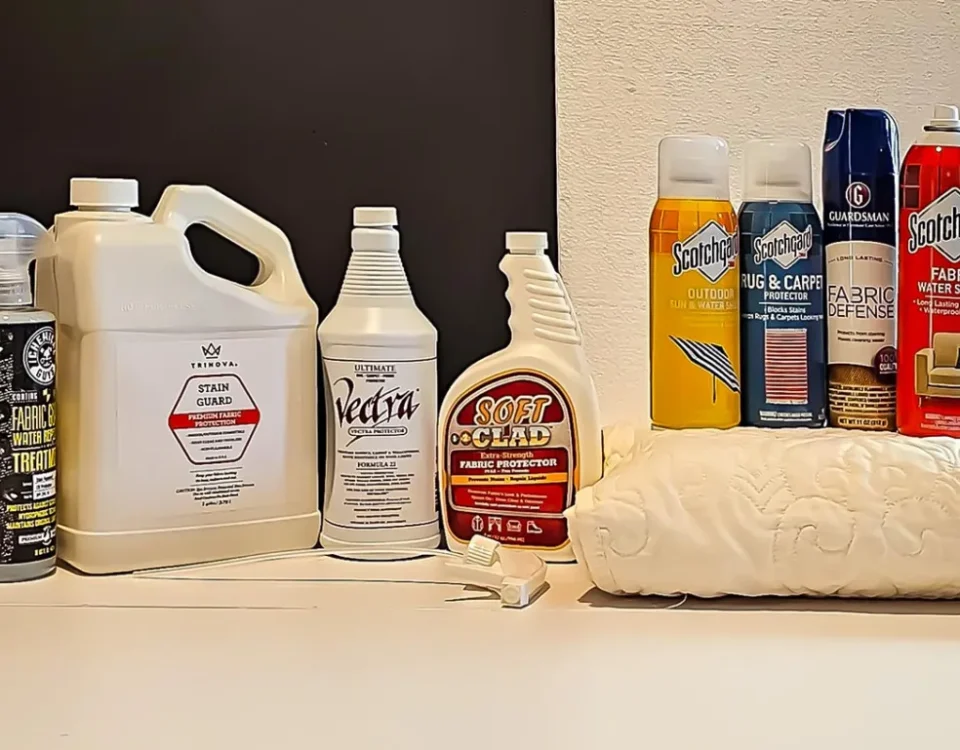
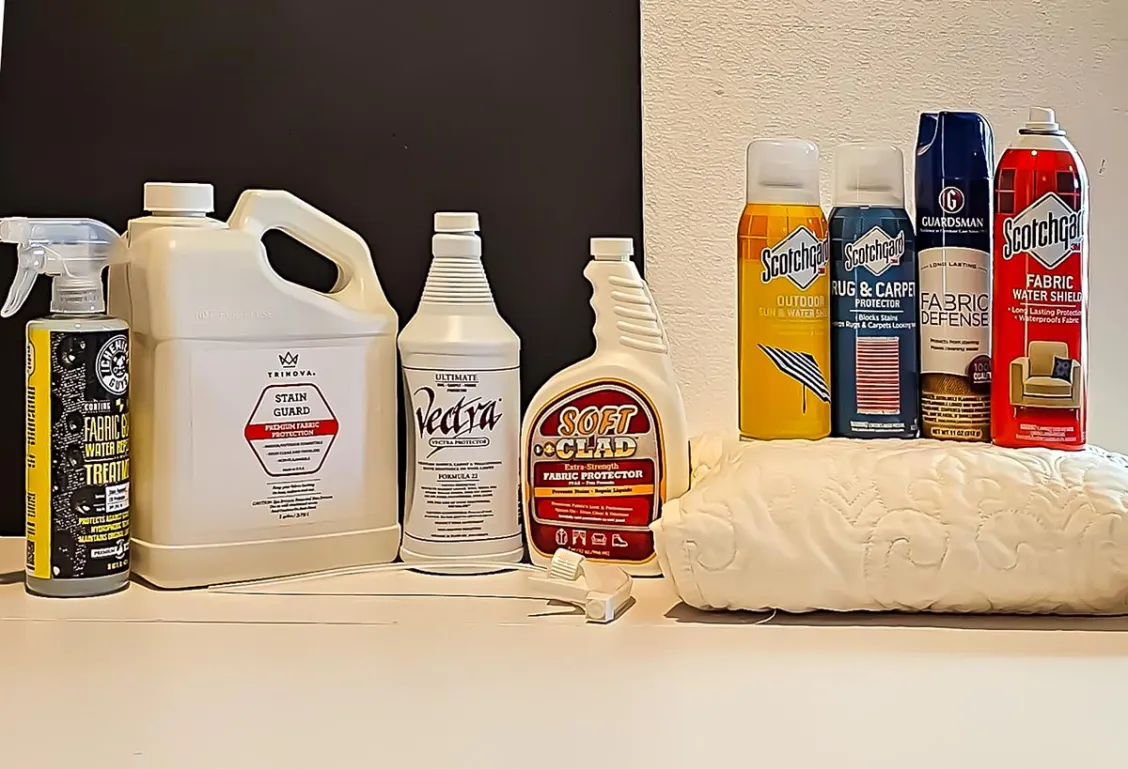
A fabric protector can sometimes help with spills, but it may change the feel or finish of microfiber and cannot make it invulnerable. Confirm compatibility before application. Our indoor fabric protector guide explains the important limitations. If you’re buying furniture rather than cleaning it, compare options in the pet-friendly sofas guide.
16. When Professional Cleaning Is the Better Choice
Professional help is sensible when the care code is missing, widespread grime or body oil affects whole panels, a liquid has soaked deep into cushions, or a previous home treatment left a persistent halo. Valuable, antique, fragile, or dye-sensitive upholstery deserves extra caution.
Ask the service provider how they identify fabric types, perform test patches, select chemicals, handle old cleaning residues, and dry cushions. Share exactly what products you already applied. Sometimes a mark is wear, dye loss, or a damaged finish rather than removable soil; a reputable cleaner should say when restoration is unrealistic.
Frequently Asked Questions
Can I clean a microfiber couch with water?
Only if its care instructions permit water-based treatment, generally code W or W/S. Use an approved cleaner and avoid soaking the padding.
Why did my microfiber couch develop a water ring?
Moisture may move soil or cleaner to the drying edge, creating a halo. Pile direction, product residue, and dye changes can also contribute.
Is rubbing alcohol safe for every microfiber sofa?
No. Even solvent-coded fabrics may have sensitive dyes or finishes. Use only a solvent specifically approved by your sofa manufacturer.
Can I use a carpet cleaner or steamer?
Only if the furniture manufacturer specifically allows that machine and method. A W code alone does not automatically authorize extraction or steam.
How do I clean microfiber without leaving marks?
Vacuum first, patch-test, follow the cleaning code, blot rather than scrub, use little product, and allow thorough drying.
Are removable microfiber cushion covers machine washable?
Not automatically. Zippers do not prove washability. Follow the care instructions for the individual cover and sofa construction.
How can I remove dog or cat hair?
Start with a suitable vacuum upholstery attachment, paying attention to seams. Use gentle fabric-safe tools only when the manufacturer permits them.
What if my microfiber couch has no tag?
Stick to dry vacuuming while identifying the manufacturer and care instructions. Avoid choosing a solvent or water treatment on a guess.
How often should I deep clean it?
There is no fixed rule. Vacuum routinely and assess deep cleaning according to use, soil buildup, and the manufacturer’s instructions.
Are microfiber and genuine suede the same thing?
No. Microsuede is generally a synthetic fabric with a suede-like finish; genuine suede is leather and can require different care.
Final Thoughts
The most effective microfiber couch cleaning method is not a magic recipe. It is a sequence: identify the fabric and cleaning code, remove dry debris, test an approved method, treat a stain gently, and let the upholstery dry completely. That process protects both the appearance of the nap and the materials hidden inside the cushions.
A water ring, persistent odor, or shiny patch is a reason to investigate before applying more product. With regular vacuuming, prompt spill care, and sensible professional help when needed, your sofa can remain comfortable and presentable without risky experimentation.
Editorial Sources and Research Transparency
This article is an evidence-informed editorial guide, not a claim of hands-on comparative cleaning trials. The care-code recommendations are supported by industry references and manufacturer-facing instructions: