
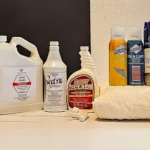
The Ultimate Guide to Carpet & Rug Protector Sprays: Benefits, Buying Tips & Best Products
July 4, 2026How to Clean a Microfiber Couch Without Water Rings: Complete Care Guide
November 13, 2026
Your fabric couch might be the most frequently used piece of furniture in your home. It is where you relax after work, watch movies, share a morning coffee, and occasionally make room for a muddy-pawed pet. Unfortunately, everyday use brings dust, crumbs, body oils, spills, and stubborn stains.
Over time, even a beautiful sofa can start looking tired or developing dark patches around the armrests and cushions. The good news is that many fabric couches can be cleaned at home without expensive equipment. The secret is understanding the upholstery material, choosing the correct cleaning method, and avoiding common mistakes that may permanently damage it.
This step-by-step guide explains upholstery cleaning codes, essential supplies, safe stain-removal techniques, and maintenance routines for US homeowners, renters, and pet owners.
1. Check Your Couch’s Cleaning Code Before You Start
Before reaching for soap, water, or a stain remover, find the manufacturer’s upholstery care label. This small tag is often beneath the cushions, along the underside of the sofa, or inside a cushion seam. The label tells you which cleaning methods suit your furniture. Ignoring it may cause shrinking, discoloration, water rings, or damage to the upholstery backing.
Understanding Upholstery Cleaning Codes
Important: Code W does not mean cushion covers are machine washable. Similarly, W/S does not automatically mean steam cleaning is safe. If the code is missing, contact the manufacturer or a qualified upholstery professional before wet cleaning.
Why a Patch Test Matters
Even an upholstery product that matches the care code should be tested on a hidden area first. Choose the back or underside of a cushion, apply a small amount as directed, and allow it to dry fully. Check for color transfer, fading, texture changes, or water rings. Proceed only when the test shows no damage.
2. Gather the Right Couch Cleaning Supplies
You rarely need a complex cleaning kit for ordinary maintenance. Start with a vacuum fitted with an upholstery attachment, microfiber cloths, clean white towels, a soft upholstery brush, and a fabric-compatible cleaner. A small fan can help improve airflow during drying.
- Vacuum with upholstery attachment: Lifts dust, hair, crumbs, and other surface debris.
- Microfiber cloths: Useful for blotting spills and applying approved cleaning solutions.
- Soft upholstery brush: Loosens dry debris without harsh abrasion when suitable for the fabric.
- White absorbent towels: Help absorb liquids without transferring colored dyes.
- Approved upholstery cleaner: Must match the manufacturer’s cleaning code and product instructions.
- Fan and ventilation: Encourage more complete drying after cleaning.
Avoid assuming everyday household products such as dish soap, vinegar, baking soda, or hydrogen peroxide are harmless to upholstery. They can discolor fibers, leave residues, or damage finishes. An extractor can be useful on manufacturer-approved fabrics, but water-compatible cleaning codes alone do not authorize hot-water extraction.
3. How to Clean a Fabric Couch Step by Step
The following routine applies to many water-compatible sofas when their manufacturers explicitly permit water-based cleaning. For code S or X furniture, skip wet-cleaning steps and follow the appropriate care instructions instead.
Step 1: Remove Cushions and Loose Items
Take away throws, decorative pillows, and removable seat cushions. Look between the seats for coins, crumbs, pet toys, and other debris. Inspect both sides of cushions and the areas beside armrests. Preparing the furniture first helps you avoid cleaning dirt into seams or leaving missed spots.
Step 2: Vacuum Thoroughly
Use an upholstery attachment over the seats, backrest, arms, and exposed upholstered frame. Move slowly so the vacuum can pull dirt from the weave. Clean seams, corners, and cushion gaps with a crevice attachment. If pet hair is trapped in the fabric, use a suitable upholstery tool rather than scraping with a sharp object.
Expert tip: Vacuum before applying moisture. Wetting loose debris can turn it into a muddy residue that is harder to lift.
Step 3: Identify and Pre-Treat Stains
Check for coffee spills, food marks, oily patches, pet accidents, or darkened armrests. Treat stains according to their cause and your sofa’s cleaning code. For compatible upholstery, put an approved cleaner on a clean white cloth rather than pouring it onto the fabric. Work gently from the outside of the stain toward the center to reduce spreading.
Step 4: Clean the Upholstery Surface
Apply the approved cleaning product exactly as directed. Clean manageable sections using the smallest practical amount, avoiding saturation. Some products require blotting; others use foam, limited agitation, or vacuuming after drying. There is no universal solution that works for every couch, so the manufacturer’s instructions take priority.
Step 5: Remove Residue Correctly
If the cleaner’s directions require residue removal, use the specified method. Some water-compatible fabrics permit careful blotting with a barely damp cloth, while others do not. Avoid repeated rinsing or soaking: trapped moisture can affect padding and create persistent odors.
Step 6: Dry the Couch Completely
Improve airflow with a fan and open windows when conditions permit. Keep cushions separated and out of use until both surface and filling are completely dry. Drying time depends on humidity, room temperature, fabric thickness, and the moisture applied. Do not rely on an arbitrary number of hours; inspect the upholstery carefully before sitting or replacing cushions.
4. How to Remove Common Fabric Couch Stains
Stains vary, so the appropriate cleaner must match both the stain and the fabric. In every case, check the care label and test any approved product on a hidden area first.
Coffee and Tea
Blot a fresh spill immediately with a white absorbent towel. Avoid rubbing or spreading liquid outward. Where water-based cleaning is allowed, use a compatible upholstery stain remover, working gently inward. Do not pour hot water onto the stain or repeatedly soak the cushion.
Grease and Oil
Carefully lift solid residue without pushing it into the fibers, then blot any remaining oil. Choose a cleaner specifically approved for oily upholstery stains and compatible with the fabric’s cleaning code. Household degreasers may strip finishes or leave residues, so they should not be used without manufacturer approval.
Pet Urine and Accidents
Act quickly because liquid can reach the cushion filling. Blot with clean absorbent towels, then use a pet-stain treatment only if it is expressly suitable for your upholstery. An enzymatic cleaner may help with certain organic odors, but compatibility varies. If urine has soaked deeply into the foam, surface treatment may not remove the smell; professional treatment or cushion replacement may be necessary.
Safety note: Never mix cleaning chemicals, particularly bleach with ammonia-containing or acidic cleaners.
Food and Chocolate
Lift away food with a spoon or another blunt tool, taking care not to grind crumbs into the fabric. Blot any liquid and apply an approved upholstery cleaner if permitted. Chocolate combines fats and pigments, so stains may need a formulation suitable for both. Resist the urge to scrub stubborn areas.
Water Rings
Water rings may form as unevenly drying moisture moves residue across the upholstery. Repeatedly wetting the ring can enlarge it. Check the care label and seek manufacturer guidance when the cause is unclear; a professional cleaner may be able to treat the whole affected panel more evenly.
5. Cleaning Different Upholstery Fabrics
Polyester Sofas
Polyester is common in contemporary upholstery because it can be durable and relatively manageable. Many polyester couches permit water-based spot cleaning, but the label still controls. Vacuum regularly, treat spills promptly, and avoid aggressive brushing or excessive heat.
Microfiber Sofas
Microfiber can hold dust, pet hair, and oily marks in its tightly woven surface. Some microfiber uses solvent-only care, while other varieties permit water-based methods. Never assume all microfiber couches share the same cleaning code. If the manufacturer recommends it, a gentle brush can help restore texture once dry.
Velvet Sofas
Velvet’s raised pile may flatten, mark, or change sheen under friction and moisture. Avoid strong scrubbing, heavy pressure, and unnecessary wetting. Some velvet is best professionally cleaned. For routine care, use only a suitable soft brush or upholstery attachment.
Cotton and Linen Sofas
Natural fibers can be vulnerable to shrinking, dye transfer, and water marks. Even if the material feels sturdy, the construction and dye matter. Follow the care code, test any product first, and avoid saturating the surface. Particularly delicate linen blends may require professional attention.
Performance Fabrics
Performance fabrics often emphasize stain resistance or durability, but they are not automatically waterproof or universally machine washable. Each manufacturer sets its own cleaning requirements. If you share your furniture with animals, our pet-friendly upholstery buying guide explains which fabric features may be easier to live with.
6. Can You Wash Couch Cushion Covers?
A zipper does not necessarily mean a cushion cover is machine washable. Some covers unzip for assembly or replacement rather than laundering. Check the sofa’s manual and any care labels on the cover. If machine washing is specifically allowed, follow the prescribed temperature, detergent, cycle, and drying instructions.
High heat or inappropriate laundering can cause shrinking, faded color, distorted seams, or covers that no longer fit their cushions. When washing is not permitted, use the manufacturer-approved spot-cleaning method instead.
7. Common Couch Cleaning Mistakes to Avoid
- Using too much water: Moisture may penetrate the padding, cause water rings, and create difficult drying conditions.
- Scrubbing aggressively: Strong friction can roughen fibers, flatten pile, and spread stains.
- Choosing the wrong cleaner: Carpet or general household products are not automatically safe for upholstery.
- Steam cleaning without permission: Heat and moisture may harm adhesives, finishes, and delicate fabrics even when W or W/S appears on a label.
- Combining cleaners: Chemical mixtures can create hazards and damage materials.
- Using the sofa before drying: Residual moisture may transfer to clothing or remain trapped in cushions.
When in doubt, stop and verify the correct method rather than trying progressively stronger cleaners.
8. How to Protect Your Couch After Cleaning
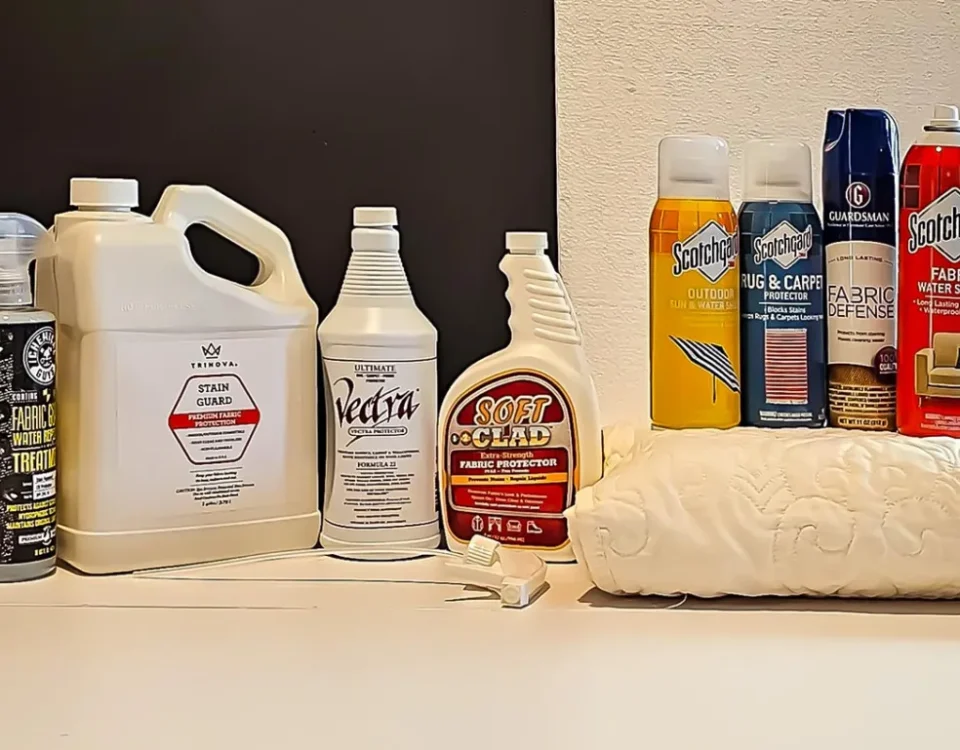
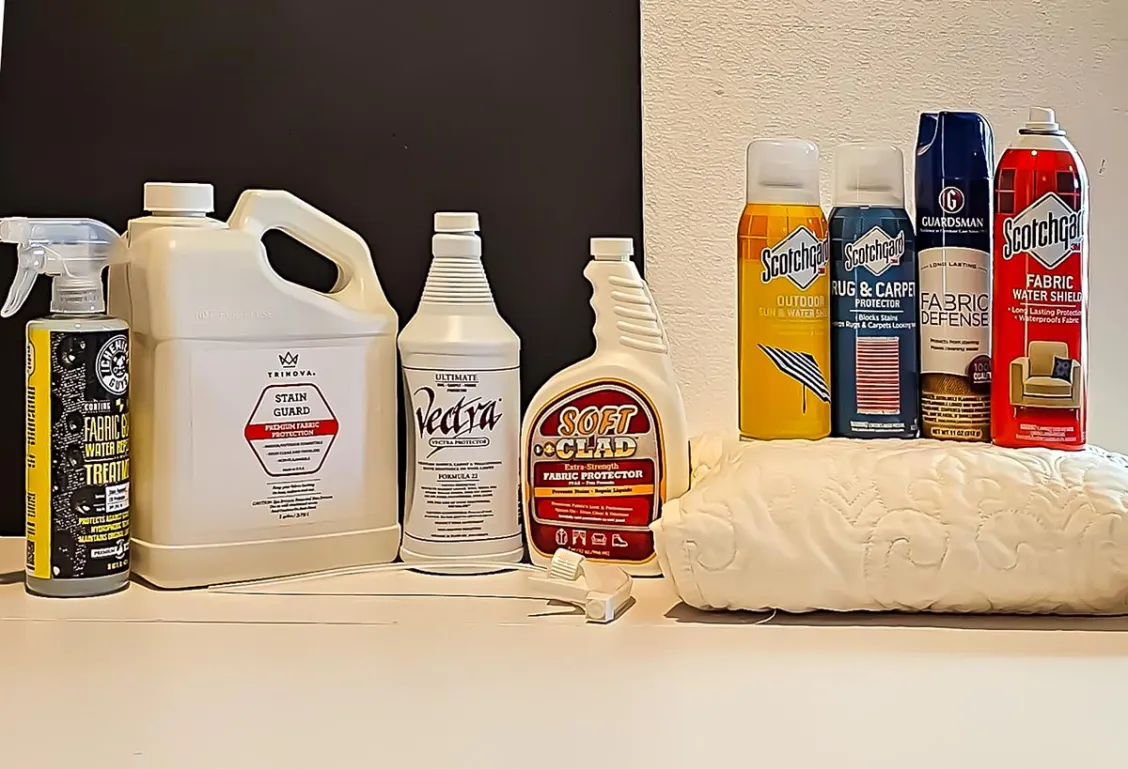
Cleaning removes existing dirt; prevention reduces the need for repeated deep cleaning. Consider a compatible fabric protector only if your sofa manufacturer approves it. Protective sprays may help repel some spills, but they do not make upholstery stain-proof and may be inappropriate for certain materials.
Always check chemical safety instructions, test an inconspicuous section, ventilate the area, and allow the treatment to dry as directed. Compare options in our guide to fabric protectors for indoor furniture.
- Keep drinks and messy foods away from delicate upholstery when practical.
- Use washable throws on high-contact seats.
- Rotate reversible cushions if the manufacturer allows.
- Vacuum regularly rather than waiting for visible dirt.
- Wipe muddy pet paws before they reach the sofa.
- Address accidental spills promptly, before residue dries.
For a broader look at materials and everyday maintenance in animal-friendly homes, explore our pet-friendly sofa guide.
9. How Often Should You Clean a Fabric Couch?
There is no universal cleaning timetable. A guest-room sofa receives less wear than a family-room couch shared by children and pets. Use the following schedule as a practical starting point, adjusting for traffic, allergies, pets, and the manufacturer’s recommendations.
These are housekeeping suggestions, not universal furniture-care requirements. To organize cleaning around other rooms, see our whole-home care system.
10. When to Hire a Professional Upholstery Cleaner
DIY care is often enough for light soil and minor spills. For difficult fabrics and problems deep inside the cushions, a trained professional can be a safer option.
- The fabric requires solvent-based specialist treatment or has no readable care code.
- Persistent smells remain after an appropriate cleaning attempt.
- A large spill has reached the inner cushion filling.
- The upholstery is antique, valuable, fragile, or visibly discolored.
- A previous treatment left marks or changed the fabric’s texture.
When selecting a cleaning service, ask about experience with your fabric type, proposed methods, spot testing, and drying conditions. Responsible professionals assess the upholstery before deciding on treatment.
Frequently Asked Questions
Get quick answers to common fabric couch cleaning questions. Select a question to expand its answer.
Can I clean my fabric couch with dish soap?
Only if the manufacturer permits that method. Dish soap can leave a residue, and some fabrics cannot tolerate water. A compatible upholstery cleaner is generally preferable.
Can baking soda remove odors from a fabric sofa?
Baking soda is a common household suggestion, but powder can become trapped in some weaves or padding. Do not apply it without checking the manufacturer’s guidance.
How can I clean a fabric couch without a machine?
Vacuum thoroughly, identify the cleaning code, and use the approved spot-cleaning method. Many couches need regular dry maintenance rather than machine extraction.
Can I use a carpet cleaner on my sofa?
Only if the manufacturer explicitly permits extraction and the machine is suitable for upholstery. Code W alone is not enough to establish compatibility.
How long does a fabric couch take to dry?
Drying depends on humidity, ventilation, material thickness, and cleaning method. Wait until the surface and padding are completely dry before using the sofa.
What is the safest way to clean an unknown fabric?
Begin with gentle vacuuming. Locate the sofa’s care instructions or contact the manufacturer before adding moisture, solvents, or household chemicals.
How do I keep a light-colored couch clean?
Remove crumbs regularly, blot new spills promptly, use washable throws, and consider only manufacturer-approved protective treatments.
Final Thoughts: Keep Your Couch Clean Without Damaging It
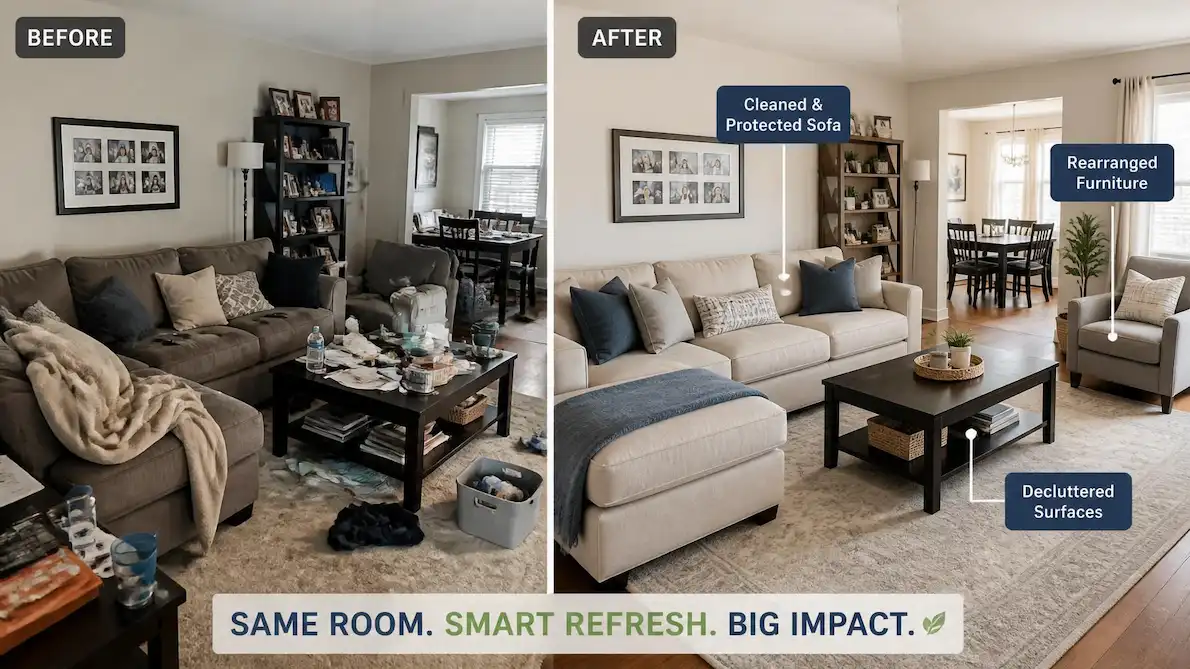
A clean couch can make your living room feel more welcoming, but safe care is not about using the strongest chemical or most powerful machine. Start with the upholstery cleaning code, vacuum carefully, test approved products, treat stains gently, and dry the furniture completely.
With steady maintenance and realistic stain prevention, your fabric sofa can remain attractive and comfortable for years. Explore our fabric stain protector guide to learn more about suitable treatments and everyday upholstery protection.