

The Ultimate Guide to Lounging Sofas Find Your Perfect Deep-Seat Comfort & Style
May 5, 2026
The Ultimate Loveseat Sleeper Sofa Buyer’s Guide: Top Picks & Expert Tips for Small Spaces
May 18, 2026
The Pet Owner’s Sofa Dilemma: Comfort, Style, and Furry Friends
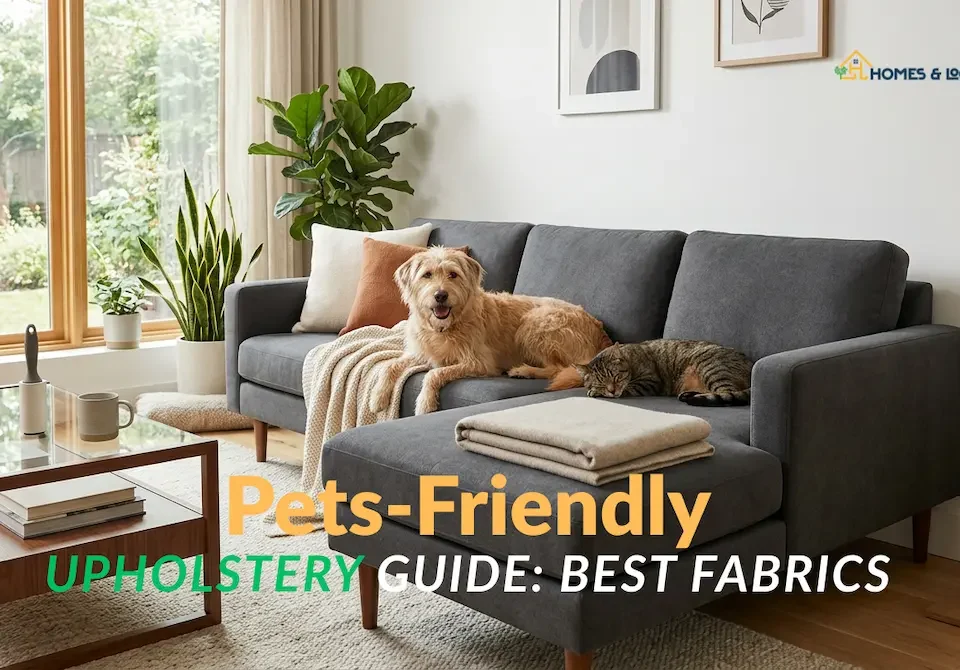
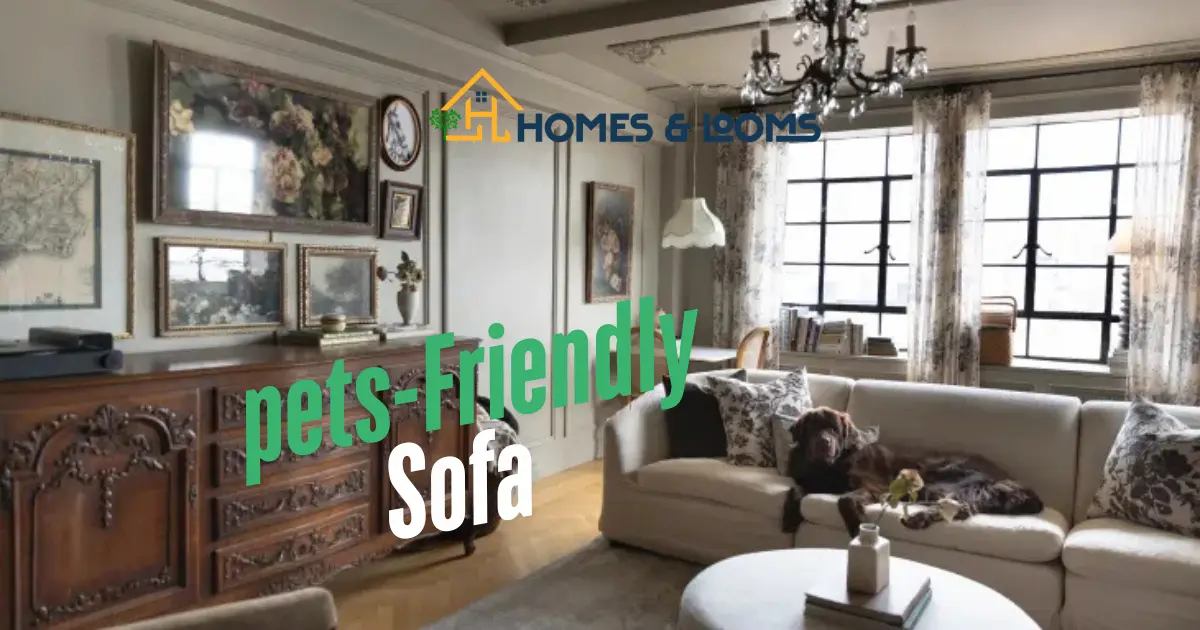
Few things make a house feel more like home than a beloved pet curled up on the sofa beside you. Whether it is a playful dog claiming the center cushion or a sleepy cat stretched across the armrest, pets naturally become part of everyday living. The problem is that the same sofa that creates comfort and connection can quickly become the center of frustration for pet owners.
One moment, your living room looks clean, stylish, and inviting. Next, it is covered in pet hair, scratched fabric, muddy paw prints, or mysterious stains that seem impossible to remove. Even the most carefully designed space can start to feel worn out when furniture is constantly under attack from claws, shedding, drool, and accidents. Many pet owners find themselves trapped between two choices: protect the furniture at all costs or accept that a beautiful sofa simply cannot survive life with pets.
That trade-off is exactly where most people get it wrong.
The real challenge is not choosing between pets and a stylish home. It is choosing furniture that was never designed for the reality of pet ownership in the first place. Too many people buy sofas based only on appearance, ignoring durability, fabric performance, cleaning requirements, and long-term maintenance. Then they wonder why the couch looks ruined after a year.
Pet owners also face constant daily annoyances that slowly turn into bigger problems. Pet hair sticks to certain fabrics and refuses to come off. Odors linger deep inside cushions. Scratches become more visible over time. One accidental spill or muddy paw jump can create permanent damage. On top of that, many “pet-friendly” sofas on the market sacrifice comfort or style, leaving homeowners feeling forced to settle for furniture that looks overly practical or unattractive.
The good news is that you do not have to compromise anymore.
A truly pet-friendly sofa can be durable, comfortable, easy to maintain, and stylish at the same time, if you know what to look for. The difference comes down to understanding the right materials, construction features, maintenance habits, and design choices that actually work in homes with pets.
This guide will help you avoid costly mistakes and make smarter furniture decisions that fit real life. You will learn how to choose sofa fabrics that resist stains and scratches, how to manage pet hair and odors more effectively, and how to maintain a clean, comfortable living space without constantly stressing over damage. More importantly, you will gain the confidence to create a home that works for both your lifestyle and your pets.
Living with animals should feel enjoyable, not like an endless battle against your furniture. With the right sofa and the right approach, it is possible to have a living room that stays stylish, welcoming, and genuinely practical for years to come.
Understanding “Pet-Friendly”: Key Criteria for Selection
What Truly Makes a Sofa Pet-Friendly?
Most people assume a pet-friendly sofa simply means buying darker fabric and hoping for the best. That is not a strategy. It is damage control. A genuinely pet-friendly sofa is designed to survive daily wear from claws, fur, spills, odors, and constant use without falling apart or looking worn within a year.
The mistake many homeowners make is focusing only on appearance during the buying process. A sofa may look luxurious in a showroom, but if the fabric snags easily, absorbs odors, or stains permanently after one accident, it becomes a bad investment the moment a pet jumps on it.
Choosing the right sofa requires understanding the features that actually matter in a pet-friendly home.
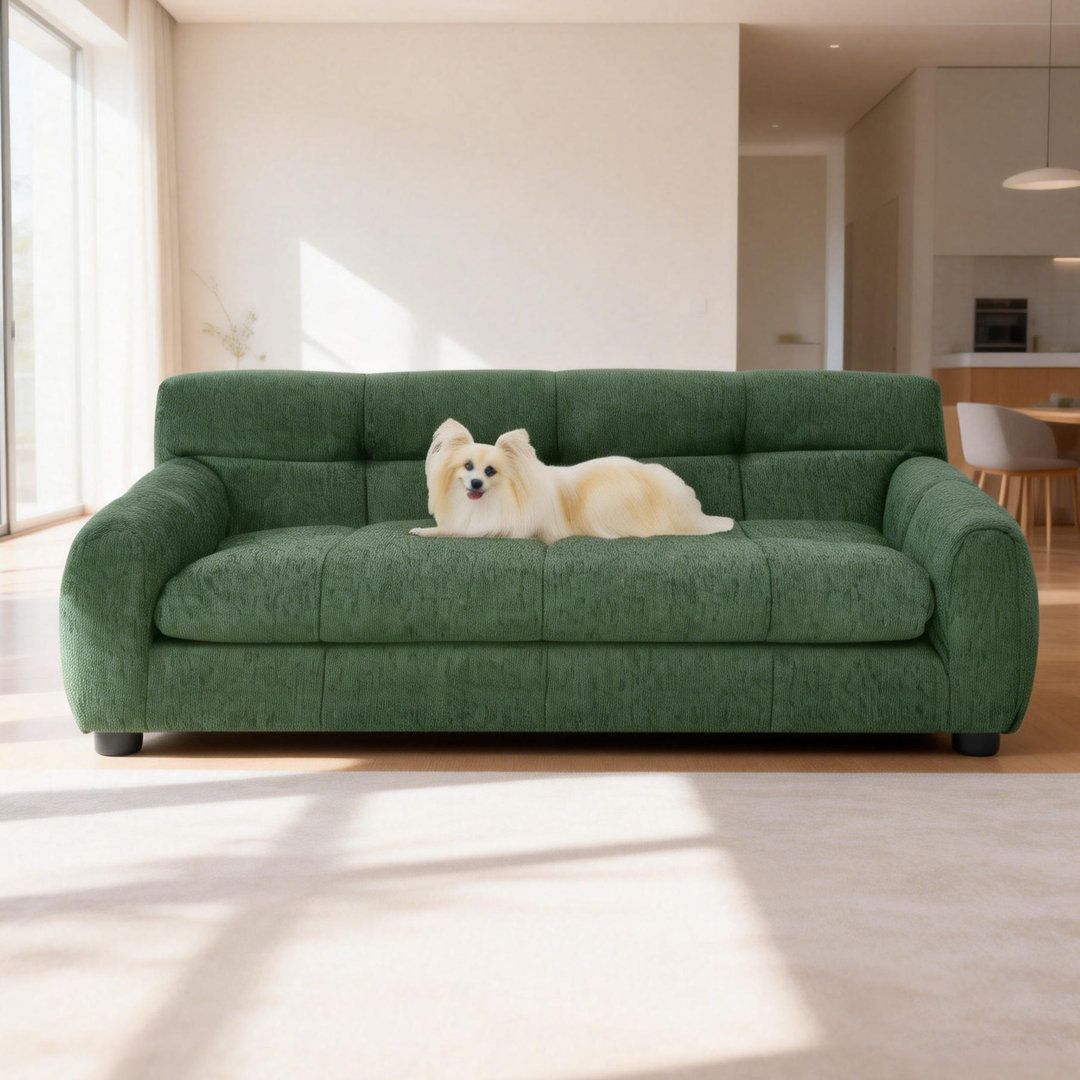
Durability and Scratch Resistance
Durability should be the priority, not an afterthought. Pets create constant friction on furniture through jumping, digging, scratching, and repeated movement. Weak fabrics and poorly constructed frames fail quickly under that pressure.
One of the most important indicators of fabric durability is the Martindale rub count, a standard test used in the furniture industry to measure abrasion resistance. For homes with pets and heavy daily use, fabrics with a Martindale rub count of 30,000 or higher are generally considered a safer choice. Lower-rated fabrics may feel soft initially, but they often show wear much faster in active households.
Performance fabrics are usually the smartest option for pet owners because they are engineered for high durability and easier maintenance. Tightly woven materials are especially important because loose weaves easily catch claws and develop pulls or tears over time. Fabrics like microfiber, tightly woven canvas, and certain synthetic blends tend to hold up better than delicate materials with open textures.
The frame matters just as much as the upholstery. Many inexpensive sofas use particleboard or low-quality engineered wood that weakens over time. Pets repeatedly jumping on furniture accelerates that breakdown. Hardwood frames, especially kiln-dried hardwood, provide better long-term strength and stability.
Cushion quality is another overlooked factor. Cheap cushions lose shape quickly, especially when pets claim the same spot every day. Dense foam cushions maintain support longer and reduce the sagging, uneven appearance common in heavily used sofas.
Ease of Cleaning and Stain Resistance
No matter how well-trained a pet is, accidents happen. Muddy paws, drool, urine accidents, vomit, and food spills become part of real-life pet ownership. If a sofa is difficult to clean, those small incidents turn into permanent damage surprisingly fast.
This is where stain resistance becomes critical.
Pet-friendly sofas should use fabrics that repel liquids instead of immediately absorbing them. Many modern performance materials are designed with built-in moisture resistance, allowing spills to sit on the surface briefly instead of soaking deep into the fibers. That extra time makes cleaning far easier and prevents long-term staining.
Spot cleaning should also be simple. Some fabrics require specialized products or professional treatment after every spill, which becomes expensive and unrealistic for pet owners. Materials that tolerate mild soap-and-water cleaning are far more practical for daily life.
Removable and washable covers add another layer of protection. Being able to unzip and wash covers regularly prevents buildup from hair, dirt, oils, and odors. This feature becomes especially valuable in homes with multiple pets or shedding breeds.
A beautiful sofa that cannot survive a single accident is not luxury. It is fragile furniture pretending to be functional.
Odor Resistance and Management
Pet odors are one of the biggest problems that homeowners underestimate. Hair, saliva, moisture, and accidents slowly settle into fabric and cushions, creating smells that regular air fresheners cannot fix.
Some materials trap odors far more aggressively than others. Thick absorbent fabrics, low-quality foam, and poorly ventilated cushions tend to hold smells longer. Leather and tightly woven synthetic fabrics generally resist odor absorption better because they are less porous.
Regular maintenance also matters. Vacuuming, airing out cushions, and cleaning spills immediately prevent odor buildup before it becomes deeply embedded.
For tougher situations, enzyme-based cleaners are far more effective than standard cleaning sprays. Instead of masking smells, enzyme cleaners break down the organic molecules responsible for odors from urine, vomit, and pet accidents. That distinction matters because covering odors temporarily does not solve the underlying problem.
Ventilation is another factor people ignore. A closed room with trapped pet odors will eventually affect even high-quality furniture. Proper airflow and consistent cleaning habits significantly extend the freshness of both the sofa and the entire living space.
Pet Safety and Non-Toxic Materials
Many buyers focus so heavily on protecting the sofa that they ignore whether the sofa is safe for the pet itself.
Certain chemical treatments, adhesives, flame retardants, and dyes used in low-quality furniture may expose pets to harmful substances over time, especially animals that lick, chew, or spend hours sleeping on the couch daily. Choosing furniture made with safer, certified materials reduces unnecessary risks.
Chewers create another practical concern. Decorative buttons, loose trim, exposed staples, or detachable parts can become dangerous if swallowed. Sofas with simpler, sturdier construction are usually safer in pet households.
This is one area where extremely cheap furniture often creates hidden problems. Lower manufacturing standards usually mean lower-quality materials and weaker construction overall.
Comfort for Both Humans and Pets
Durability alone is not enough. A sofa should still feel comfortable and inviting.
Some pet owners overcorrect by choosing furniture that feels stiff, overly industrial, or uncomfortable simply because it seems “tough.” The result is furniture nobody actually enjoys using.
The best pet-friendly sofas balance resilience with comfort. Supportive cushions, soft but durable upholstery, and enough space for both humans and pets create a living area that feels functional instead of restrictive.
Pets also have preferences. Some animals prefer firm surfaces for support, while others gravitate toward plush, deep cushions. Understanding your pet’s habits helps you choose a design that works long term instead of constantly fighting against how your animal naturally behaves.
Aesthetic Appeal Without Sacrificing Practicality
One of the biggest myths in furniture shopping is that pet-friendly sofas must look plain, bulky, or unattractive. That assumption causes many homeowners to choose style over practicality and regret it later.
Modern performance fabrics and durable upholstery options now come in designs that look sophisticated while still handling the realities of pet ownership. The key is making strategic design choices instead of purely emotional ones.
Color selection matters more than people realize. Light-colored sofas in homes with dark-shedding pets create a constant cleaning battle. Extremely dark fabrics can show dust, scratches, and light fur just as badly. Choosing tones closer to your pet’s coat color helps camouflage shedding between cleanings.
Patterns and textured fabrics can also hide small stains, fur, and wear far more effectively than solid flat surfaces. This does not mean sacrificing design quality. It means understanding how furniture actually functions in daily life.
The most successful pet-friendly living rooms are not built around perfection. They are built around smart decisions that allow comfort, style, and practicality to exist together without constant stress.
Best Pet-Friendly Sofa Materials: A Detailed Breakdown
Most sofa damage in pet-friendly homes happens because people choose fabric based on appearance instead of performance. A fabric may feel soft in a showroom or look impressive online, but once claws, fur, drool, mud, and daily wear enter the equation, the wrong material becomes a constant source of frustration.
The reality is simple: some fabrics are built to survive pet ownership, while others fail almost immediately under real-life conditions.
Understanding the strengths and weaknesses of each material helps you avoid expensive mistakes and choose a sofa that stays functional long after the excitement of buying it fades.
Performance Fabrics (Crypton, Sunbrella, and Similar Materials)
Performance fabrics have become one of the strongest options for pet owners because they are specifically engineered to handle heavy use, moisture, stains, and odors. Unlike traditional upholstery, these fabrics are designed with protective technology built directly into the fibers rather than relying only on temporary surface sprays.
One of the biggest advantages is liquid resistance. Instead of immediately soaking into the fabric, spills often bead up on the surface, giving homeowners time to wipe them away before staining occurs. Many performance fabrics also include antimicrobial protection that helps reduce odor-causing bacteria and mold growth inside the upholstery.
For homes with dogs, cats, or multiple pets, this matters more than most buyers realize. Daily exposure to saliva, wet paws, oils, and occasional accidents slowly destroys untreated fabrics over time.
Performance fabrics also tend to score extremely high in abrasion resistance testing, making them ideal for high-traffic households. Many are even bleach-cleanable, which dramatically simplifies maintenance after serious stains.
The downside is cost. High-quality performance upholstery is usually more expensive upfront. Some homeowners also assume these fabrics look overly commercial or lack style, although modern options have improved significantly in texture, color, and design variety.
From a long-term perspective, though, performance fabrics often save money because they resist damage that would quickly ruin cheaper alternatives.
Microfiber and Microsuede
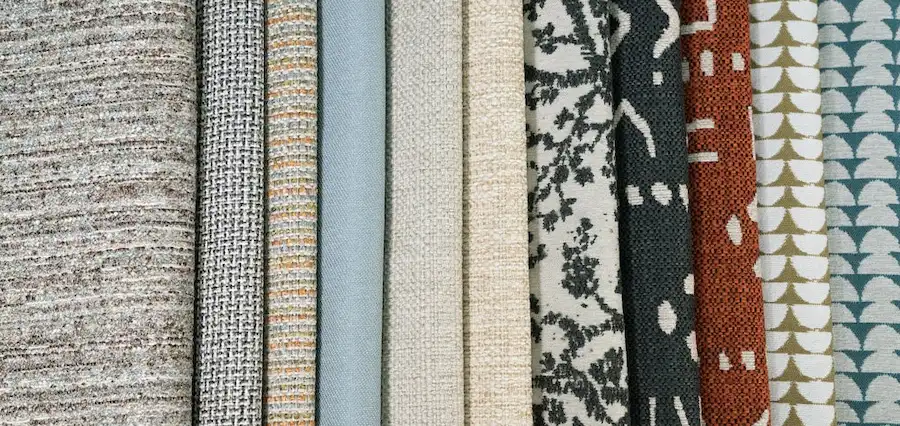
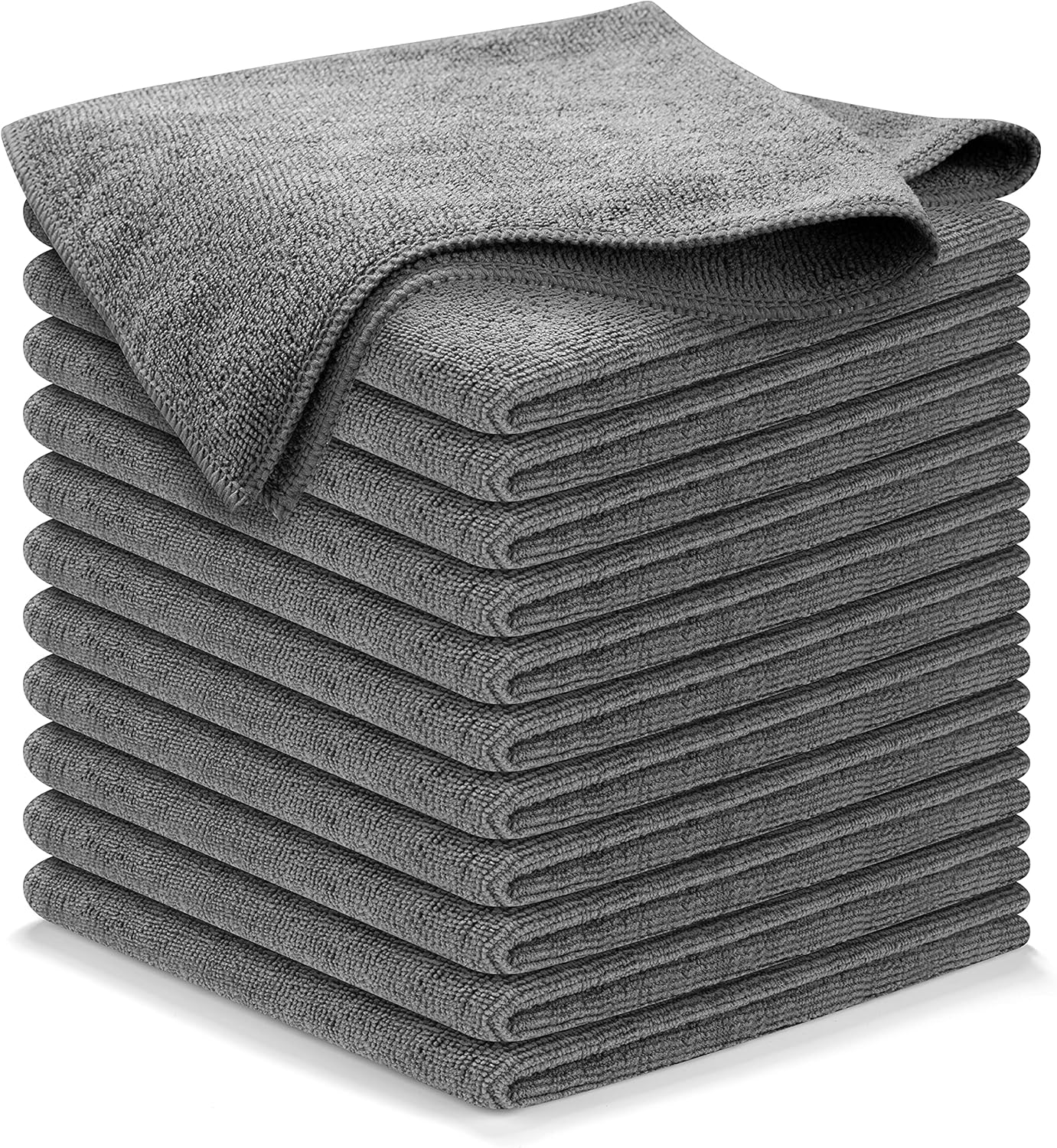
Microfiber remains one of the most practical choices for pet owners because of its tightly woven structure. The fibers are packed closely together, making it harder for claws to snag the material and easier to clean up fur, dirt, and spills.
Another major advantage is that pet hair does not embed deeply into the fabric the way it often does with textured upholstery. In many cases, a quick vacuum or lint roller removes most visible hair without much effort.
High-quality microfiber also balances softness and durability surprisingly well. It feels comfortable enough for everyday use while still handling active pets better than many decorative fabrics.
However, not all microfiber is created equally. Lower-quality versions tend to pill, flatten, or wear unevenly over time. Cheap microfiber may initially look attractive because of its lower price, but it often loses appearance and texture much faster.
Some microfiber fabrics can also create static buildup, which attracts hair and dust more aggressively in dry environments.
For pet owners considering microfiber, quality matters far more than marketing labels. A durable, tightly woven microfiber will outperform many trendier materials in real-world use.
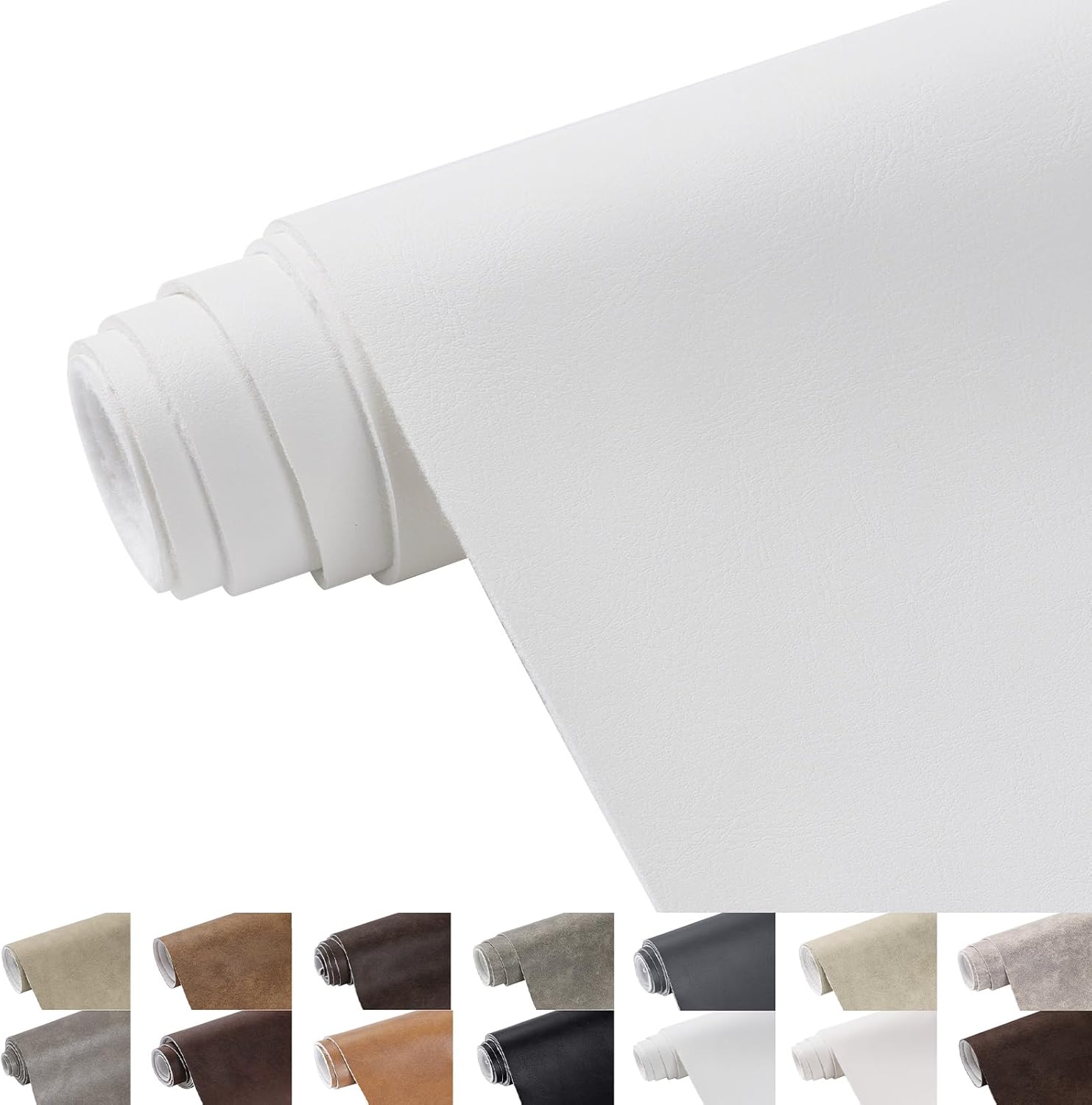
Leather and Faux Leather
Leather creates divided opinions among pet owners because it performs exceptionally well in some areas and poorly in others.
One of its biggest strengths is easy cleaning. Pet hair sits on the surface rather than embedding into fibers, making it simple to wipe away. Odors also tend to absorb less into leather compared to many fabric sofas.
Real leather develops character over time, often aging better visually than synthetic upholstery. Minor wear can blend naturally into the material’s patina, especially on distressed or textured leather finishes.
The problem is scratching.
Cats and dogs with sharp claws can leave visible marks, especially on softer leather types. Smooth, polished leather often shows scratches more clearly than textured or distressed finishes. Full-grain leather typically handles wear better than bonded or low-grade leather, but it is also significantly more expensive.
Faux leather introduces another issue: inconsistency. High-end faux leather can perform reasonably well, while cheap versions crack, peel, and deteriorate quickly under constant use.
Temperature comfort is another factor buyers overlook. Leather can feel hot in summer and cold in winter, which some pets and owners dislike.
Real-World Wear Comparison: Leather Types and Pet Damage
Different leather finishes react differently to pet wear:
- Protected leather: More resistant to stains and scratches because of its protective coating.
- Full-grain leather: Durable and ages naturally, but visible scratches may still occur.
- Aniline leather: Luxurious appearance but highly vulnerable to stains and claw marks.
- Distressed leather: Often hides scratches better because imperfections blend into the design.
Many homeowners buy delicate leather for appearance alone, then panic when the first scratch appears. That is a purchasing mistake, not a leather failure.
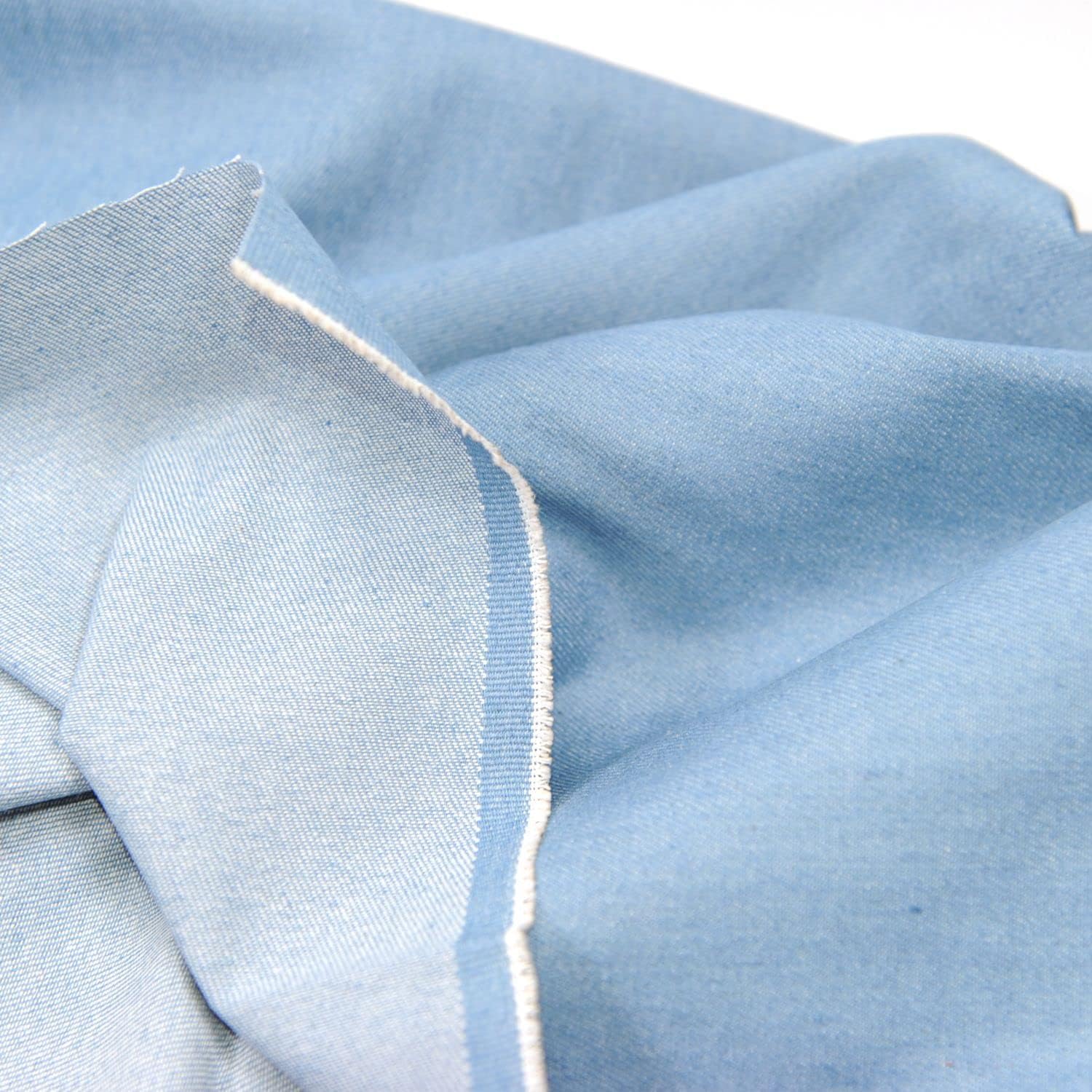
Denim and Canvas
Denim and canvas are underrated choices for pet-friendly households because they prioritize durability over luxury aesthetics.
These materials are heavily woven and resistant to tearing, making them especially useful for larger dogs or highly active pets. Slipcovered canvas sofas are particularly practical because covers can often be removed and machine-washed.
This style works best in casual, relaxed homes rather than highly formal interiors. The texture can feel stiffer compared to plush upholstery, and color choices are usually more limited.
Still, from a functional standpoint, canvas and denim often outperform trend-driven fabrics that look impressive initially but wear poorly under pet use.
Velvet (Especially Performance Velvet)
Traditional velvet used to be considered risky for pet owners, but performance velvet has changed that perception.
High-quality performance velvet is tightly woven, which helps resist snagging and makes pet hair easier to remove than many people expect. In some cases, velvet can actually hide shedding surprisingly well because of the way light interacts with the fabric's texture.
Performance-treated velvet also offers better stain resistance than traditional velvet upholstery, making it more practical for households with pets.
The mistake buyers make is assuming all velvet performs equally. Traditional delicate velvet stains easily, crushes under pressure, and requires far more maintenance. Performance velvet, on the other hand, is specifically engineered for heavier use.
For homeowners who want a more luxurious look without completely sacrificing practicality, performance velvet can be one of the smarter compromises available.
Tightly Woven Synthetic Fabrics (Polyester and Nylon Blends)
Synthetic blends are widely used in pet-friendly furniture because they balance affordability, durability, and stain resistance reasonably well.
Polyester and nylon blends can withstand heavy use, especially when tightly woven and treated with protective finishes. They are often easier to clean than natural fibers and resist fading better in sunny rooms.
The problem again comes down to quality differences.
Cheap synthetic fabrics may feel rough, trap heat, or wear unevenly. Better-quality synthetics can closely mimic the appearance and comfort of more expensive upholstery while still handling pets effectively.
For budget-conscious buyers, high-quality synthetic blends often provide the best balance between performance and affordability.
Fabrics to Avoid in Pet-Friendly Homes
Some fabrics simply do not belong in homes with pets, regardless of how attractive they appear.
Loose Weaves (Bouclé and Linen Blends)
Loose-woven fabrics are extremely vulnerable to claws. Cats, especially,y can pull threads easily, creating visible snags and unraveling sections surprisingly fast.
Bouclé may dominate furniture trends, but in active pet households, it often becomes a maintenance nightmare.
Silk and Chenille
These fabrics prioritize softness and luxury over durability. They stain easily, absorb odors quickly, and require delicate cleaning methods that are unrealistic for homes with pets.
Wool
Wool naturally traps hair and odors more than many synthetic alternatives. Cleaning pet stains from wool upholstery is also significantly harder, especially if moisture penetrates deeply into the fibers.
Behind the Fabric: Expert Upholstery Insight
According to many upholstery specialists, weave structure matters just as much as fiber type.
A tightly woven fabric creates less space for claws, dirt, and hair to penetrate, which improves both durability and maintenance. Furniture professionals also emphasize that buyers often focus too heavily on softness during showroom testing while ignoring abrasion resistance ratings and cleanability.
Textile experts consistently point to three major factors when evaluating pet-friendly upholstery:
- Tight weave construction
- High abrasion resistance ratings
- Built-in stain and moisture protection
Those three features matter more in daily life than marketing buzzwords or trendy fabric names.
The uncomfortable truth is that many “luxury” sofas are designed to look beautiful under perfect conditions, not survive real homes with pets, children, and everyday use. Smart buyers stop shopping emotionally and start evaluating upholstery like a long-term investment.
Best Recommended Sofa Materials & Fabrics
Types of Pet-Friendly Sofas: What Design Works Best?
Most people focus heavily on fabric when shopping for a pet-friendly sofa, but the design and construction of the sofa matter just as much. A durable material alone will not solve problems caused by poor structure, difficult maintenance, or impractical layouts.
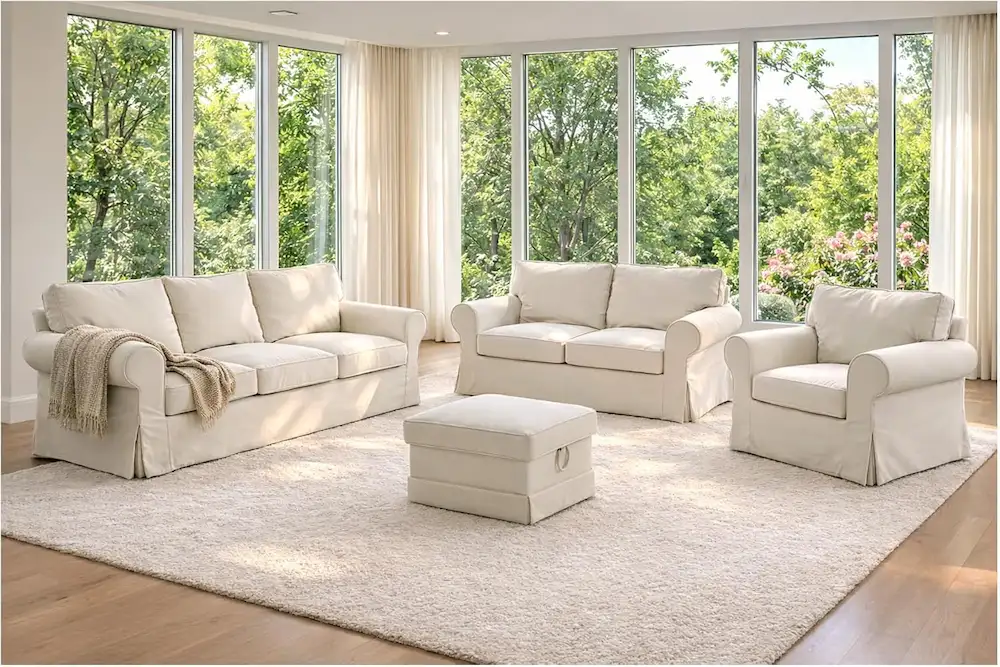
Slipcovered Sofas
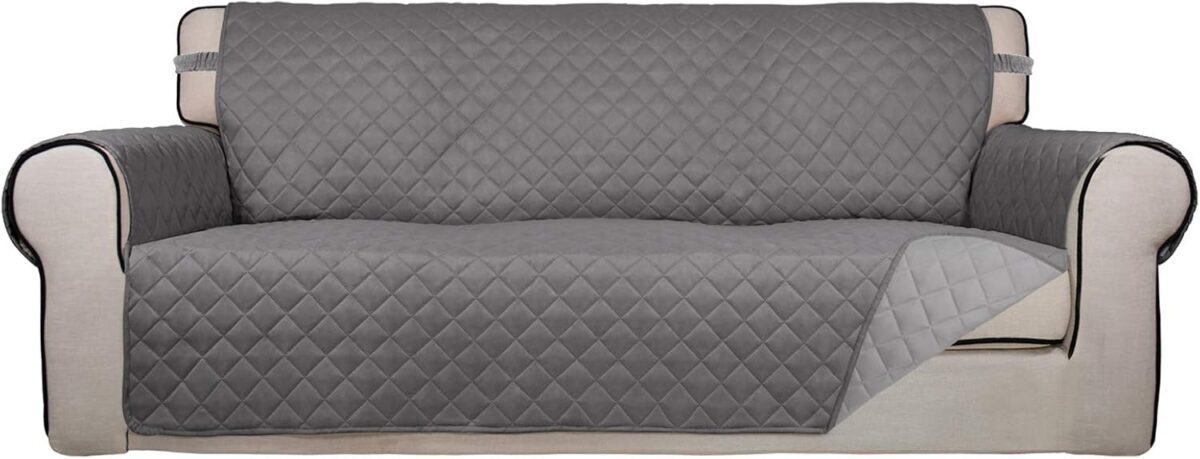
Slipcovered sofas remain one of the smartest choices for pet owners because they solve one major problem directly: cleaning.
Instead of treating stains or odors on fixed upholstery, removable covers allow homeowners to unzip, wash, and refresh the sofa much more easily. This becomes especially valuable in homes with shedding dogs, muddy paws, or pets that frequently lounge on the furniture.
Another advantage is flexibility. If a cover becomes heavily damaged or worn, replacing the slipcover is often far cheaper than replacing the entire sofa. Some homeowners even rotate different covers seasonally or use darker covers during periods of heavy shedding.
The downside is appearance.
Poorly fitted slipcovers can look wrinkled, loose, or constantly out of place. Lower-quality designs also shift around frequently, especially in homes with active pets jumping on and off the sofa throughout the day.
That said, modern slipcovered sofas have improved significantly in terms of tailoring and design quality. The key is avoiding cheap, oversized covers that prioritize convenience over fit.
A removable, machine-washable cover is not a luxury feature for pet owners. It is practical protection against real-life messes that eventually happen in every pet household.
The reality is that some sofa designs naturally work better in homes with pets because they make cleaning easier, distribute wear more evenly, and adapt better to daily life. Others may look stylish in staged showrooms, but quickly become frustrating once fur, scratches, toys, and accidents become part of the equation.
Choosing the right sofa style is less about trends and more about understanding how pets actually interact with furniture every day.
Sofas with Elevated Legs
One of the most overlooked features in pet-friendly furniture is clearance underneath the sofa.
Sofas with elevated legs make cleaning dramatically easier because vacuuming underneath becomes simple instead of requiring heavy lifting and constant effort. Pet hair, dust, toys, and food crumbs naturally collect under furniture over time, and low-profile sofas often turn that space into a hidden mess.
Elevated sofas also discourage some pets from crawling underneath and creating nesting areas filled with fur and dirt.
From a hygiene perspective alone, this design makes regular maintenance more manageable.
However, exposed wooden legs can become scratching targets for certain cats. Thin or delicate legs may also weaken over time if large dogs repeatedly jump against the frame.
The ideal balance is sturdy, durable legs with enough clearance for cleaning but strong enough to handle daily movement and activity.
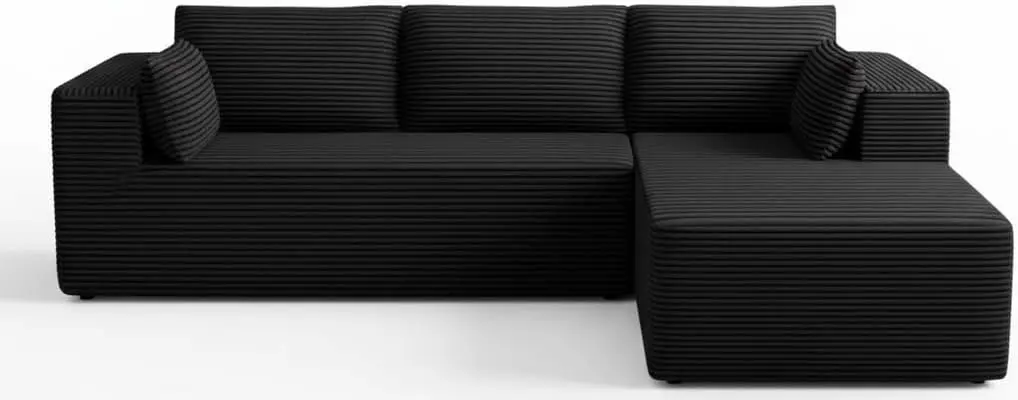
Sofas with Tight Weaves and Flat Surfaces
Texture may look attractive in furniture showrooms, but heavily textured sofas often create problems for pet owners.
Flat, tightly woven surfaces are generally easier to maintain because claws are less likely to snag the fabric. Pet hair also sits closer to the surface instead of becoming trapped deep inside textured fibers.
This design reduces one of the biggest frustrations pet owners face: spending excessive time trying to remove embedded fur from decorative fabrics.
Smooth upholstery also makes vacuuming faster and more effective.
The trade-off is comfort perception. Some people associate heavily textured fabrics with warmth and coziness, while flatter surfaces can feel firmer or less plush initially.
Still, practicality matters more over time. Many textured sofas look inviting during the first few months, but become visibly worn much faster in homes with pets.
Reversible Cushions
Reversible cushions are one of the simplest features that significantly extend sofa lifespan, yet many buyers overlook them completely.
Pets rarely distribute wear evenly. They tend to claim specific spots repeatedly, which creates sagging, flattening, and visible discoloration over time. Reversible cushions allow homeowners to rotate and flip sections regularly, helping the sofa maintain a more balanced appearance.
This feature also helps hide minor scratches, stains, or wear temporarily by turning damaged areas downward or rotating cushions between sections.
Fixed cushions may look cleaner and more modern visually, but once damage appears, there is no flexibility to manage uneven wear.
For pet households, removable and reversible cushions are usually the more practical long-term choice.
Sofa Fillings: What Works Best for Pet Owners?
Most buyers pay attention to fabric but ignore cushion filling, which is a mistake because filling directly affects durability, hygiene, and maintenance.
High-Density Foam
High-density foam is generally the strongest option for pet-friendly homes because it maintains shape longer and resists deep sagging. It also creates fewer soft pockets where dirt, fur, and dander collect over time.
Firm supportive cushions are especially important in homes with larger dogs, where repeated weight and pressure quickly flatten low-quality foam.
High-density foam also requires less daily maintenance compared to softer fillings.
Down and Feather Blends
Down-filled cushions feel softer and more luxurious initially, but they demand significantly more upkeep.
These cushions flatten quickly, require constant fluffing, and trap pet hair and dander more easily. Moisture and odors can also settle deeper into feather-filled cushions, creating cleaning challenges over time.
Many homeowners buy ultra-soft sofas because they feel comfortable during short showroom testing, then regret the decision once maintenance becomes exhausting.
Softness without durability creates more work, not more comfort.
Choosing Design Based on Real Life, Not Showroom Appeal
The biggest mistake pet owners make is buying sofas based on staged showroom environments instead of daily reality.
In a showroom, there is no shedding, no muddy paws, no scratching, no accidents, and no pet climbing across the cushions ten times a day. Almost any sofa can look perfect under those conditions.
The better approach is to evaluate furniture based on how it performs after months or years of actual use.
A pet-friendly sofa should not only survive pets physically, but also. It should also reduce stress, simplify cleaning, and continue looking good without forcing homeowners into constant maintenance and worry.
Top Pet-Friendly Sofas: Detailed Reviews & Recommendations
Our Picks for Durable, Stylish, and Easy-to-Clean Sofas
Finding a sofa that survives real life with pets is harder than most furniture brands admit. Many companies advertise “durable” upholstery, but very few products are actually designed for muddy paws, shedding, scratching, repeated jumping, and daily wear from animals.
These recommendations focus on practical long-term performance rather than showroom appearance alone. The selections below are based on material quality, construction strength, cleaning ease, customer feedback, durability testing standards, and real-world pet owner experiences. While no sofa is completely indestructible, some models consistently perform better in active pet households than others.
Price ranges may vary depending on configuration, fabric selection, and regional availability.
|
Sofa Model/Brand |
Key Features |
Material Type |
Pros (Pet-Friendly) |
Cons (Pet-Friendly) |
Ideal For |
Price Range |
|
West Elm Harmony Modular Sofa |
Modular layout, deep seating, customizable sections |
Performance Fabric |
Excellent stain resistance, durable frame, and easy sectional replacement |
Premium pricing, deep cushions may trap fur |
Large dogs, multi-pet homes, busy families |
$$$$ |
|
IKEA Uppland Sofa |
Slipcovered design, washable covers, classic shape |
Cotton/Polyester Performance Blend |
Machine washable covers, budget-friendly maintenance, sturdy construction |
Covers may wrinkle, and lighter colors need frequent washing |
Cats, shedding pets, and budget-conscious households |
$$ |
|
Lovesac Sactional |
Fully modular, removable covers, washable upholstery |
Performance Synthetic Fabric |
Replaceable sections, washable covers, highly customizable |
Expensive when fully configured, heavy pieces |
Multi-pet households, active homes, long-term flexibility |
$$$$ |
|
Article Sven Leather Sofa |
Mid-century design, solid wood frame, feather-fiber cushions |
Top-Grain Leather |
Easy hair removal, stylish appearance, resistant to odors |
Scratches are visible over time, and cushions need fluffing |
Minimal shedding pets, stylish homes, single-dog owners |
$$$$ |
West Elm Harmony Modular Sofa
Best for Large Dogs and High-Traffic Homes
The West Elm Harmony Modular Sofa is designed for households that prioritize comfort without completely sacrificing durability. Its modular structure makes it especially practical for pet owners because damaged or heavily worn sections can potentially be replaced without buying an entirely new sofa.
The deep seating also works well for larger dogs that naturally stretch out across furniture.
Material Deep Dive
Performance fabric options available for this model are tightly woven and designed to resist moisture penetration and everyday staining. Fabrics such as Crypton or similar treated upholstery perform particularly well in homes with pets because spills tend to remain on the surface briefly before soaking in.
Hair removal is relatively manageable compared to textured fabrics, although deep cushions can still collect fur over time.
Construction & Durability
The kiln-dried hardwood frame provides strong structural support, which matters in homes where pets frequently jump on and off furniture. Dense seat cushions help reduce sagging, although softer configurations may compress slightly faster under heavy use.
The modular design becomes a major advantage if one section receives more wear than others.
Cleaning & Maintenance
Vacuuming between deep cushions is necessary because pet hair naturally settles into corners. Spot cleaning works well for most stains if addressed quickly. Performance upholstery versions handle muddy paws and spills far better than untreated fabric alternatives.
Pros for Pets Owner
- Strong stain resistance
- Durable modular structure
- Comfortable for larger pets
- Replaceable sectional pieces
- Good long-term frame quality
Cons for Pets Owner
- Premium price point
- Deep-seated traps for more easily
- Softer cushions require occasional reshaping
Ideal Pet Type/Lifestyle
Best suited for large dogs, multiple-pet households, and families where the sofa receives heavy daily use.
Real-World Wear Experience
Many long-term owners report that performance fabric versions still hold their appearance reasonably well after several years with dogs, especially when regular vacuuming and cushion rotation are maintained. Homes with multiple shedding pets generally benefit most from darker fabric choices.
IKEA Uppland Sofa
Best Budget-Friendly Slipcovered Option
The IKEA Uppland Sofa succeeds because it focuses on practicality instead of pretending to be luxury furniture. For pet owners prioritizing maintenance and affordability, removable washable covers are one of the biggest advantages available at this price point.
Material Deep Dive
The cotton-polyester blend upholstery offers a balance between softness and durability. While it is not as advanced as premium performance fabrics, the removable cover system compensates by allowing full washing rather than only spot cleaning.
The tighter weave handles cat claws better than many decorative fabrics in similar price ranges.
Construction & Durability
The frame is sturdier than many budget competitors, although not as robust as premium hardwood luxury sofas. Cushions maintain shape reasonably well with regular rotation.
Slipcovers also extend lifespan because visible wear can often be refreshed without replacing the entire sofa.
Cleaning & Maintenance
This is where the Uppland performs exceptionally well for pet households. Covers can be removed and machine-washed, making cleanup after accidents dramatically easier than fixed upholstery systems.
Frequent washing may eventually fade lighter colors, so medium or darker tones are often more practical.
nostrud exercitation ullamco laboris nisi ut aliquip ex ea commodo consequat. Duis aute irure dolor in reprehenderit in voluptate velit esse cillum dolore eu fugiat nulla pariatur. Excepteur sint occaecat cupidatat non proident, sunt in culpa qui officia deserunt mollit anim id est laborum.
Lovesac Sactional
Best Flexible Option for Multi-Pet Homes
The Lovesac Sactional is one of the most adaptable sofas available for households with pets because nearly every component is replaceable, removable, and customizable.
This flexibility solves a problem most traditional sofas cannot: uneven damage over time.
Material Deep Dive
Performance synthetic fabrics used in many Lovesac configurations are designed specifically for heavy-use households. Moisture resistance, stain resistance, and washable covers make the system especially attractive for homes with dogs or younger pets still prone to accidents.
The fabrics also resist claw snags better than many woven decorative upholstery materials.
Construction & Durability
The modular frame system is extremely sturdy and handles active pets well. Because sections are separate, stress is distributed more evenly across the structure compared to single-piece sofas.
The downside is weight. Rearranging sections can become difficult without assistance.
Cleaning & Maintenance
Washable covers are the major advantage here. Individual sections can be cleaned separately rather than attempting to clean the entire sofa at once.
This becomes particularly useful in homes with multiple pets claiming different seating areas.
Ideal Pet Type/Lifestyle
Ideal for multi-pet households, large families, high-traffic homes, and pet owners planning to keep furniture long term.
Real-World Wear Experience
Owners with multiple dogs frequently report that the ability to wash individual covers dramatically reduces stress after accidents or muddy outdoor activity. Many also appreciate being able to replace only damaged sections instead of the entire sofa.
Article Sven Leather Sofa
Best Stylish Leather Option for Pet Owners
Overview
The Article Sven Leather Sofa balances modern aesthetics with relatively pet-friendly maintenance, making it attractive for homeowners who want a more refined appearance without completely sacrificing practicality.
Material Deep Dive
The sofa uses top-grain leather, which handles pet hair and odors far better than most fabric upholstery. Fur wipes away easily, and smells do not absorb as deeply into the material.
However, scratches are inevitable over time, especially with cats or highly active dogs.
Distressed leather tones usually hide wear better than smooth polished finishes.
Construction & Durability
The solid wood frame provides excellent structural support, while the broad seating design accommodates both people and pets comfortably.
The feather-fiber cushions create softness but require regular fluffing to maintain shape.
Cleaning & Maintenance
Leather maintenance is relatively straightforward. Wiping surfaces regularly prevents buildup from oils and dirt, while occasional conditioning helps preserve flexibility and appearance.
Quick cleanup after spills is critical because leather can stain if moisture sits too long.
Choosing the Right Sofa for Your Actual Lifestyle
The biggest mistake buyers make is choosing furniture for the version of life they imagine instead of the life they actually live.
If your dog comes inside covered in mud, delicate designer upholstery is not realistic. If your cats scratch constantly, loose-woven textures are a bad decision, no matter how attractive they look online. If your pets shed heavily, dark velvet may create more cleaning work than comfort.
A pet-friendly sofa should reduce stress, not create more of it.
The best option is usually the sofa that balances durability, cleanability, comfort, and realistic maintenance expectations for your specific home, not the one with the most impressive showroom presentation.
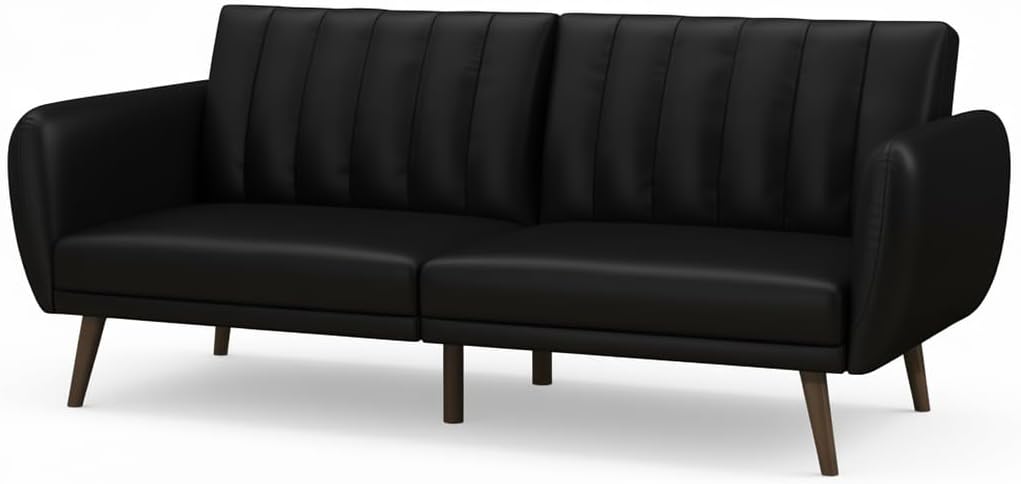
Buying Guide: How to Choose the Right Pet-Friendly Sofa for Your Home
Practical Advice for Making Your Decision
Buying a pet-friendly sofa is not just about picking a durable fabric and hoping it survives. That approach usually leads to frustration because pets do not damage furniture in the same way. A calm senior dog creates different wear patterns than a hyperactive puppy. A cat that scratches corners constantly creates different problems than a shedding golden retriever.
The smartest buyers stop thinking only about “pet-friendly” furniture in general and start thinking about furniture that matches their specific pet, lifestyle, and household habits.
A sofa that works perfectly in one home may fail in another.
That is why choosing the right sofa requires balancing durability, cleaning needs, comfort, style, and realistic long-term maintenance expectations.
The “Pet Personality” Matchmaker: Find the Right Sofa for Your Pet
Many furniture-buying mistakes happen because people ignore pet behavior patterns. Instead of choosing based purely on appearance, match the sofa to the way your pet actually behaves.
The Couch Potato
This pet mostly naps, lounges, and sleeps peacefully on the furniture.
Best Sofa Features:
- Plush but durable cushions
- Performance microfiber or performance velvet
- Deep seating for comfort
- Reversible cushions for even wear
- Avoid
- Delicate fabrics that flatten quickly
- Cheap foam cushions that sag permanently
This type of pet creates more compression damage than destructive scratching, so cushion quality matters most.
The Feisty Scratcher
Usually, cats or energetic dogs that paw, dig, or scratch surfaces repeatedly.
Best Sofa Features:
- Tight weaves
- Performance microfiber or performance velvet
- Microfiber or tightly woven synthetics
- Minimal exposed wood
- Flat upholstery surfaces
- Avoid
- Bouclé
- Loose linen blends
- Chenille
- Decorative woven textures
Most scratching damage happens because buyers prioritize trendy textures over durability. Stylish does not mean practical.
The Constant Shedder
This pet leaves fur everywhere, regardless of grooming.
Best Sofa Features:
- Leather or faux leather
- Flat woven fabrics
- Colors close to the pet’s fur tone
- Elevated legs for easier cleaning underneath
- Avoid
- Velvet without performance treatment
- Highly textured upholstery
- Dark fabrics with light-fur pets
Key Factors to Consider Before Buying
|
Consideration |
Why It Matters for Pet Owners |
Action/Tip |
Key Questions to Ask Before Buying |
|
Budget |
Cheap sofas often wear out quickly in pet households. |
Invest in durability instead of replacing furniture repeatedly. |
Will this sofa still perform well after several years of pet use? |
|
Pet Size & Habits |
Different pets create different stress on furniture. |
Observe whether your pet scratches, sheds, chews, or has accidents. |
Is this sofa designed for active daily use or only light traffic? |
|
Family Needs |
High-traffic homes need stronger materials and frames. |
Choose washable, durable upholstery if children and pets both use the sofa heavily. |
How much daily wear will this sofa realistically handle? |
|
Home Style |
Many pet owners fear sacrificing aesthetics. |
Choose performance fabrics in modern styles instead of overly delicate designer fabrics. |
Does this sofa fit both my lifestyle and decor long term? |
|
Fabric Sample Testing |
Showrooms rarely reflect real-life pet conditions. |
Test swatches at home using pet hair, water droplets, and gentle scratch pressure. |
Does the fabric trap hair or show marks easily? |
|
Sofa Size & Layout |
Pets often take up more seating space than expected. |
Measure carefully and consider modular layouts for flexibility. |
Will both people and pets comfortably fit on this sofa? |
|
Allergy Considerations |
Some materials trap dander and odors more aggressively. |
Choose leather, microfiber, or tightly woven synthetics for easier cleaning. |
Will this material worsen allergy symptoms over time? |
|
Warranty & Return Policy |
Pet damage is often excluded from warranties. |
Read policy details carefully before buying. |
What types of damage are actually covered? |
Why Fabric Sample Testing Matters More Than Showroom Testing
One of the biggest mistakes buyers make is trusting showroom impressions too much.
Furniture stores are controlled environments. There is no pet hair, dirt, scratching, saliva, or accidents happening there. Almost every sofa looks clean and comfortable under those conditions.
That is why fabric swatches are critical.
Before committing to a sofa:
- Rub pet hair into the fabric sample
- Test how easily it vacuums off
- Place small water droplets on the surface
- Lightly scratch the material with your fingernail
- Observe whether the weave snags or pills
Specific Pet Owner Challenges
Finding Stylish Sofas Without Sacrificing Function
Many homeowners still believe pet-friendly sofas must look oversized, boring, or overly practical. That mindset leads people toward delicate designer furniture that quickly becomes damaged.
Modern performance upholstery has changed that completely.
You can now find:
- Mid-century modern pet-friendly sofas
- Minimalist performance sectionals
- Luxury-looking washable fabrics
- Elegant leather options designed for durability
The better strategy is choosing subtle practicality rather than fragile luxury.
A sofa that constantly creates stress about damage stops feeling luxurious very quickly.
Multi-Pet Households
Homes with multiple pets face compounded wear problems:
- More fur
- More movement
- More odor buildup
- More accidents
- Faster cushion compression
Modular sofas usually work best in these environments because sections can be cleaned or replaced individually.
Darker medium-tone fabrics also tend to perform better visually in multi-pet homes because they camouflage everyday wear more effectively than pure white or very dark surfaces.
For households with several pets, maintenance efficiency becomes just as important as durability.
Allergy Considerations
Pet allergies make sofa selection even more important because upholstery can trap dander deep inside cushions and fibers.
The best options for allergy-sensitive homes are usually:
- Leather
- Faux leather
- Performance microfiber
- Tightly woven synthetics
These materials trap less dander and allow easier surface cleaning.
High-pile textured fabrics, loose weaves, and heavily absorbent upholstery usually worsen allergen buildup over time.
Regular vacuuming with HEPA filtration also matters. Even the best sofa material cannot compensate for poor cleaning habits.
The “Pet-Proofing” Project: Sofa Selection Is Only the Beginning
Many homeowners think buying a durable sofa solves the entire problem. It does not.
Even the best pet-friendly sofa still requires maintenance, cleaning habits, and realistic expectations.
A truly pet-friendly living room depends on:
- Regular vacuuming
- Fast spill cleanup
- Cushion rotation
- Nail trimming
- Washable throws or protective covers
- Proper odor management
The sofa itself is only one part of the system.
The uncomfortable truth is that some people expect furniture to survive years of neglect simply because it was labeled “pet-friendly.” No material is maintenance-proof.
The real goal is creating a home that stays functional, comfortable, and visually appealing without turning daily life with pets into a constant source of stress.
Maintaining Your Pet-Friendly Sofa: Essential Cleaning & Care Tips
Keeping Your Sofa Fresh and Damage-Free
Buying a durable sofa is only half the solution. Even the best pet-friendly furniture fails quickly if maintenance is inconsistent. Pet hair, dirt, oils, odors, and small accidents slowly break down upholstery over time, especially when homeowners wait until the sofa already looks dirty before cleaning it.
The biggest mistake people make is reactive maintenance instead of preventive maintenance.
A sofa that receives small, regular care almost always lasts longer and looks better than one cleaned only during emergencies.
Everyday Cleaning & Prevention
Daily and weekly habits matter far more than occasional deep cleaning.
Pet dander, hair, body oils, and dirt build gradually. At first, the sofa still looks clean, so people ignore it. Months later, odors become trapped, cushions flatten unevenly, and stains become harder to remove.
Preventing buildup is easier than reversing damage.
Vacuum Frequently and Rotate Cushions
Vacuuming removes:
- Hair
- Dander
- Dirt particles
- Dust trapped inside seams and cushions
Without regular vacuuming, those particles grind into the upholstery fibers and accelerate wear.
Rotating cushions is equally important because pets usually favor the same spots repeatedly. Rotating and flipping cushions distributes pressure more evenly and prevents visible sagging or permanent body impressions.
This small habit can extend the sofa's lifespan significantly.
Use Pet Hair Removal Tools
Standard lint rollers work temporarily, but heavy shedding usually requires stronger tools.
Popular pet hair removers include:
- Reusable rollers like the ChomChom Roller
- Rubber brushes
- Upholstery vacuum attachments
- Damp rubber gloves for quick hair collection
Tightly woven fabrics and leather generally release pet hair much more easily than textured upholstery.
The goal is consistent removal before hair becomes embedded deeply into the material.
Brush Pets Regularly
Many homeowners obsess over cleaning the sofa while ignoring the source of the shedding itself.
Daily or frequent brushing dramatically reduces loose hair before it reaches the furniture. This is especially important during seasonal shedding periods when fur accumulation increases rapidly.
Ignoring grooming while constantly cleaning furniture is inefficient.
Use Throws and Protective Blankets
Throws and washable blankets act as a protective barrier between pets and the upholstery.
This strategy works especially well for:
- Pets with favorite sleeping spots
- Older animals prone to accidents
- Heavy shedders
- Muddy outdoor dogs
The mistake some homeowners make is choosing decorative throws that cannot actually handle washing and repeated use.
Protective layers only work if they are practical enough to clean consistently.
Dealing with Specific Stains
Every pet owner eventually deals with accidents. What matters is response speed and cleaning method.
The biggest mistake people make is rubbing stains aggressively. Rubbing pushes liquids deeper into the fibers and spreads contamination outward.
Blotting is always safer.
Mud Stains
Mud looks worse when cleaned immediately while still wet.
Better Approach:
- Allow the mud to dry completely
- Brush or vacuum off loose debris
- Spot clean remaining residue gently
Trying to scrub wet mud often spreads the stain deeper into the fabric.
Urine and Vomit
Pet accidents require immediate attention because odors penetrate quickly into cushions and foam.
Correct Cleaning Process:
- Blot excess moisture immediately
- Avoid rubbing aggressively
- Use an enzyme-based cleaner specifically made for pet accidents
- Allow proper drying and ventilation
Enzyme cleaners work differently from ordinary sprays. Instead of masking smells temporarily, they break down the organic compounds causing the odor.
This distinction matters because untreated odor molecules often encourage repeat accidents in the same area.
Popular enzyme cleaner options include:
- Nature’s Miracle
- Rocco & Roxie Professional Strength Stain & Odor Eliminator
For serious saturation, surface cleaning alone may not fully solve the problem if the liquid has reached internal cushion layers.
Grease and Oil Stains
Pets naturally transfer oils from fur and skin onto upholstery over time.
Grease stains usually require:
- Mild degreasing, fabric-safe cleaners
- Gentle blotting
- Minimal moisture saturation
Overusing water can sometimes spread oily stains instead of removing them.
Odor Removal Strategies
Odor buildup usually happens gradually, which is why many homeowners stop noticing it until guests mention it.
Masking odors is not the same as removing them.
Baking Soda Treatment
Baking soda remains one of the simplest and most effective odor absorbers for fabric sofas.
Basic Process:
- Sprinkle lightly over dry upholstery
- Leave for several hours
- Vacuum thoroughly
This helps absorb lingering surface odors between deep cleanings.
Pet-Safe Fabric Refreshers
Pet-safe fabric sprays can help maintain freshness, but they should never replace actual cleaning.
Many cheap air fresheners only cover odors temporarily while bacteria and residue remain trapped underneath.
Professional Deep Cleaning
Even well-maintained sofas benefit from occasional professional cleaning.
Households with:
- Multiple pets
- Allergy concerns
- Frequent accidents
- Heavy shedding
usually benefit most from scheduled deep cleaning every 12–18 months, depending on usage.
The deeper dirt penetrates cushions and foam, the harder it becomes to remove with surface cleaning alone.
Preventive Measures That Extend Sofa Lifespan
Preventive habits matter more than expensive cleaning products.
Keep Pet Nails Trimmed
Long, sharp nails are one of the fastest ways to damage upholstery.
Regular nail trimming:
- Reduces snagging
- Minimizes scratches
- Prevents accidental punctures
- Lowers fabric stress during jumping or digging
Many scratched sofas are not destroyed by aggressive behavior. They are damaged by neglected nail maintenance.
Protect High-Wear Areas
Armrests, corners, and favorite sleeping spots wear out first.
Protective covers, throws, or washable overlays in these areas help preserve the sofa’s overall appearance much longer.
Schedule Deep Cleaning Before Problems Become Severe
Waiting until the sofa smells bad or looks visibly dirty usually means dirt and odors have already penetrated deeply into the material.
Preventive cleaning is cheaper and more effective than restoration cleaning.
Pet Training for Sofa Etiquette
Fostering Good Habits for a Happy Home
Furniture durability is not only about materials. Training matters too.
Some homeowners spend thousands on durable upholstery while allowing destructive habits to continue unchecked. No sofa survives long-term abuse without boundaries.
Training does not require harsh punishment. It requires consistency.
Establishing Boundaries
Pets cannot follow rules that constantly change.
If one family member allows pets on the sofa while another punishes them for it, confusion becomes inevitable.
Teaching simple commands like:
- “Off”
- “Place”
- “Stay”
helps create structure and predictable expectations.
Consistency across the household matters more than intensity.
Provide Better Alternatives
Many destructive behaviors happen because pets lack appropriate alternatives.
For Cats:
- Scratching posts
- Scratch mats
- Climbing areas
For Dogs:
- Comfortable beds
- Orthopedic cushions
- Designated lounging areas near family activity
Pets naturally prefer locations close to people. Placing pet beds near the sofa often works better than isolating animals elsewhere in the home.
Trying to remove comfort without replacing it usually fails.
Positive Reinforcement Works Better Than Punishment
Rewarding good behavior creates stronger long-term habits than punishment after mistakes.
For example:
- Reward pets for using their own bed
- Redirect scratching toward scratching posts
- Praise calm behavior around furniture
Punishment after accidents often creates anxiety without actually solving the underlying behavior problem.
Addressing Specific Problem Behaviors
Chewing
Dogs chewing sofa corners or cushions often need:
- More stimulation
- Better chew toys
- Increased exercise
- Consistent redirection
Destructive chewing is usually a symptom, not random behavior.
Scratching
Cats scratch naturally to mark territory and maintain their claws.
Trying to completely stop scratching is unrealistic. Redirecting it toward approved surfaces is far more effective.
Jumping on Furniture
If pets are not allowed on the sofa, boundaries must be reinforced consistently every single time.
Occasional exceptions usually weaken training completely.
Expert Insight on Humane Furniture Training
Professional trainers and animal behavior specialists consistently emphasize that long-term behavior improvement comes from consistency, redirection, and environmental management rather than punishment.
Pets repeat behaviors that are:
- Comfortable
- Rewarding
- Allowed repeatedly
That means protecting furniture successfully usually requires changing routines and environments, not simply blaming the animal after damage occurs.
The most successful pet-friendly homes combine:
- Durable furniture
- Preventive maintenance
- Clear training boundaries
- Realistic expectations
That combination creates a space that feels comfortable for both people and pets without turning the sofa into a constant source of stress.
FAQ
Conclusion: Enjoying a Pet-Friendly & Stylish Home
The Perfect Blend of Pet Love and Home Comfort
Creating a home that works for both pets and people is not about compromise; it’s about smarter choices. The biggest shift happens when you stop treating “pet-friendly furniture” as a special category and start seeing it as a practical design standard built for real life.
The foundation of a long-lasting pet-friendly sofa comes down to three things:
- Right materials: Performance fabrics, microfiber, tightly woven synthetics, and treated leather consistently outperform delicate or loose-weave fabrics.
- Smart design choices: Slipcovers, modular structures, elevated legs, and reversible cushions make cleaning and maintenance significantly easier.
- Consistent maintenance: Regular vacuuming, quick stain response, odor control, and simple preventive habits extend sofa life far more than any single product feature.
When these elements work together, the result is furniture that stays functional and presentable even in active pet households.
The Core Message
Owning pets and maintaining a stylish, comfortable home are not conflicting goals.
The problem is not pets, it is poor planning. Most furniture issues come from choosing based on appearance alone instead of real-world use. Once you understand how materials behave, how designs function, and how maintenance affects longevity, you gain control over your living space instead of constantly reacting to damage.
A well-chosen sofa does more than survive pets. It reduces stress, simplifies cleaning, and allows your home to remain comfortable without constant worry about every paw, scratch, or spill.