
Cozey Ciello Review: 90 Days of Real Renter Testing
June 4, 2026
The Whole-Home Care System: A Room-by-Room Guide for Busy Homeowners
July 3, 2026
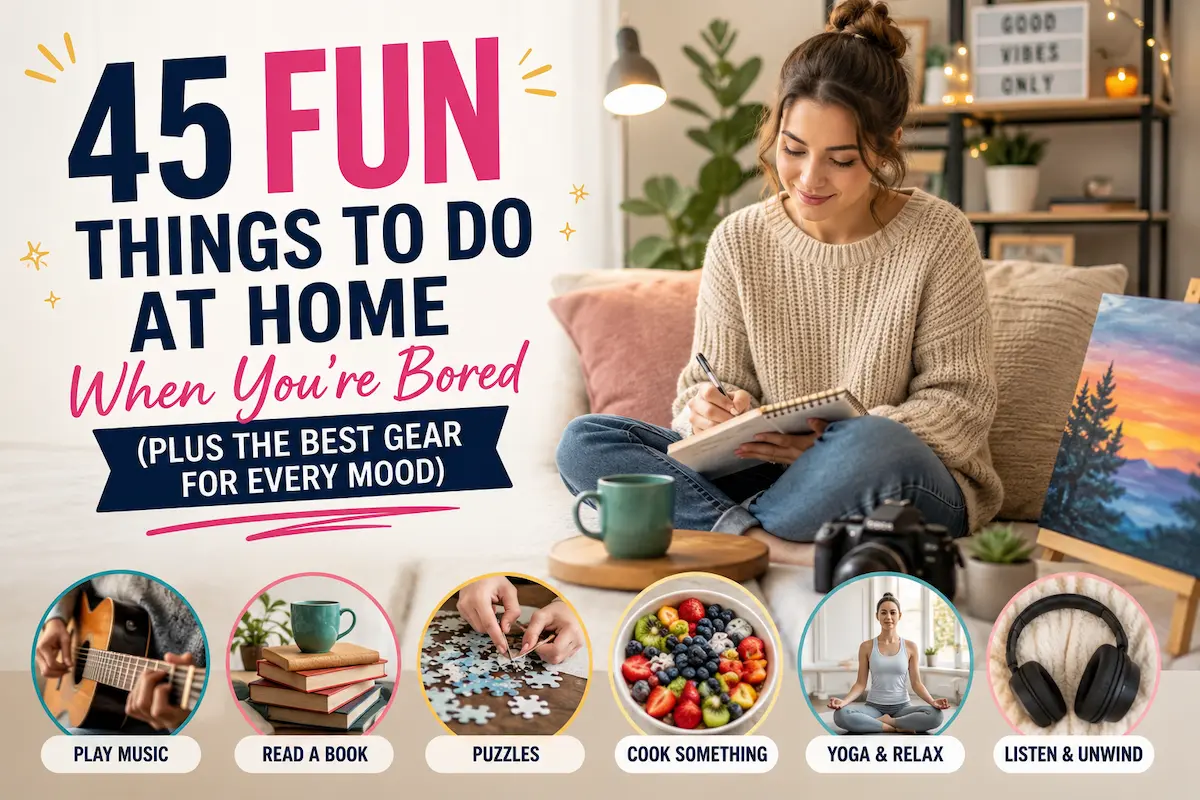
You're scrolling again.
It's 2:00 PM on a Sunday. Your eyes are dry. You've opened three streaming apps, watched half a trailer, and somehow ended up back on your phone. The afternoon is disappearing, but nothing sounds appealing enough to start.
This is the part nobody talks about.
Most people don't struggle because they lack hobby ideas. They struggle because the activation energy is too high. The watercolor kit is buried in a closet. The puzzle requires clearing the dining table. The online course feels suspiciously like work. Even the hobbies you're supposedly excited about come with setup, cleanup, and the quiet pressure to be good at them.
I've fallen into this trap more times than I'd like to admit.
I've bought the supplies. I've saved the videos. I've spent hours researching the "best" hobby instead of doing any hobby at all. At one point, I had enough unfinished projects to fill an entire boredom box. What I didn't need was another list of 100 activities. I needed a system that reduced friction between wanting to do something and actually doing it.
Because that's where most hobbies fail.
Not during the activity itself. During the five minutes before it starts.
This guide takes a different approach. Instead of sorting activities into generic categories like crafts, fitness, or games, it organizes them around how you actually feel. Restless. Mentally drained. Lonely. Curious. Stressed. Social. Those emotional states matter far more than whether a hobby technically involves paint, cards, or a laptop.
You'll also find a simple 20-minute rule that dramatically lowers procrastination. If an activity isn't worth trying for 20 minutes, it's probably not worth researching for two hours. That rule alone eliminated a surprising amount of decision fatigue in my own routine.
Along the way, we'll look at which products actually earn their shelf space and which ones tend to become expensive clutter. Some hobbies have excellent time-to-fun. Others demand weeks of commitment before they become enjoyable. That's a trade-off worth understanding before you spend money.
By the end, you'll have 45 carefully selected activities organized by mood, a realistic comparison of gear that's worth buying versus gear that often leads to clutter regret, and a practical framework for turning empty hours into genuine recovery, connection, or skill-building.
No dedicated craft room required.
No pressure to become an expert.
Just a better way to decide what to do when boredom shows up.
Why Most "Boredom Lists" Leave You More Tired Than Before
The Psychology of Boredom and Decision Fatigue
Most boredom lists start with categories.
Crafts. Games. Exercise. Reading. Cooking.
The problem is that categories assume you already know what you want.
You don't.
If you did, you wouldn't be staring at a list of 100 options hoping one of them magically feels right. When people say they're bored, they're often describing something more specific. They're restless and need movement. They're mentally exhausted and need something simple. They're lonely and want connection. They're energized and looking for a challenge.
Those are completely different problems.
Yet most lists throw everything together and ask you to choose.
That's where decision fatigue shows up.
Every option requires evaluation. Do I have the supplies? Is it worth the effort? Do I have enough time? Will I enjoy it? The more possibilities you consider, the more mental energy you spend before doing anything at all.
I've spent entire evenings researching hobbies that I never actually started.
That's not leisure. That's unpaid project management. When no activity feels like a perfect fit, scrolling becomes the default. Social media has almost zero activation energy. No setup. No cleanup. No commitment. Your brain chooses the path of least resistance, even when it leaves you feeling worse twenty minutes later.
The real question isn't "What hobby should I do?"
It's "What does my current mood actually need?"
That's why this guide is organized around psychological states rather than traditional hobby categories. Instead of forcing yourself into a random activity, you'll start by identifying whether you're restless, burnt-out, lonely, curious, stressed, or energized.
The activity comes second. The mood comes first.
The Hidden Costs of "Easy" Activities
Many hobbies look simple from a distance.
The reality is usually different.
Take painting. The actual painting might be relaxing. The setup isn't. Finding supplies, protecting surfaces, mixing colors, cleaning brushes, and putting everything away can easily consume more time than the activity itself.
A hobby with 45 minutes of preparation and 20 minutes of enjoyment has a terrible time-to-fun ratio.
This is where many good intentions die.
Not because the hobby is bad.
Because the friction is too high.
The same problem shows up in dozens of supposedly low-effort activities. Baking requires ingredients, dishes, and cleanup. Board games require willing participants. Home workout equipment needs storage space. Craft kits multiply in closets long after the initial excitement disappears.
Every hobby has a hidden cost.
Sometimes it's money.
Sometimes it's space.
Sometimes it's the mental burden of maintaining yet another unfinished project.
I learned this after accumulating enough abandoned supplies to fill several shelves of what can only be described as clutter regret. Most weren't bad purchases. They simply demanded more commitment than my actual lifestyle could support.
That's why one of the most useful rules I've adopted is remarkably simple.
The 20-minute rule.
When trying a new activity, commit to just 20 minutes.
Not mastery.
Not a new identity.
Just 20 minutes.
You can quit after ward without guilt.
Ironically, removing the pressure to continue often makes it easier to start. And starting is usually the hardest part.
What This Guide Does Differently
This guide is built around a mood-matched framework.
Instead of asking what category interests you, it asks how you feel right now.
Each activity is evaluated using a practical metric I call time-to-fun: the amount of effort, preparation, and setup required before the enjoyable part begins.
Because a hobby that starts in two minutes often beats a hobby that starts in forty.
You'll also see activities evaluated through an Activity ROI Rating System that focuses on four questions:
- Does it encourage creativity?
- Does it provide physical engagement?
- Does it create social connection?
- Does it justify its cost over time?
Those factors matter more than novelty.
The goal isn't finding the most impressive hobby. The goal is finding the activity you'll actually do on an ordinary Tuesday evening.
To make that process even easier, this guide includes a downloadable Boredom Menu Printable decision-tree worksheet. Think of it as a shortcut for low-motivation days.
Identify your current mood.
Follow the decision path.
See the recommended activities.
Check the supplies required.
Start something before your brain has time to open another streaming app.
Simple systems often outperform ambitious plans.
Especially when boredom is the problem you're trying to solve.

The Boredom Cure Framework: Match Your Current Mood to the Perfect Activity
Restless and Anxious: High-Engagement, Flow-State Activities
Sometimes boredom isn't boredom.
It's excess mental energy with nowhere useful to go.
Your brain keeps cycling through unfinished conversations, tomorrow's responsibilities, and random worries. Sitting still doesn't help because the problem isn't a lack of rest. It's a lack of focus.
This is where flow-state activities earn their place.
The best options demand enough attention to crowd out mental noise without becoming frustrating. You're giving your brain a single problem to solve instead of letting it juggle twenty.
Time-to-fun is usually around 10 to 15 minutes.
Not instant. But fast enough to break the cycle.
Large puzzles are surprisingly effective. So are strategy board games, embroidery projects, diamond painting kits, and cooking projects that require multiple steps. The common thread isn't creativity. It's absorption.
You stop monitoring your thoughts because your hands finally have something better to do.
One product that consistently earns its shelf space is the Ravensburger 1000-Piece Premium Puzzle. Unlike many hobby purchases, a puzzle has a clear finish line. You know exactly what success looks like, and the setup takes less than two minutes.
Diamond painting and beginner embroidery kits deserve similar credit. They aren't glamorous. They are repetitive, tactile, and oddly calming. More importantly, they require very little artistic talent to enjoy.
That matters.
A hobby shouldn't feel like a performance review.
Burnt-Out and Depleted: Low-Energy, Restorative Options
This is where many people make a costly mistake.
They feel exhausted and immediately start searching for a productive hobby.
Wrong diagnosis.
If your mental battery is empty, adding another task to your day often creates more resistance than relief.
What you need is recovery.
Real recovery.
Not scrolling disguised as rest.
The most effective activities in this category have a time-to-fun of roughly five minutes or less. Some start immediately.
Reading a novel.
Listening to an audiobook while lying on the couch.
Gentle yoga.
Light stretching.
Sitting by a window and watching the weather for fifteen minutes.
That last one sounds ridiculous until you try it.
We've become so conditioned to justify every minute that genuine stillness feels uncomfortable. Yet intentional rest is one of the few things that reliably restores cognitive resources.
These activities aren't lazy.
They're maintenance.
Nobody criticizes a phone for needing to recharge. Humans somehow expect different rules.
One practice that actually works is scheduling a do-nothing block. Put it on your calendar if necessary. Twenty minutes. No goals. No productivity metrics. No self-improvement agenda.
Oddly enough, removing guilt from rest often makes active hobbies feel more attractive afterward.
The pressure disappears.
Lonely and Isolated: Connection-Building Solo and Social Activities
Loneliness creates a unique type of boredom.
The issue isn't lack of stimulation.
It's lack of connection.
People often try to solve this with entertainment and wonder why it doesn't work.
A six-hour streaming marathon can fill time. It rarely fills the social gap.
Activities in this category should minimize planning friction. If organizing something feels complicated, it probably won't happen.
Time-to-fun should be immediate.
Board games with housemates remain one of the best options because they combine structure with conversation. Nobody has to invent topics or carry the interaction.
Wingspan is an excellent example. It offers enough strategy to stay interesting without requiring a full evening commitment.
Codenames works for a different reason. The rules are simple, the barrier to entry is low, and it creates interaction almost instantly.
Not everyone has people available in the same room, though.
That's where online hobby communities can help. Book clubs, writing groups, gaming communities, and interest-based discussion groups provide regular touchpoints without demanding major commitments.
Smaller options matter too.
Voice-note catch-ups.
Collaborative playlists.
Co-reading sessions where two friends read the same book and exchange thoughts.
These don't sound revolutionary.
That's exactly why they work.
Connection often grows from repeated low-stakes interactions, not elaborate plans.
Energized and Curious: Skill-Building and Productive Deep Dives
Some days you don't want recovery.
You want momentum.
Your attention is available. Your energy is high. The challenge is directing it somewhere useful before it gets consumed by random internet rabbit holes.
This is the ideal moment for skill-building activities.
Not because every hobby needs a productive outcome, but because curiosity naturally seeks progress.
The time-to-fun here is usually around 20 minutes.
That's long enough to learn something meaningful but short enough to avoid overwhelm.
Structured online classes fit this category well. So do language-learning sessions, resistance-band workouts, experimental cooking projects, and personal writing challenges.
The key is visible progress.
Humans enjoy competence.
We like seeing evidence that we're getting better at something.
That's why platforms such as Skillshare and MasterClass tend to outperform random YouTube wandering. The structure reduces decision fatigue and provides a clear path forward.
Not every subscription deserves renewal, but these services can be worthwhile when used consistently.
For hands-on learners, kitchen experiments offer a surprisingly strong return. An Instant Pot or Air Fryer can reduce prep work enough to keep cooking enjoyable instead of exhausting. Less cleanup means lower activation energy, which increases the likelihood you'll use it again next week.
The important distinction is this:
Don't force yourself into a growth-oriented hobby when you're exhausted.
And don't waste high-energy days on passive entertainment if what you really want is challenge.
The right activity depends less on the hobby itself and more on the version of you that's showing up today.
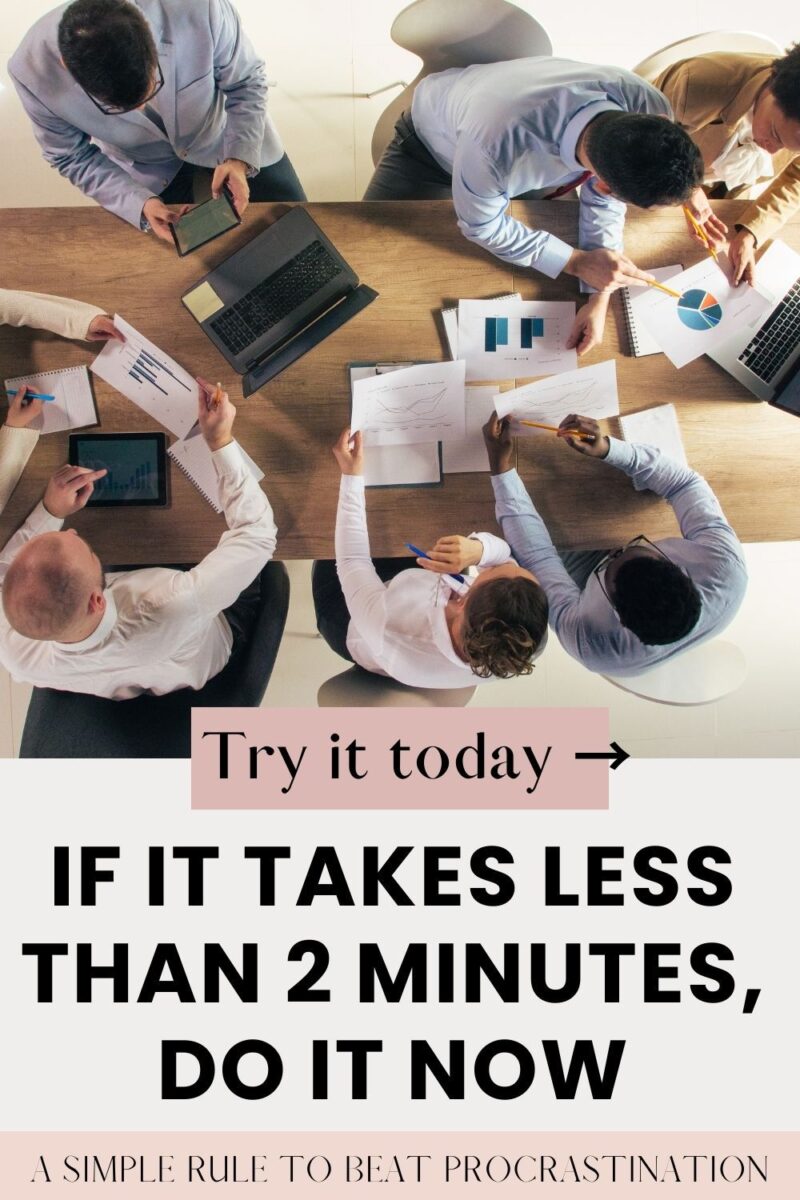
45 Things to Do at Home When You're Bored (By Time, Energy, and Cost)
Most boredom lists treat all activities as equal.
They aren't.
Five minutes session solves a different problem than a three-hour cooking project. The trick is matching your available energy, time, and attention instead of choosing the most impressive option.
Think of this section as a menu, not a challenge.
You don't need to complete everything.
You need a few reliable favorites that actually work.
Quick-Start Activities: Under 20 Minutes, Minimal Setup
This is your emergency kit.
The activities you reach for when motivation is low and scrolling feels dangerously tempting.
Time-to-fun is under five minutes.
Activation energy is almost nonexistent.
A 10-minute yoga flow.
One chapter of a book.
A single section of a puzzle.
One quick round of a board game.
Doodling without worrying whether it's good.
Calling a friend.
A one-song dance break in the kitchen.
A brief journal prompt.
Chopping ingredients for tomorrow's meal.
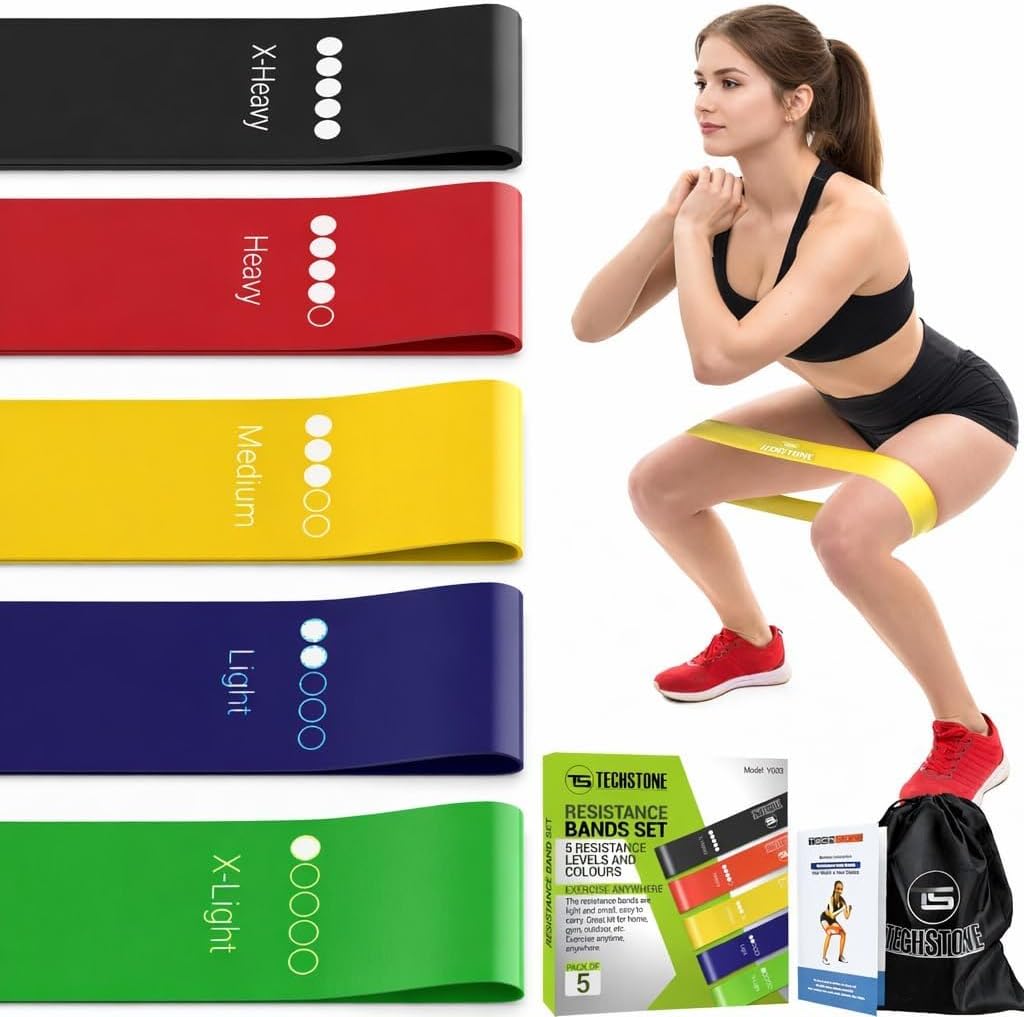
Resistance band stretches between meetings.
The goal isn't accomplishment.
The goal is movement.
Mental movement. Physical movement. Emotional movement.
Anything that breaks the loop.
These activities also serve another purpose.
One puzzle section often becomes three.
One chapter becomes fifty pages.
One stretch session becomes a full workout.
- You don't need to commit to the larger version immediately.
Just start with the smallest possible version and see what happens.
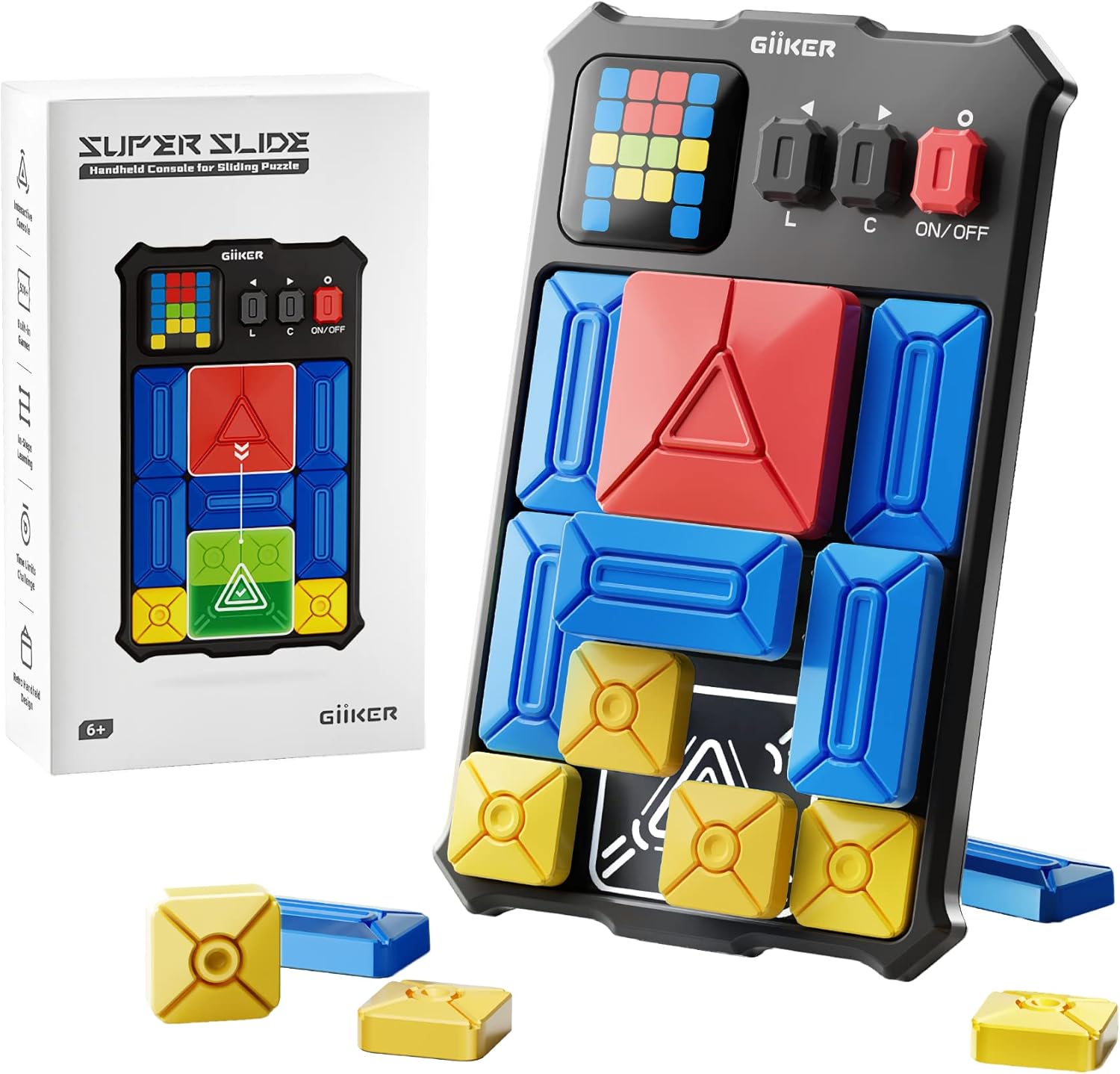
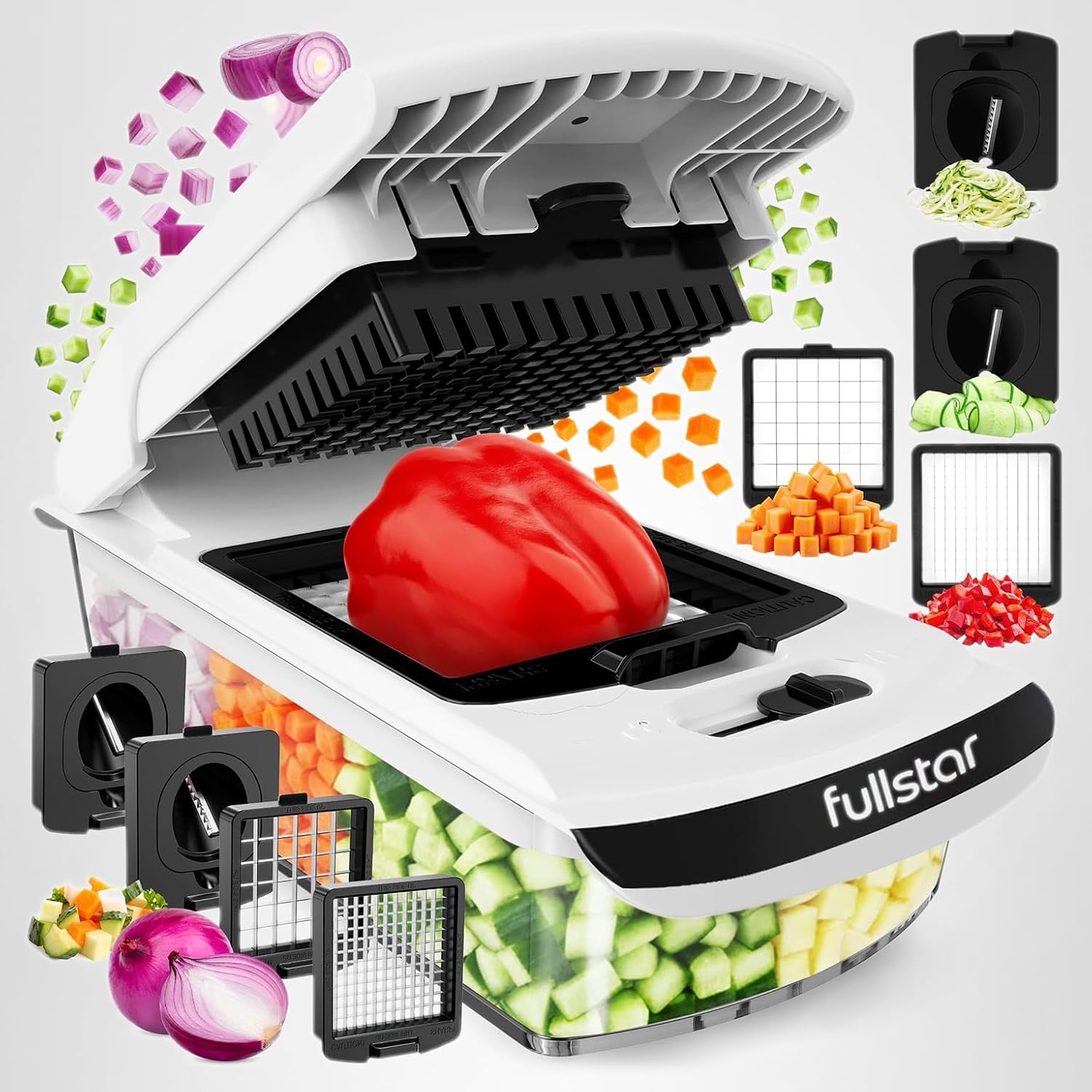
Deep-Dive Projects: 1+ Hours for Full Immersion
Some days you want more than a quick reset.
You want to disappear into something.
These activities require a bit more activation energy, but they reward it with genuine immersion.
Time-to-fun usually lands between 15 and 30 minutes.
That delay sounds like a drawback until you consider the payoff. Deep-dive activities create the strongest flow states and often leave you feeling far more refreshed than passive entertainment.
Good examples include:
Completing a substantial puzzle section.
A full board game session with friends or family.
Working through an entire class module and practicing the lesson immediately.
Meal prepping multiple dishes for the week.
Finishing a complete embroidery pattern.
Taking a long indoor walking session while listening to an audiobook or podcast.
Writing a full story draft, article, or personal essay.
Completing a structured full-body workout.
The biggest challenge isn't starting these projects.
It's transitioning into them.
This is where quick-start activities become useful.
A five-minute stretch can become a workout.
A single recipe step can become a cooking session.
A short journal entry can become an hour of writing.
Momentum is easier to build than motivation.
Use the former whenever possible.
The Zero-Cost Menu: No Purchases Required
The hobby industry would like you to believe every interest requires equipment.
It doesn't.
In fact, some of the most satisfying activities cost absolutely nothing.
Budget tier: $0.
Bodyweight workouts.
Meditation.
Writing exercises.
Reading through a library app.
Video calls with friends.
Pantry-only cooking challenges.
Free online museum tours.
Closet styling experiments using clothes you already own.
Home inventory photography.
Repurposed-item projects using cardboard, newspapers, jars, and shipping boxes.
I have a soft spot for constraint-based activities because they remove the pressure to buy more stuff.
Constraints force creativity.
Unlimited options often do the opposite.
Before purchasing new supplies, ask a simple question:
Can I create a version of this activity using what I already have?
The answer is surprisingly often yes.
That's good for your budget.
It's even better for avoiding clutter regret.
Small-Space Friendly Options: No Dedicated Room Needed
One of the biggest myths in hobby culture is that you need a dedicated space.
A craft room.
A workshop.
A home gym.
A music studio.
Most people have none of those things.
And that's perfectly fine.
Many of the best boredom cures require less than a six-foot-by-six-foot area.
A Kindle and a comfortable chair.
A language-learning app on your phone.
A tabletop puzzle.
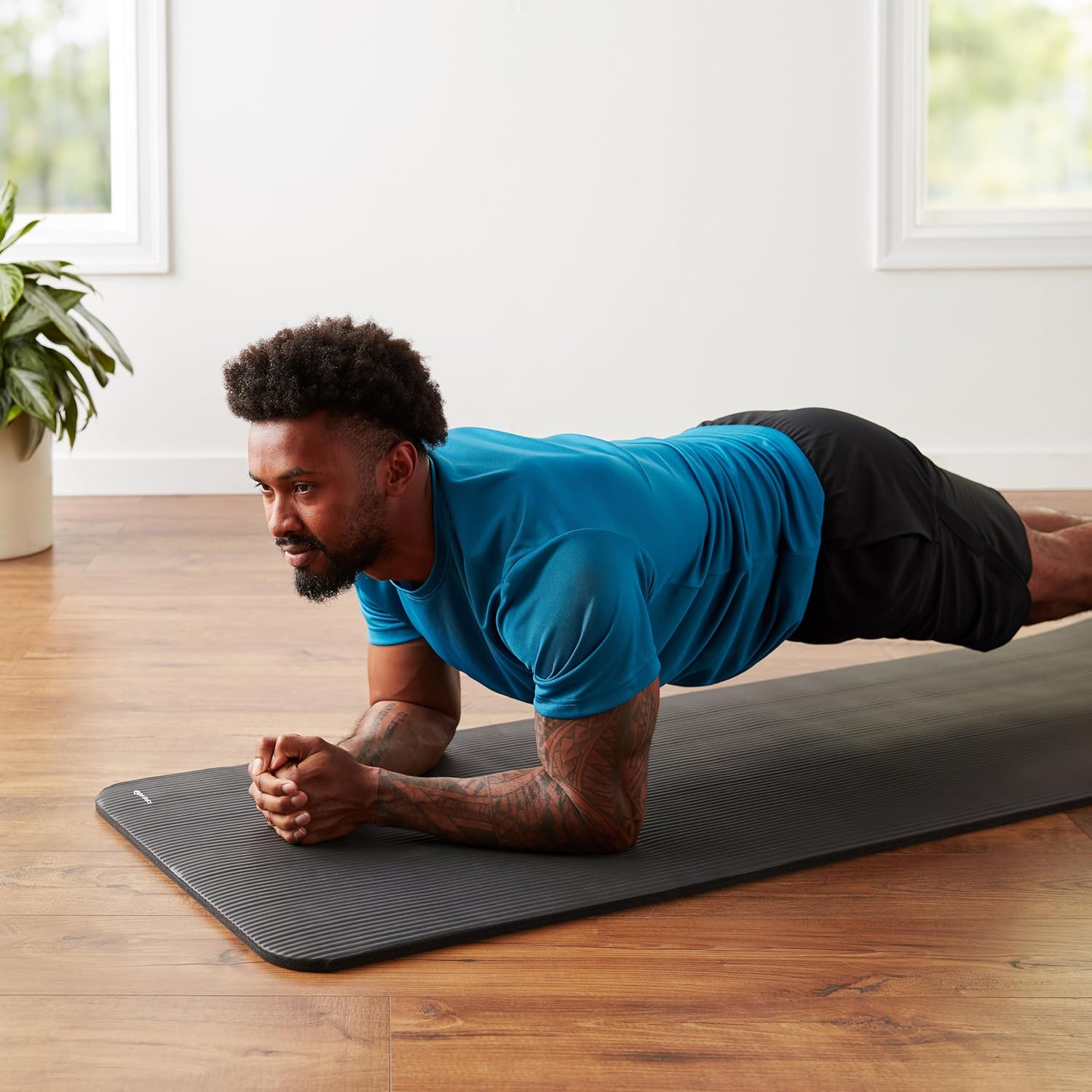
A yoga mat.
A journal.
A sketchbook.
A small board game.
A countertop cooking experiment.
An online course.
The key isn't square footage.
It's accessibility.
This is why I strongly recommend creating an activity zone, even if it's only a corner of a room.
A specific chair for reading.
A small table reserved for puzzles.
A shelf that stores hobby supplies.
Environmental cues matter more than most people realize.
When the space is already prepared, activation energy drops dramatically.
One final rule has saved me from countless abandoned projects:
The cleanup-under-five-minutes rule.
If putting an activity away consistently takes longer than five minutes, you'll gradually stop doing it.
Not immediately.
Gradually.
The friction accumulates.
The best hobbies fit into your actual living situation, not your fantasy version of it.
A small, easy-to-maintain setup used three times a week beats an elaborate setup used twice a year.
Every time.
Scenario-Based Solutions: "I'm Bored, But..."
Boredom rarely arrives in a perfect laboratory setting.
You aren't just bored.
You're bored and exhausted.
Bored and alone.
Bored with kids running through the house.
Bored while trying to avoid screens.
The context matters.
A solution that works beautifully on a free Saturday afternoon can feel completely impossible after a draining workday.
That's why matching the activity to the situation matters just as much as matching it to your mood.
Bored But Exhausted: Low-Activation Recovery
This is the danger zone for bad decisions.
You're tired. Your attention span is shrinking. Everything feels like work.
So naturally, many people respond by choosing a hobby that requires even more energy.
A complicated project.
A demanding workout.
An ambitious creative challenge.
Then they wonder why it feels miserable.
Depletion changes the rules.
When you're mentally or physically exhausted, recovery should become the priority.
Not productivity.
Gentle yoga works well because it creates movement without requiring performance.
Simple puzzles occupy the mind without overwhelming it.
Audiobooks provide engagement without demanding constant attention.
Slow cooking projects can be surprisingly restorative too. Not meal prep marathons. Just simple sensory cooking. Chopping vegetables. Stirring a pot. Paying attention to smells and textures instead of notifications.
The common theme is low activation energy.
You aren't trying to achieve anything.
You're trying to refill the tank.
A quality yoga mat and a small resistance band set earn their space because they reduce barriers to movement. No commute. No equipment assembly. No complicated routines.
The easier the setup, the more likely you'll use them when energy is lowest.
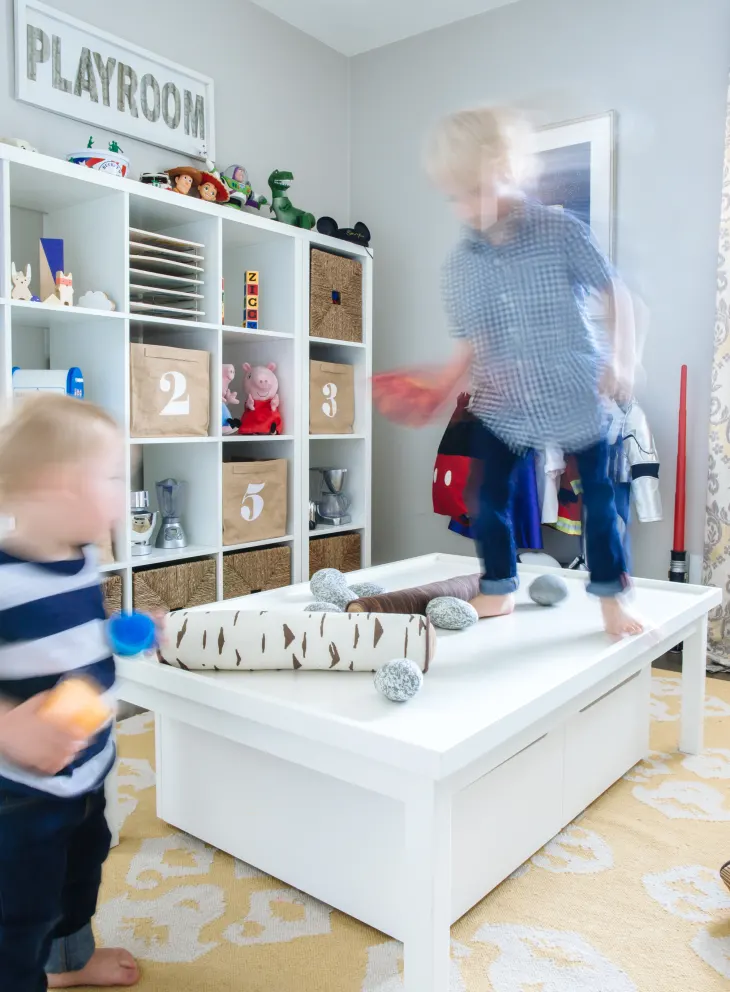
Bored With Kids or Mixed-Age Groups
Group boredom is its own challenge.
Children want stimulation.
Adults want simplicity.
Someone inevitably ends up doing all the setup.
Usually the same person every time.
The activities that survive long term are the ones that scale across ages without creating a logistical nightmare.
Collaborative puzzles are one of the few reliable options.
Everyone can contribute.
Nobody has to be equally skilled.
Progress remains visible.
Board games work too, especially when rules can be adjusted. Simplified versions of word and guessing games often keep younger participants engaged while still entertaining adults.
Cooking projects have a similar advantage.
One person measures.
Another mixes.
Someone else handles cleanup.
The activity naturally creates roles.
The secret is assigning responsibilities before you begin.
Otherwise, adults become unpaid event coordinators while everyone else has fun.
That arrangement gets old quickly.
Diamond painting kits with larger pieces can also work surprisingly well across age groups because success arrives quickly and mistakes are difficult to make.
That's a combination worth respecting.
Bored and Avoiding Screens
This situation sounds simple.
It isn't.
Most people underestimate how often they reach for a screen simply because it's nearby.
You aren't fighting boredom.
You're fighting habit.
Phones have nearly zero activation energy.
Physical activities almost always require more.
That's why tactile alternatives matter.
Physical books.
Embroidery.
Board games.
Jigsaw puzzles.
Sketchbooks.
Cooking from memory instead of following a video tutorial.
The goal isn't deprivation.
It's replacing one default behavior with another.
I've found that screen-free evenings become dramatically easier when the replacement activity is already visible.
If your book is buried in a drawer, your phone wins.
If a puzzle is already on the table, the decision changes.
This is another reason e-readers work well. A Kindle provides many of the conveniences people enjoy about digital content without the constant distraction loop of notifications, social feeds, and endless recommendations.
The ideal evening routine isn't complicated.
Finish work.
Put the phone somewhere inconvenient.
Start a pre-selected activity.
Repeat often enough that it becomes automatic.
The fewer decisions involved, the better.
Bored and Alone: Solo Activities That Feel Social
Living alone introduces a particular kind of boredom.
Not a lack of things to do.
A lack of shared experience.
Many solo hobbies become more enjoyable when they're connected to a community.
The activity stays individual.
The progress becomes collective.
This is where online challenges, hobby forums, reading groups, writing communities, and crafting circles shine.
You work independently but still feel connected to something larger.
Progress-sharing is surprisingly powerful.
Posting a completed puzzle section.
Sharing a daily sketch.
Updating a reading challenge.
Submitting a short writing exercise.
Small interactions create momentum.
Co-working streams and virtual crafting sessions operate on a similar principle.
Nobody is necessarily talking.
People are simply doing things together.
Even "parallel play" video calls work.
You read.
A friend knits.
Someone else organizes photos.
The activity is separate.
The presence is shared.
External accountability often transforms solitary boredom into consistent engagement.
Not because people are watching.
Because participation feels meaningful when someone else notices.
Bored With Roommates or a Partner: Negotiating Shared Space
Shared living arrangements create an interesting problem.
You may have free time at the same moment while wanting completely different things.
One person wants a board game.
The other wants to read.
One wants conversation.
The other wants quiet.
Without a system, leisure can start feeling suspiciously like project management.
The simplest solution is often alternating ownership.
One person chooses tonight.
The other chooses next time.
No lengthy negotiations.
No endless discussions about options.
Shared boredom boxes can help as well.
Fill them with activities both people enjoy and agree that anything inside is fair game when nobody has a strong preference.
Two-player board games remain one of the most practical investments because they create interaction without requiring a large group.
Cooking together works for similar reasons, especially when leadership rotates. One person leads tonight's recipe. The other leads the next one.
Equal participation matters.
So does flexibility.
Not every free hour needs to become a shared activity.
Sometimes the healthiest solution is simply occupying the same room while doing different things.
A puzzle and a novel.
A sketchbook and a podcast.
A board game and a cup of tea.
Connection doesn't always require identical activities.
Sometimes it just requires shared space without competing expectations.
Curated Gear for Every Mood: What Earns Its Shelf Space and What Doesn't
I've reached the point where I automatically distrust hobby purchases that promise to change my life.
Most won't.
The average hobby doesn't fail because the equipment is bad. It fails because the equipment creates more friction than the activity itself.
That's why I evaluate hobby gear using a simple question:
Will I realistically reach for this on an ordinary Wednesday evening?
Not during a burst of motivation.
Not during a New Year's resolution phase.
A random Wednesday.
If the answer is no, the item probably becomes clutter.
If the answer is yes, it earns its place.
The products below made the list because they offer a strong balance of low activation energy, reasonable storage requirements, and repeat use. They aren't necessarily the most exciting options. They're the options that actually work.
Reading and Digital Learning
A Kindle Paperwhite or a reading subscription service like Scribd has one major advantage over physical hobby supplies.
It requires almost no space.
The time-to-fun is measured in seconds.
You pick it up and start.
That's it.
For people struggling with screen fatigue, e-readers occupy an interesting middle ground. You keep the convenience of digital content while avoiding the endless distraction loops that come with phones and tablets.
The biggest advantage isn't the technology.
It's accessibility.
When books are instantly available, reading becomes easier to choose than scrolling.
Tactile and Meditative Engagement
The Ravensburger 1000-piece puzzle remains one of the few hobby purchases I rarely regret recommending.
Puzzles have a clear objective.
A visible finish line.
Minimal learning curve.
Low clutter potential.
And surprisingly strong replay value if shared among friends or family.
More importantly, puzzles create a rare combination of focus and relaxation. Your brain stays engaged without becoming overstimulated.
That's difficult to find.
Creative Flow-State Activities
Diamond painting and embroidery kits occupy a category I once underestimated.
They're repetitive.
Predictable.
Sometimes a little boring.
And that's exactly the point.
Not every hobby needs to be exciting.
Sometimes you need an activity that quiets mental noise instead of generating more stimulation.
For beginners, both options offer excellent time-to-fun because success arrives quickly. There is very little technical barrier standing between you and a satisfying experience.
That makes them ideal boredom-box candidates.
Social and Strategic Entertainment
Board games are one of the few purchases that can either become a household favorite or gather dust almost immediately.
The difference is usually player count.
That's why choosing the right game matters.
Codenames excels because setup is fast and rules are easy to explain. It works best with groups and rewards conversation more than strategy.
Wingspan requires a bit more commitment but offers greater depth. It also includes a well-regarded solo mode, making it one of the few strategy games that remains useful even when nobody else is available.
That's a significant advantage in smaller households.
If storage space is limited, I generally recommend fewer games with higher replay value rather than building a large collection.
Most collections grow faster than they get used.
Movement and Stress Relief
Exercise equipment has a notorious clutter-to-usefulness ratio.
Treadmills become clothing racks.
Bulky machines disappear into corners.
Large purchases create large regrets.
A quality yoga mat and resistance bands avoid most of these problems.
They store easily.
Setup takes less than a minute.
They support dozens of different routines.
Most importantly, they reduce excuses.
When movement requires almost no preparation, you're far more likely to do it.
Skill Building and Structured Learning
Online learning subscriptions occupy an unusual category.
They're among the easiest products to buy and among the easiest to ignore.
That's not a criticism of the platforms.
It's a reminder that content access and skill development are not the same thing.
Services like MasterClass and Skillshare work best for naturally curious people who enjoy structured progression. They provide direction, which reduces decision fatigue.
But they only earn their annual fee if you actively use them.
A single completed course is usually more valuable than twenty bookmarked ones.
Experimental Cooking Without the Hassle
Kitchen gadgets are perhaps the most dangerous category in the hobby industrial complex.
Every appliance promises simplicity.
Many deliver additional storage problems.
The Instant Pot and Air Fryer stand out because they solve genuine friction points rather than inventing new ones.
They reduce cooking time.
They simplify cleanup.
They lower the activation energy required to experiment.
Those benefits compound over time.
When a tool makes an activity easier every week, it becomes an asset.
When it only gets used during moments of peak enthusiasm, it becomes countertop clutter.
A Final Buying Rule
Before purchasing any hobby product, ask yourself two questions:
Can I imagine using this within the next seven days?
And where will it live when I'm not using it?
Most bad hobby purchases fail one of those tests.
The best purchases lower activation energy, shorten time-to-fun, and fit naturally into your existing space.
Everything else is just optimism in a cardboard box.
How We Selected and Tested These Products
Most product roundups have a predictable problem.
Everything is apparently amazing.
Every gadget is "essential." Every subscription is "worth it." Every hobby kit is somehow life-changing.
That's not how real homes work.
Real homes have limited storage, limited budgets, and limited attention spans.
The products in this guide were selected using four criteria that matter far more than marketing claims.
Durability.
Can it survive repeated use without becoming frustrating, broken, or obsolete?
Price-per-use.
Will the cost feel reasonable after twenty sessions, not just after the first exciting weekend?
Small-space viability.
Can it comfortably live in an apartment, shared home, or multipurpose room?
Replayability.
Does it remain useful after the novelty wears off?
Those filters eliminated a surprising number of otherwise popular options.
The seven products featured throughout this guide earned their place because they work across multiple moods, seasons, and schedules. They aren't tied to a single burst of enthusiasm.
They're flexible.
That's what makes them valuable.
Affiliate Disclosure:
Reading and Digital Learning Setups
Reading has one of the best price-to-enjoyment ratios of any hobby.
The challenge isn't value. It's access.
A Kindle Paperwhite makes sense if you read regularly and want a distraction-free environment. It reduces eye strain, travels easily, and removes many of the temptations that come with reading on a phone.
Scribd and similar subscription services solve a different problem.
They provide variety.
If you're the type of reader who samples multiple books each month, subscription access can quickly become more economical than purchasing individual titles.
The dedicated-device route is usually best for people who already know they enjoy reading.
The subscription route works well for explorers.
People still figuring out what captures their attention.
From a cost-per-hour perspective, both options compare favorably to most forms of entertainment. A single book can provide ten or more hours of engagement, often at a lower cost than a movie night or restaurant meal.
They also adapt well to different moods.
Burnt-out evenings call for easy fiction.
Energized mornings often suit educational content.
Lonely afternoons become easier when you're absorbed in a compelling story.
Tactile and Creative Kits
The biggest mistake people make with puzzles is buying one that's too difficult.
A 1000-piece puzzle sounds ambitious.
A half-finished 1000-piece puzzle sitting on a table for six weeks feels less impressive.
Starting with a 500-piece puzzle often creates a better time-to-fun ratio. The reward cycle arrives faster, which increases the likelihood of finishing.
Once completion becomes habitual, moving to larger puzzles feels natural.
Embroidery and diamond painting create a different trade-off.
Embroidery generally develops a transferable skill. The techniques improve over time and can eventually be applied to independent projects.
Diamond painting prioritizes simplicity.
The learning curve is almost nonexistent.
The cleanup is minimal.
The results are visually satisfying.
For pure relaxation, diamond painting often wins.
For long-term skill development, embroidery has the advantage.
Both outperform many creative hobbies because storage requirements remain manageable and unfinished projects can be paused without creating chaos.
That matters more than most people realize.
Social and Replayable Entertainment
Board games live or die by replay value.
A game that's fun twice is an event.
A game that's fun twenty times is a worthwhile purchase.
Codenames succeeds because setup takes minutes and teaching new players takes even less time. The focus stays on communication rather than rule memorization.
Wingspan requires more effort upfront.
The payoff is depth.
Different strategies emerge over time, which keeps sessions feeling fresh long after the first playthrough.
The games also serve different social functions.
Codenames is excellent for casual gatherings.
Wingspan rewards players who enjoy thoughtful decision-making.
When storage space is limited, prioritize games that can comfortably survive ten or more sessions. One excellent game often delivers more value than five mediocre ones.
A simple shelf, storage cube, or vertical organizer is usually sufficient for maintaining a small but effective collection.
Movement and Stress Relief for Small Spaces
Exercise becomes dramatically easier when equipment disappears into the background.
The best setup I've found requires almost no dedicated space.
One yoga mat.
One set of resistance bands.
That's enough.
Together they form a modular system that supports stretching, strength training, mobility work, recovery sessions, and quick movement breaks.
No equipment assembly.
No room conversion.
No elaborate preparation.
On decision-fatigue days, shorter sessions are often more effective than ambitious plans.
Ten minutes of movement is enough.
A few stretches.
Basic resistance exercises.
Simple yoga flows.
The goal isn't athletic achievement.
The goal is state change.
Physical movement remains one of the fastest ways to shift from restlessness, anxiety, or mental stagnation into a calmer and more focused state.
You don't need a home gym for that.
You need consistency.
Experimental Cooking Tools
Kitchen appliances have a habit of promising transformation.
Most deliver inconvenience.
The useful ones reduce friction.
That's why the Instant Pot and Air Fryer continue showing up in practical cooking recommendations.
They solve different problems.
The Instant Pot is strongest when you're burnt out.
Ingredients go in.
The machine handles the rest.
Minimal supervision.
Minimal effort.
Maximum convenience.
The Air Fryer appeals more to restless moods.
It's faster, more interactive, and encourages experimentation. Small adjustments produce noticeable results, which makes the process feel rewarding.
If you're new to cooking, confidence matters more than complexity.
Start with simple wins.
Roasted vegetables.
Chicken and rice.
Potatoes with different seasonings.
Soup.
Pasta variations.
The objective isn't culinary mastery.
It's building familiarity.
A hobby survives when success arrives early and often.
The moment every session feels like a high-stakes performance, the activation energy skyrockets.
That's true in cooking.
It's true in hobbies.
And it's one of the biggest reasons people quit before the fun begins.
The Activity ROI Rating System
How We Score Leisure Time
One reason boredom feels frustrating is that not all leisure activities deliver the same return.
Yet most people choose them as if they do.
You finish a two-hour scrolling session and wonder where the time went.
Meanwhile, a 30-minute puzzle, walk, conversation, or reading session leaves you feeling noticeably better.
The difference isn't productivity.
It's return on investment.
That's the idea behind the Activity ROI Rating System.
Not because every moment of leisure needs a spreadsheet.
But because understanding what different activities actually provide makes it easier to choose the right one.
The system evaluates activities across four categories:
Creativity Boost
Does the activity encourage imagination, problem-solving, learning, or creative thinking?
Writing scores highly.
Puzzles score surprisingly well.
Passive consumption tends to score lower.
Physical Engagement
How much movement does the activity involve?
This doesn't mean intense exercise.
Stretching, walking, yoga, and light movement all contribute.
The goal is understanding whether your body is participating or simply remaining parked in a chair.
Social Connection
Does the activity strengthen relationships, create conversation, or reduce isolation?
Some activities are naturally social.
Others can become social when paired with communities, accountability groups, or shared experiences.
Cost Efficiency
How much enjoyment do you receive relative to the money invested?
A $20 puzzle used for weeks scores differently than a $200 gadget used twice.
Price alone doesn't matter.
Value over time does.
The purpose isn't finding activities that score perfectly in every category.
No activity does.
The purpose is recognizing what you're actually getting from your leisure time.
Why Random Picking Usually Fails
Most boredom decisions happen in the moment.
You're tired.
Indecisive.
Looking for relief.
So you pick whatever appears easiest.
Unfortunately, easy isn't always effective.
A restless person chooses passive entertainment and feels more restless afterward.
An exhausted person starts a demanding project and burns out further.
A lonely person chooses a solo activity when what they actually need is connection.
The mismatch creates disappointment.
Not because the activity is bad.
Because it solved the wrong problem.
This is why mood matching matters.
And why random selection often doesn't.
Activities aren't interchangeable.
The hidden cost of a poor match is wasted energy, wasted time, and the growing belief that hobbies simply don't work for you.
Usually they do.
The fit is the problem.
Building a Balanced Weekly Leisure Diet
Most people think about hobbies individually.
A better approach is thinking about them collectively.
Just as a healthy diet includes different nutrients, a healthy leisure routine includes different forms of recovery.
Some activities challenge the mind.
Some move the body.
Some strengthen relationships.
Some simply help you rest.
If all your leisure time comes from one category, something tends to feel missing.
A balanced leisure diet might include:
- One creativity-focused activity
- One movement-focused activity
- One social activity
- One restorative activity
Not every week needs all four.
But having access to each category creates flexibility.
When your mood changes, your options change with it.
Top-Scoring Activities for Balanced Recovery
Certain combinations consistently outperform individual activities because they satisfy multiple needs simultaneously.
These are the activities I find myself returning to repeatedly.
Not because they're exciting.
Because they actually work.
|
Activity Combination |
Creativity Boost |
Physical Engagement |
Social Connection |
Cost Efficiency |
Overall ROI |
|
Puzzle + Audiobook |
High |
Low |
Low |
High |
Excellent |
|
Yoga + Journaling |
Medium |
High |
Low |
High |
Excellent |
|
Board Game Night |
Medium |
Low |
High |
Medium |
Excellent |
|
Reading + Walking |
Medium |
Medium |
Low |
High |
Excellent |
|
Cooking + Shared Meal |
Medium |
Medium |
High |
Medium |
Excellent |
|
Writing Project + Online Community |
High |
Low |
Medium |
High |
Excellent |
|
Resistance Bands + Podcast |
Low |
High |
Low |
High |
Very Good |
|
Library Book + Coffee Break |
Medium |
Low |
Low |
Extremely High |
Very Good |
Notice something interesting.
None of these activities are particularly glamorous.
No expensive equipment.
No complicated systems.
No viral productivity hacks.
Just combinations that deliver multiple benefits at the same time.
A puzzle paired with an audiobook creates mental engagement without overwhelming attention.
Yoga paired with journaling supports both physical recovery and emotional processing.
Board game nights provide entertainment and connection in the same package.
The common theme is efficiency.
Not efficiency in the productivity sense.
Efficiency in the human sense.
One activity meeting several needs at once.
Using the Scores Without Overthinking Them
The Activity ROI Rating System isn't meant to turn leisure into work.
It's meant to simplify decisions.
If you've been isolated, prioritize connection.
If you've been sitting all day, prioritize movement.
If you've been overwhelmed, prioritize restoration.
If you've been mentally stagnant, prioritize creativity.
The score is a guide.
Not a rule.
Because the highest-ROI activity isn't necessarily the one with the best numbers.
It's the one you'll actually do when boredom shows up.
And that's where most leisure systems succeed or fail.
Seasonal Rotation: Keeping the Same Space Fresh Year-Round
One of the biggest myths in the hobby world is that boredom means you need something new.
Most of the time, you don't.
You need a different way to use what you already own.
The hobby industrial complex thrives on the idea that every season requires another purchase. A new kit. A new gadget. A new identity.
In practice, the people who get the most enjoyment from their hobbies usually own less equipment than you'd expect.
They simply rotate it better.
Novelty doesn't always come from buying.
Often it comes from revisiting.
The Modular Product System
The best hobby products aren't tied to a single activity.
They're platforms.
Tools that support multiple moods, energy levels, and seasons.
That's one reason the products in this guide made the cut.
A yoga mat isn't just for yoga.
In winter, it might support stretching sessions when outdoor movement becomes less appealing.
In spring, it becomes a bodyweight workout station.
In summer, it works for mobility routines after long walks.
In autumn, it might simply become the place where you decompress for ten minutes after work.
The same principle applies to kitchen tools.
An Instant Pot can produce warming soups and stews during colder months.
The same appliance handles grains, proteins, and meal-prep ingredients for lighter summer meals.
The utility changes.
The tool stays.
This is the core idea behind a modular hobby system.
One product.
Multiple uses.
Multiple moods.
Multiple seasons.
The strongest example may be the combination of:
- Kindle or Scribd
- Puzzles
- Board games
- Craft kits
- Movement equipment
Together, these create a surprisingly flexible ecosystem.
Reading supports recovery.
Puzzles support focus.
Board games support connection.
Craft kits support flow states.
Movement equipment supports energy management.
Each item serves a different purpose while occupying relatively little space.
That's a much better long-term strategy than constantly chasing new hobbies.
Storage Rotation Beats Constant Buying
A strange thing happens when an activity remains visible every day.
You stop noticing it.
The puzzle on the shelf becomes part of the furniture.
The embroidery kit disappears into the background.
The board game feels old despite barely being used.
This is where rotation helps.
Not elaborate organization.
Simple rotation.
Store a few activities out of sight for a month or two.
Bring them back later.
The experience often feels surprisingly fresh.
It's the same reason rereading a favorite book years later feels different.
Distance creates novelty.
I've found that limiting visible hobby supplies to a small active collection reduces clutter while increasing actual use.
The fewer choices staring at you, the easier it becomes to choose.
Decision fatigue works in reverse.
Constraints can be useful.
Quarterly Refresh Checklist
Every few months, it's worth conducting a quick hobby audit.
Not because your system is broken.
Because your life changes.
Energy changes.
Schedules change.
Seasons change.
The activities that worked perfectly in January may feel completely wrong by July.
A simple quarterly review can prevent hobbies from quietly turning into obligations.
Ask yourself:
Which activities am I genuinely looking forward to?
Keep those.
Which activities feel like unfinished homework?
Consider pausing those.
Which supplies haven't been touched in months?
Store them, donate them, or repurpose them.
Does my boredom box still match my current lifestyle?
Update it accordingly.
This is also a good time to swap seasonal activities.
Perhaps winter emphasized reading and cooking.
Summer might emphasize movement and social activities.
The goal isn't constant optimization.
The goal is maintaining curiosity.
The moment a hobby starts feeling mandatory, its value drops dramatically.
When a Hobby Starts Feeling Like Work
Most hobbies have a life cycle.
At first, everything feels exciting.
Then progress slows.
The novelty fades.
Eventually, many people make a mistake.
They assume they've failed.
Not necessarily.
Sometimes you've simply reached the natural end of your interest.
That's allowed.
You don't owe a hobby lifelong loyalty.
One of the most useful lessons I've learned is that hobbies can be seasonal.
Some return every year.
Some disappear permanently.
Both outcomes are fine.
The purpose of leisure isn't commitment.
The purpose is enrichment.
If a hobby repeatedly feels like another task on your to-do list, it's probably time for a break.
Not a guilt trip.
A break.
Editorial Maintenance Note
Last Updated: June 2026
To maintain accuracy and relevance, product recommendations, pricing estimates, seasonal activity suggestions, and availability information should be reviewed every three months.
This review process helps ensure recommendations remain practical for small-space living, reflect current product availability, and continue providing strong value relative to cost and storage requirements.
Because a boredom solution that no longer exists or no longer makes sense isn't much of a solution at all.
Expert Strategies for Long-Term Hobby Retention
Most people don't quit hobbies because they lose interest.
They quit because the hobby becomes inconvenient.
The equipment migrates into a closet.
The setup takes too long.
The decision-making becomes exhausting.
Or the activity quietly transforms from recreation into another thing they're supposed to be doing.
Long-term hobby retention has surprisingly little to do with motivation.
It has everything to do with systems.
The people who stick with hobbies aren't necessarily more disciplined.
They've simply removed more friction.
The Activity Zone: Environmental Design for Follow-Through
One of the most effective changes I ever made wasn't buying new equipment.
It was giving existing equipment a permanent home.
A tiny one.
Just enough space to exist.
An activity zone doesn't require a dedicated room.
Most people don't have one.
A single corner works.
A yoga mat rolled beside a chair.
A lamp positioned for reading.
A puzzle board on a side table.
A small shelf containing supplies.
That's enough.
The goal is visibility.
Visible objects become reminders.
Hidden objects become forgotten intentions.
Every hobby competes with the path of least resistance.
When supplies disappear into closets, activation energy rises immediately.
You have to remember the activity.
Retrieve the equipment.
Prepare the space.
Then decide whether it's worth the effort.
By that point, many people are already back on their phones.
Environmental cues solve part of the problem automatically.
A visible puzzle invites progress.
A visible book encourages reading.
A visible yoga mat increases the likelihood of movement.
Not because you're forcing yourself.
Because the suggestion is already present.
The best activity zone is the one that makes action feel slightly easier than avoidance.
Energy Management: Alternating High and Low Dopamine Activities
A common hobby mistake looks something like this:
You feel motivated.
You spend three straight hours learning, creating, practicing, and optimizing.
Then you feel mentally fried.
The next day you do nothing.
The day after that you still do nothing.
A week later the hobby feels abandoned.
This is the crash cycle.
High stimulation followed by complete disengagement.
A more sustainable approach is alternating activity intensity.
Think of it as managing energy rather than maximizing output.
An hour of skill-building.
Followed by an hour of restorative reading.
A focused learning session.
Followed by a walk.
A creative project.
Followed by an audiobook.
The contrast matters.
Different activities draw from different mental resources.
Alternating them helps maintain momentum without exhausting attention.
The goal isn't squeezing more productivity from your leisure time.
It's protecting enjoyment.
Because hobbies stop being hobbies the moment recovery disappears from the equation.
The Weekly Rotation Method
One reason boredom persists is decision overload.
Every evening starts with the same question:
What should I do?
By Friday, you've answered that question dozens of times.
No wonder your brain defaults to scrolling.
Rotation removes the decision.
Not entirely.
Just enough to help.
You might designate broad themes for different days:
Movement Monday.
Tactile Tuesday.
Reading Wednesday.
Social Thursday.
Creative Friday.
The exact categories don't matter.
The structure does.
You're creating anticipation instead of forcing daily decisions.
The activity still changes.
The category stays consistent.
This system also solves another problem.
Overexposure.
Many hobbies become stale because people try to do them every day.
A little distance preserves interest.
The anticipation becomes part of the reward.
You stop feeling obligated.
You start feeling curious again.
Frequently Asked Questions
Conclusion
After testing dozens of activities, hobby kits, apps, games, and "life-changing" leisure products, I've reached a fairly unglamorous conclusion:
Most people don't need more hobbies.
They need less friction. You don't need a dedicated craft room. You don't need unlimited free time. You don't need expensive equipment or a perfectly optimized routine.
You need a way to shorten the distance between thinking about an activity and actually starting it. That's why this guide focuses on moods, activation energy, and time-to-fun rather than endless hobby categories. The activities that consistently survived my own testing weren't necessarily the most impressive. They were the ones I actually returned to. The puzzle that stayed on the table. The book that was within reach. The yoga mat that didn't require moving furniture. The board game that got played for the tenth time instead of the first.
Start small.
Pick one mood from the framework.
Set a timer for 20 minutes.
Grab one item from your boredom box.
That's enough.
The goal isn't to become a productivity machine. It's to replace mindless scrolling with activities that leave you feeling a little more rested, connected, curious, or engaged than before.
If decision fatigue is your biggest obstacle, download the Boredom Menu Printable and keep it somewhere visible. The decision-tree format helps you identify your current mood, match it to the right activity, and see exactly what supplies you need before boredom turns into another hour on your phone.
Because the best hobby isn't the most ambitious one.
It's the one you'll actually start.