


Toilet with Sink on Top: Your Definitive Guide to Space-Saving & Eco-Friendly Bathrooms
November 24, 2025
The Ultimate Guide to Waterproofing a Shower Window: Preventing Leaks, Preserving Beauty & Ensuring Longevity
November 26, 2025
Unpacking the 3/4 Bath Your Smart Space Solution
Are you scrolling through real estate listings and feeling lost amid terms like "half bath," "full bath," and "3/4 bath"? You’re not alone. Many homeowners and buyers struggle to understand these labels, especially when planning a renovation or evaluating a property.
If you’re looking to make the most of your space, add practical functionality, or increase your home’s value, the i. In that case, installing a full bathroom can feel overwhelming, or sometimes impossible. But there’s a smart alternative that bridges the gap between a powder room and a full bathroom: the 3/4 bath. Compact yet functional, it provides more utility than a half bath without demanding a large footprint.
This guide will demystify the 3/4 bath, breaking down its components, comparing it to other bathroom types, and highlighting its benefits, ideal applications, and design considerations. By the end, you’ll know exactly how a 3/4 bath can enhance your home, offering comfort, practicality, and value, all within a space-savvy design.
What Exactly is a 3/4 Bath? Defining the Essential Elements
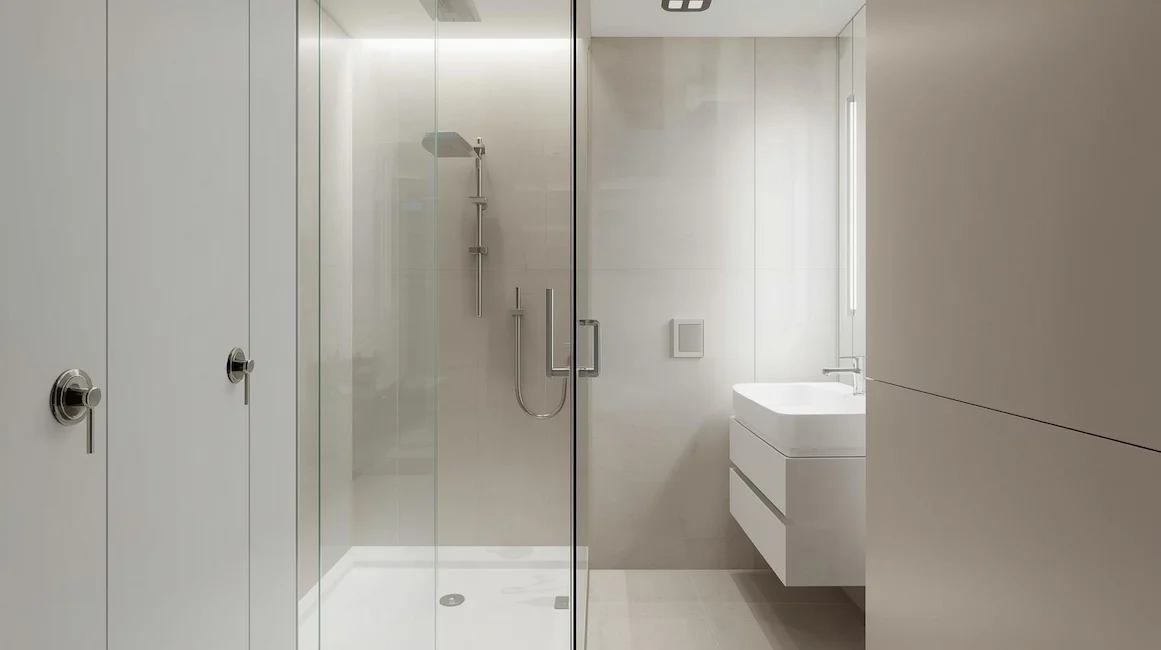
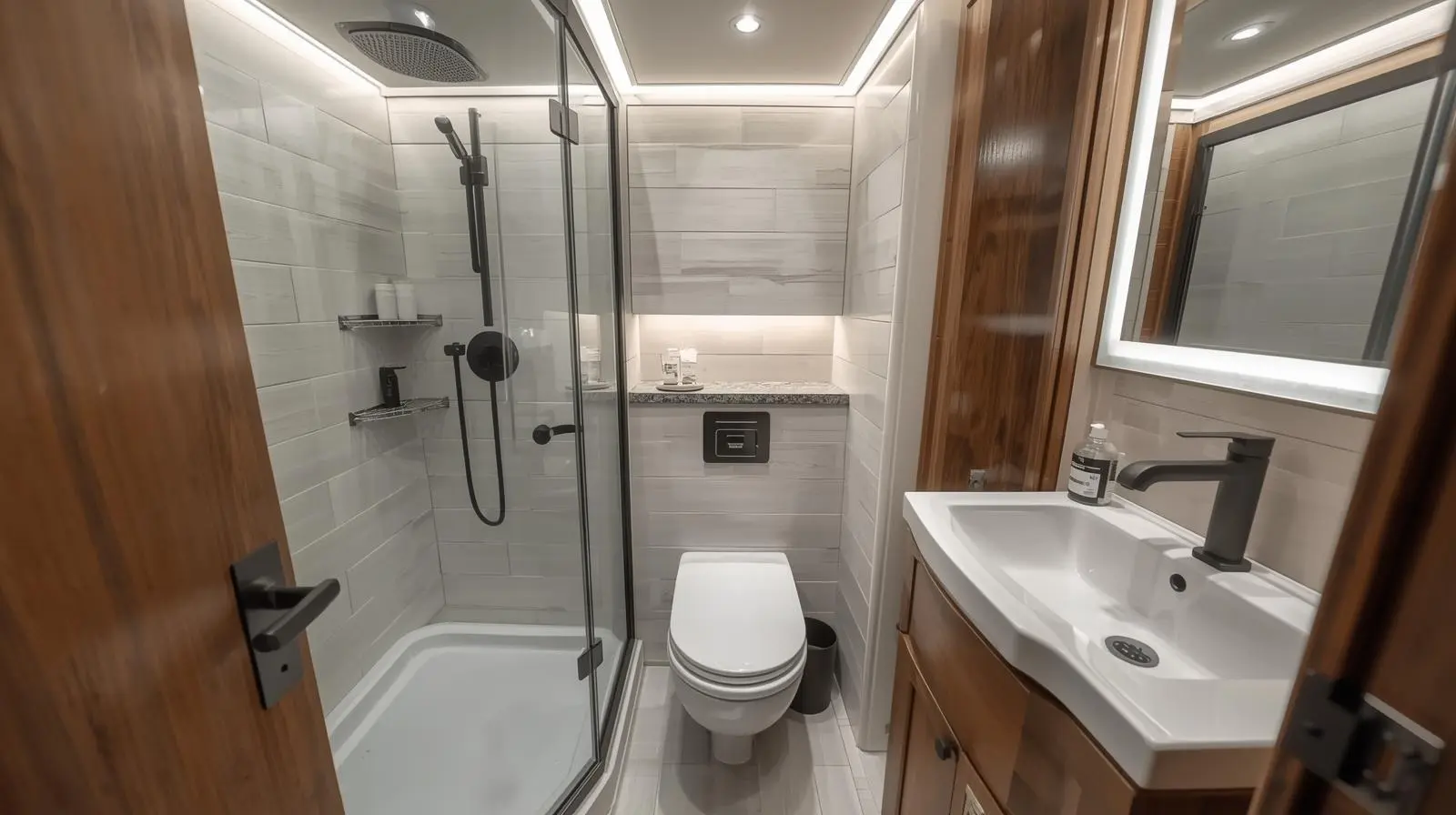
When navigating home listings or planning a renovation, understanding what a 3/4 bath entails can save confusion, time, and money. Simply put, a 3/4 bathroom contains three key fixtures: a toilet, a sink, and a shower, without a bathtub. The term "3/4" indicates that out of the four standard full bathroom fixtures, sink, toilet, shower, and bathtub, the bathtub is the missing element.
This distinction matters. Whether you’re evaluating a property, preparing for resale, or designing a space-efficient bathroom, knowing exactly what a 3/4 bath includes ensures realistic expectations and accurate planning.
The Three Essential Fixtures (and What Counts)
Toilet Considerations
Toilets in a 3/4 bath need to balance comfort with space efficiency. Options include:
- Compact-Bowl Toilets: Smaller footprints that fit neatly into tight spaces without sacrificing usability.
- Wall-Mounted Toilets: Save floor space, create a modern aesthetic, and make cleaning easier.
- Corner Toilets: Ideal for oddly shaped or very small bathrooms where every inch counts.
Product Recommendation: Consider space-saving models such as compact, wall-mounted, or corner toilets.
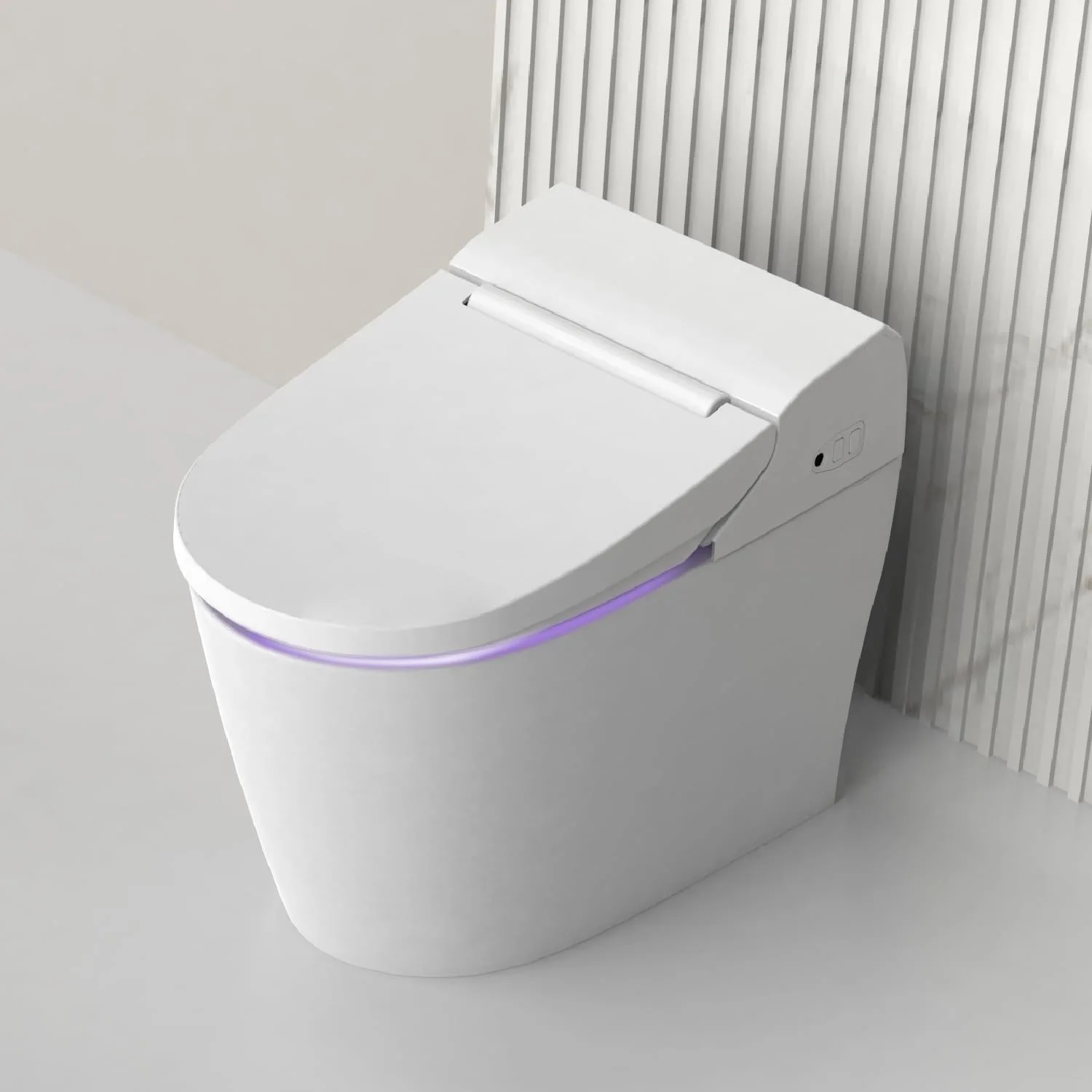
VOVO STYLEMENT TCB-8100W Smart Toilet for bathrooms, Elongated One Piece Toilet, 1.12 GPF, Auto Dual Flush, ADA Chair Height, Heated Seat
Redefine Clean, Comfort, and Convenience
The VOVO Stylement TCB-8100W Smart Bidet Toilet elevates bathroom hygiene with a complete suite of personalized, eco-friendly features. Enjoy adjustable water pressure, customizable temperature controls, and a warm air dryer designed to deliver a fresh, gentle cleanse every time. With an advanced automatic flushing system, this smart bidet toilet reduces water waste, prevents odor buildup, and offers a seamless hands-free experience. Engineered with a modern ergonomic design, the TCB-8100W brings luxury and sustainability together for a smarter, cleaner bathroom.
Luxury You Can Feel Every Day
Relax into a heated seat that keeps you warm and comfortable — especially during cold seasons. With multiple temperature levels, the seat adapts to your exact preference, making every visit more enjoyable.
Experience the comfort of a gentle warm air dryer, designed to reduce or even replace toilet paper use. The adjustable heat settings offer a soothing, personalized dry that leaves you refreshed and clean.
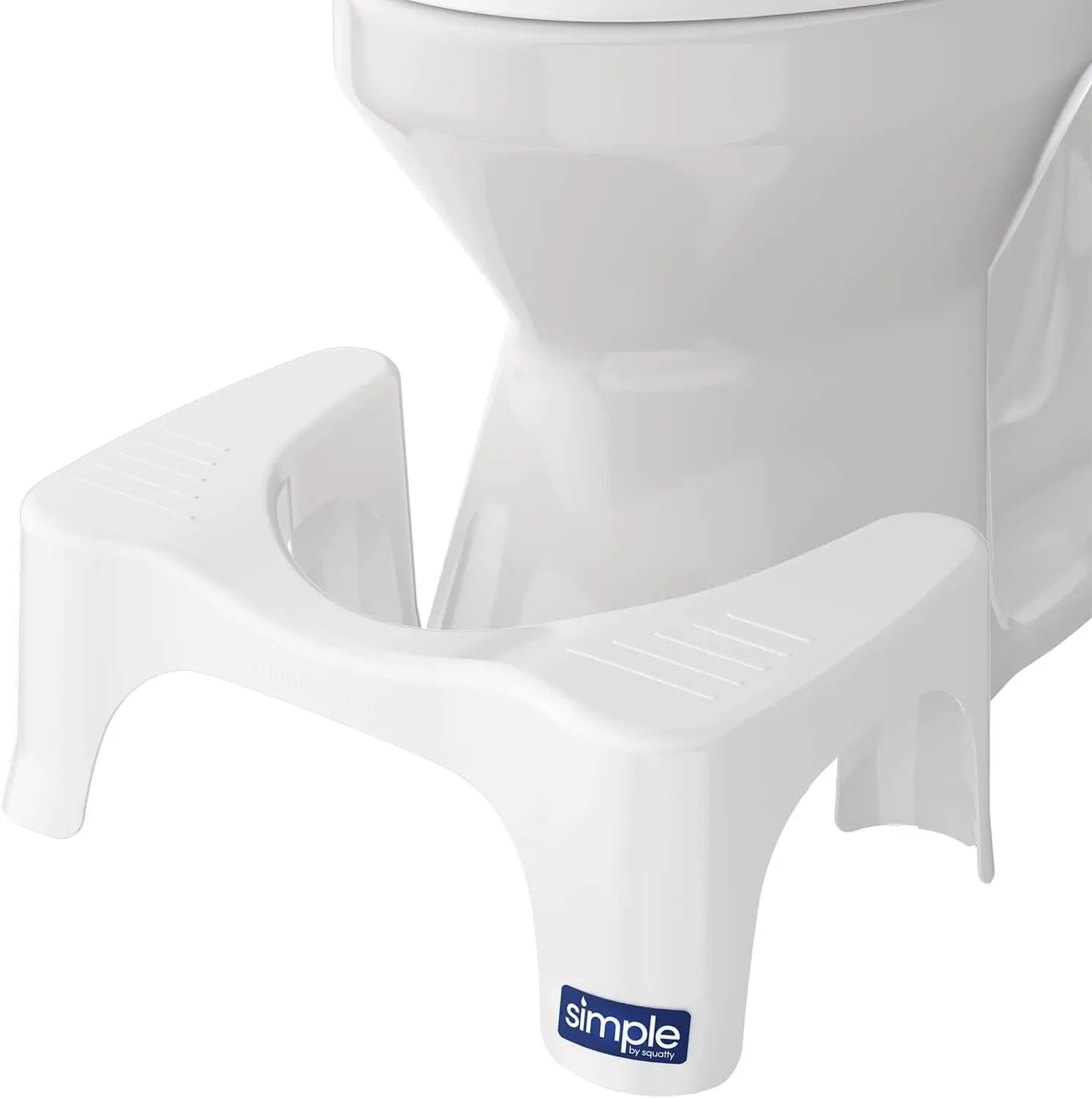
Squatty Potty Simple Curve Toilet Stool.
Human bodies are designed to eliminate more efficiently in a squat position. The Squatty Potty toilet stool gently elevates your feet to help reduce strain, improve comfort, and cut down the time you spend on the toilet.
Doctor-Recommended Posture for Better Elimination
By shifting your posture from a 90° sitting angle to a 35° squatting angle, the stool helps relax the puborectalis muscle, unkink the colon, and support a smoother, more complete bowel movement.
Perfect Size for Standard Toilets
Crafted from durable, long-lasting plastic, this toilet stool fits standard toilets 14" to 16" in height. Its clean, modern design blends seamlessly into any bathroom setup.
Simple & Comfortable to Use
Just sit, place your feet on the stool, and let your body naturally align into the ideal squatting posture. No adjustments, no learning curve—just an instantly more comfortable toilet experience.
Sink Options
Sinks also play a major role in maintaining a roomy feel in a small bathroom:
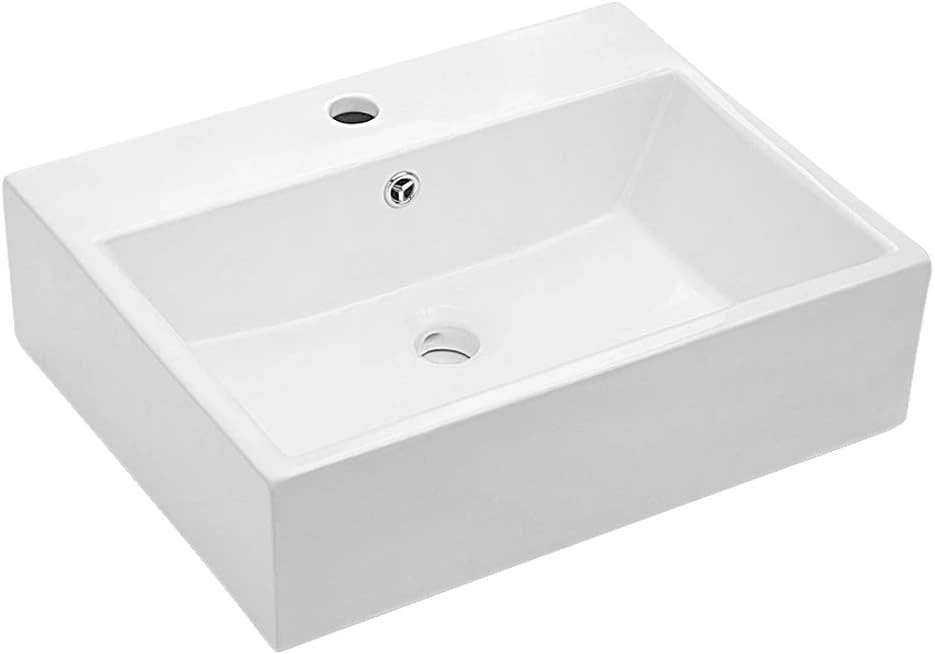
- Pedestal Sinks: Free up floor space and provide an open, airy look.
- Wall-Mounted Sinks: Offer a minimalist style while maximizing usable space underneath.
- Corner Sinks: Perfect for tight or awkward corners.
- Small Vanities: Compact vanities can provide storage without overwhelming the room.
Product Recommendation: Pedestal or wall-mounted sinks for small spaces.
Shower Solutions
A shower is the defining feature of a 3/4 bath. Smart choices include:
- Stand-Up Showers: Compact and functional, distinguishing a 3/4 bath from a full bathroom.
- Corner Shower Units: Neo-angle or quadrant showers make efficient use of space.
- Curbless Showers: Offer a modern, accessible design while visually expanding the space.
- Shower Pans/Bases: Available in various shapes and sizes to fit compact layouts.
Product Recommendation: Corner shower units (neo-angle or quadrant) and appropriately sized shower pans.
Expert Tip: Include a built-in shower niche to keep toiletries organized without encroaching on space.

High Pressure Rain Shower Head: Upgrade Shower Heads with Handheld Spray Combo with Fixed Showerhead and 10 Sprays Handheld Shower Head
Upgraded Magnetic Technology for a Better Shower Experience
This advanced shower head features a strong metal magnetic + buckle combination structure (Patent No: US011857983B2 & US12269049B1) that securely locks the handheld shower in place—far stronger than traditional magnetic systems.
Full-Body Coverage with a 12" Rainfall Shower Head
Enjoy a spa-level experience with a large 12-inch square rain shower head that delivers wide, even water coverage. Paired with a 10-setting handheld shower, you get everything from gentle mist to powerful spray. Plus, 2 additional power jet modes make cleaning pets, tubs, and bathroom walls quick and effortless.
True Rainforest Sensation at Home
Designed with 278 precision nozzles, this high-pressure rain shower head provides a smooth, relaxing rainfall flow that mimics a natural rainforest shower—perfect for unwinding after a long day.
3/4 Bath vs. Other Bathroom Types: A Clear Comparison
Understanding bathroom terminology is more than just semantics; it’s essential for homeowners, buyers, and renovators alike. Clear distinctions prevent confusion when evaluating a property, aid in accurate home valuation, and ensure that any renovation plans comply with local building codes. Mislabeling a bathroom can lead to misunderstandings about a home’s functionality, size, and overall value.
A Brief Historical Context
The terms “half bath,” “3/4 bath,” and “full bath” originated as shorthand ways to describe the number of fixtures in a bathroom, making it easier for real estate listings and architectural plans to communicate space use quickly. Over time, the 3/4 bath emerged as a practical solution for smaller homes, guest rooms, or secondary spaces, offering the essentials of a full bathroom without requiring a large footprint. Today, it’s a popular choice for modern home design, attic conversions, basements, and other areas where maximizing functionality is key.
Side-by-Side Bathroom Comparison
|
Bathroom Type |
Fixtures Included |
Common Use Cases |
Space Requirements (General) |
|
1/4 Bath |
Single fixture (e.g., toilet or sink only) |
Rare; often found in older homes, commercial settings, or specialized spaces |
Minimal (~15–20 sq ft) |
|
1/2 Bath (Powder Room) |
Toilet, Sink |
Guest bathrooms on main floors, small spaces like hallways or under stairs |
Small (~20–30 sq ft) |
|
3/4 Bath |
Toilet, Sink, Shower |
Basements, guest rooms, attic conversions, pool houses, small apartments, secondary bedrooms |
Moderate (~30–45 sq ft) |
|
Full Bath |
Toilet, Sink, Shower, Bathtub |
Master bathrooms, family bathrooms, primary bathing facilities |
Largest (~40+ sq ft) |
This table provides a general overview of how bathrooms are classified and where they typically fit within a home’s layout. Regional variations in space standards may apply, but the functional distinctions remain the same: a 3/4 bath offers more than a powder room without the space demands of a full bathroom, making it a highly versatile solution.
Why Choose a 3/4 Bath? The Benefits and Advantages
Maximizing Space and Functionality
For many homeowners, a full bathroom simply isn’t feasible due to space constraints. This is where the 3/4 bath shines as a smart space solution. Including a toilet, sink, and shower without the footprint of a bathtub, it provides more functionality than a powder room while fitting comfortably into compact areas.
- Space-Saving Solution: Perfect for basements, attic conversions, guest suites, or small apartments, a 3/4 bath makes every square foot count.
- Added Convenience: Busy mornings are easier to manage with an extra shower, and guests enjoy a private space without disturbing the main bathroom.
- Smart Space Concept: It’s not just a compromise; it’s a strategic way to maximize utility in smaller homes or specific areas, turning previously underused spaces into fully functional bathrooms.
Boosting Home Value and Marketability
Adding a bathroom, even a 3/4, can have a noticeable impact on your home’s value.
- Increased Property Value: Homes with additional bathrooms consistently sell for more. According to real estate data, adding a bathroom can increase resale value by approximately 10–20% depending on the market, especially in areas where extra bathrooms are in high demand.
- Enhanced Marketability: A 3/4 bath makes your home appealing to a wider range of buyers, from growing families to those looking for comfortable guest accommodations.
- Resale Value Insights: Starter homes benefit from added functionality, while luxury homes gain flexibility for secondary suites or poolside bathrooms. Buyers often perceive a 3/4 bath as a practical, space-efficient upgrade rather than a luxury.
Before & After Examples: Many homeowners have successfully converted closets, small storage areas, or underused corners into functional 3/4 baths, adding tangible value and visual appeal.
Enhanced Convenience and Guest Utility
Beyond resale value, a 3/4 bath provides immediate, everyday benefits:
- Guest Accommodations: Offers visitors privacy and comfort without using the family’s main bathroom.
- Specialized Utility: Ideal for pool houses, mudrooms, or home gyms, giving residents and guests a convenient place to clean up without taking over primary bathrooms.
In short, the 3/4 bath is a versatile, practical, and value-boosting addition for any home. It solves space challenges, improves convenience, and enhances your property’s appeal, all without the commitment of a full-sized bathroom.
Weighing the Downsides: Cons & Considerations of a 3/4 Bath
While 3/4 baths are versatile and space-efficient, they are not without limitations. Understanding these considerations ensures the design meets your household’s needs and avoids future frustrations.
No Bathtub: A Key Limitation
The most obvious trade-off in a 3/4 bath is the absence of a bathtub.
- Family Needs: Homes with young children may require a bathtub for easier bathing.
- Personal Preference: Many homeowners enjoy a bathtub for relaxation or aesthetic reasons, and some buyers expect it as a standard feature.
- Audience Pain Point: If having a bathtub is essential for your lifestyle or resale expectations, a 3/4 bath may not be the ideal solution.
Suitability as a Primary Bathroom
A 3/4 bath is generally better suited as a secondary bathroom rather than the main family or master bath.
- Secondary Role: It works best in guest suites, basements, or secondary bedrooms where a shower-only setup suffices.
- Lifestyle Impact: Consider whether a shower-only bathroom accommodates the daily needs of all household members before committing to it as a primary facility.
Practical Space Limitations
Although compact designs are its strength, a 3/4 bath can feel cramped if poorly planned.
- Cramped Feel: Insufficient layout planning or excessively small dimensions can reduce comfort and usability.
- Accessibility: While some designs are mobility-friendly, small footprints may pose challenges for users with limited mobility.
Where a 3/4 Bath Shines: Ideal Locations & Use Cases
Basement Conversions
- Finished Basements: Adds a bathroom to guest suites, entertainment zones, or home offices without sacrificing main-floor space.
- Increased Livability: Transforms underused basements into functional, appealing living areas.
Guest Rooms & In-Law Suites
- Private Facilities: Enhances comfort and privacy for overnight visitors.
- Multi-Generational Living: Perfect for in-law apartments or households with multiple generations.
Attic Conversions & Small Apartments
- Maximizing Unique Spaces: Efficiently utilizes sloped ceilings, nooks, or awkward corners in attic remodels.
- Urban Living: Provides a compact, functional bathroom solution in city apartments or studios where every square foot matters.
Pool Houses & Mudrooms
- Outdoor Convenience: Offers a shower for rinsing after swimming or outdoor activities.
- Clean-Up Zone: Ideal in mudrooms, giving a practical area to wash off before entering the main living spaces.
Design Challenges & Solutions
Certain spaces come with unique challenges, such as a lack of natural light or irregular shapes. Solutions include installing skylights or curbless corner showers, choosing wall-mounted fixtures, and optimizing storage with built-in niches, ensuring comfort and usability without compromising design.
Designing Your 3/4 Bath: Space Requirements & Layout Considerations
A well-designed 3/4 bath balances functionality with space efficiency. Proper planning ensures comfort, safety, and compliance with building codes while making the most of limited square footage.
Minimum Dimensions and Clearances
To function properly, a 3/4 bath requires attention to both overall size and fixture placement.
- General Guidelines: Most functional 3/4 bathrooms range between 30 and 45 square feet, depending on layout and fixture sizes.
- Fixture Clearances: Adequate clearance around the toilet, sink, and shower is essential for comfort and code compliance. Typical recommendations include at least 21 inches in front of the toilet, 15–18 inches from the centerline to walls or other fixtures, and 30 inches of clear space for shower entrances.
- According to the International Residential Code (IRC) and many local municipal codes, these clearances are minimum requirements to ensure safe use and proper plumbing access.
- Expert Tip Smart Fixture Placement: Prioritize functionality over squeezing too many features into a small space. Even a few extra inches around the toilet or sink can dramatically improve comfort.
Efficient Layout Strategies
Optimizing a compact bathroom requires a thoughtful arrangement of fixtures.
- Linear Layouts: Placing all fixtures along one wall can simplify plumbing and is especially effective in narrow spaces.
- Corner Utilization: Corner showers and sinks make efficient use of otherwise underused space, freeing up room for movement.
- Door Swings: Traditional swinging doors can reduce usable floor space.
- Expert Tip – Sliding or Pocket Doors: Installing a sliding or pocket door eliminates the intrusion of door swings, enhancing flow and usability in tight spaces.
Visual Planning Tools
Interactive visuals can help homeowners better understand layout options and experiment with fixture placement before committing to a design.
Explore 3/4 Bath Layout Configurations

Ideal for tight spaces like hallways. This linear arrangement places all fixtures along one wall, maximizing flow in narrow areas. Perfect for converting closets or under-stair spaces.

Maximizes square footage by utilizing corners efficiently. The shower or toilet is often placed in the corner, freeing up wall space for storage and creating a more open feel.

The most space-efficient solution. All fixtures are on a single wall, minimizing plumbing complexity. Great for small master suites or main floor additions where space is premium.
Visualize Your Own Layout
RoomSketcher
An excellent tool for creating detailed 2D and 3D floor plans. Experiment with fixture placement, dimensions, and finishes to see what works best for your space.
Try RoomSketcherPlanner 5D
A user-friendly tool perfect for homeowners. Drag and drop elements to understand spatial relationships and create a realistic 3D model of your future bathroom.
Explore Planner 5DBudgeting for Your 3/4 Bath: Cost Implications & ROI
Adding a 3/4 bath is a smart investment, but understanding the costs upfront helps prevent surprises and ensures a balanced budget.
Factors Influencing Renovation Costs
Several elements affect the total expense of a 3/4 bath installation or remodel:
- Fixture Quality: Basic toilets, sinks, and showers are affordable, while high-end, designer fixtures can significantly increase the budget. Choosing durable, mid-range options often balances style and cost.
- Labor Costs: Plumbing, electrical work, and general contracting are key expenses. Skilled labor ensures proper installation but can vary depending on region and project complexity.
- Structural Changes: Moving walls, installing new plumbing lines, or reinforcing floors can sharply increase costs. Planning around existing layouts can help minimize these expenses.
- Finishes: Standard tiles, paint, or laminate surfaces are more economical than premium materials like natural stone or custom cabinetry. Finishes can dramatically influence both budget and aesthetic appeal.
- Pain Point: Hidden costs, such as unforeseen plumbing issues or additional electrical upgrades, can push budgets higher. Planning a contingency fund is wise.
Realistic Budget Overview
Here’s a general idea of what to expect when adding or renovating a 3/4 bath:
- Basic Installation: A minimal setup with standard fixtures and finishes can cost between $5,000–$10,000, depending on region and labor.
- Mid-Range Renovation: Upgraded fixtures, modest design enhancements, and quality finishes typically run $10,000–$20,000.
High-End Project: Custom layouts, premium materials, and extensive remodels can exceed $20,000–$35,000.
Realistic Budget Overview
Get a clear understanding of what to expect when adding or renovating a 3/4 bath. Use our interactive calculator for a personalized estimate.
- Standard Fixtures
- Basic Finishes
- Minimal Plumbing Changes
- Stock Vanity & Toilet
- Upgraded Fixtures
- Quality Materials
- Custom Vanity
- Design Enhancements
- Improved Lighting
- Custom Layout
- Premium Materials
- High-End Fixtures
- Heated Flooring
- Custom Storage Solutions
Get Your Personalized Cost Estimate
Your Estimated Project Cost
This estimate is based on a mid-range renovation in a medium cost region. Your final cost may vary based on specific materials, labor rates, and project complexities.
Get a Detailed QuoteExpert Tip Don’t Skimp on Plumbing: Quality plumbing and professional installation are crucial. Cutting corners can lead to costly repairs later, especially in tight or hard-to-access spaces.
Long-Term Investment Perspective
Beyond immediate utility, a 3/4 bath can provide strong long-term value:
- ROI Analysis: Adding a bathroom, even a 3/4, can significantly enhance property value, particularly in markets where extra bathrooms are in high demand. Buyers see additional functionality as a major advantage.
- E-E-A-T Consideration: According to real estate experts, adding a bathroom can increase home value by 10–20%, depending on market conditions and location. A well-designed 3/4 bath offers a cost-effective way to maximize both space and financial return.
In short, careful planning and informed budgeting allow a 3/4 bath to deliver both functional benefits and measurable property value, making it a worthwhile investment for homeowners.
Maximizing Appeal: Impact on Home Value & Resale
Adding a 3/4 bath is not just about convenience; it can also be a strategic move to increase your home’s market appeal and overall value.
Appraisal and Market Appeal
A well-designed, functional bathroom can positively influence a home’s appraisal.
- Positive Appraisal: Appraisers often consider the number of bathrooms when evaluating property value. Adding a 3/4 bath can enhance the perceived utility of the home, especially in smaller houses or secondary suites.
- Competitive Edge: In competitive real estate markets, a home with additional functional bathrooms stands out. A 3/4 bath can differentiate your property, making it more attractive to prospective buyers.
- Audience Pain Point: Many homeowners worry about making the wrong renovation choice. Investing in a space-efficient bathroom that meets everyday needs mitigates this risk by appealing to a broader range of buyers.
Appealing to Potential Buyers
Beyond appraisal, a 3/4 bath improves practical living for residents and guests:
- Guest-Friendly Homes: Provides private facilities for overnight visitors, enhancing comfort and convenience. Homes designed for multi-generational living or frequent guests particularly benefit.
- Functional Living: Busy families or individuals appreciate the added flexibility. A shower in a secondary location can streamline morning routines and reduce congestion in primary bathrooms.
- Expert Tip – Future-Proofing for Resale: Stick to neutral colors, classic fixtures, and timeless finishes. Avoid overly personalized designs that may limit appeal to future buyers.
Credibility and Expert Insights
Integrating professional perspectives strengthens trust in your renovation choices:
- E-E-A-T Consideration: According to Sarah Lee, a licensed real estate agent in [Local Market], “Adding a 3/4 bath in a secondary suite or guest area can yield a significant ROI, particularly in homes with limited existing bathrooms.”
- Differentiation Opportunity – Expert Interviews: Quotes from plumbers, contractors, or architects can provide practical insights on installation, maintenance, and cost efficiency, giving readers a well-rounded view of the value a 3/4 bath offers.
In short, a 3/4 bath can enhance both the functional and financial appeal of a home, making it a smart addition for homeowners looking to improve daily living and strengthen resale potential.
Smart Design for Small Spaces: Ideas & Solutions
Designing a 3/4 bath in a compact area requires creativity and smart planning. The right combination of color, lighting, fixtures, storage, and ventilation can make a small bathroom feel functional, bright, and visually spacious.
Color Palettes & Lighting Tricks
- Light Colors: Use light-colored tiles and paint to create an airy, open feel. Soft neutrals, pastels, or white tones visually expand the room.
- Strategic Lighting: Incorporate overhead lights, wall sconces, and vanity lighting to illuminate every corner. Proper lighting enhances both functionality and ambiance.
- Mirrors:
- Large Mirrors: Reflect light and create an illusion of depth, making the bathroom appear larger.
- Recessed Medicine Cabinets with Mirrors: Combine storage with reflective surfaces for dual functionality.
- Large Mirrors: Reflect light and create an illusion of depth, making the bathroom appear larger.
- Expert Tip – Light Colors & Mirrors: Pair light-colored finishes with strategically placed large mirrors to significantly expand perceived space and brightness.
Fixture Selection for Compact Areas
- Wall-Mounted & Corner Fixtures: Ideal for saving floor space while maintaining comfort.
- Compact Shower Stalls: Neo-angle, quadrant, or curbless showers fit small footprints without compromising usability.
- Unique Content Element – Fixture Compatibility Checker: An interactive quiz could help users identify the best compact fixtures for their specific space and style preferences.
Storage & Organization Solutions
- Vertical Storage: Use wall-mounted shelving, tall narrow cabinets, or open shelving above the toilet.
- Recessed Options: Recessed medicine cabinets and shower niches provide hidden storage without taking up space.
- Under-Sink Storage: Even small vanities can offer essential storage for toiletries and cleaning supplies.
- Expert Tip – Maximize Vertical Space: Keeping the floor clear and using vertical storage creates a more open feel and simplifies cleaning.
Image suggestion: Creative vertical storage solutions in a small bathroom
Ventilation and Moisture Control
- Importance of Ventilation: Small bathrooms, especially windowless ones, need proper airflow to prevent mold, mildew, and humidity-related damage.
- Exhaust Fans: Invest in high-quality fans, ideally with humidity sensors for automatic moisture control.
- Moisture-Resistant Materials: Use tiles, paints, and sealants specifically designed for high-humidity environments.
- Expert Tip – Prioritize Ventilation: Effective airflow is critical for long-term durability and health in compact bathrooms.
- Product Recommendation: Moisture-resistant building materials, high-quality exhaust fans, and humidity-aware ventilation systems.
Functionality First
While aesthetics are important, a 3/4 bath should prioritize practical functionality. Durable, easy-to-clean materials, smart layouts, and efficient storage solutions ensure the bathroom remains comfortable and usable day after day.
- Real-world examples, including high-quality photographs or case studies of actual 3/4 bath renovations, demonstrate practical design principles and inspire confidence in the recommended strategies.
solutions
Navigating Regulations: Building Codes and Permits
Adding or renovating a 3/4 bath requires more than design and budgeting; it also involves understanding and complying with local building codes and permit requirements. Ignoring these regulations can lead to costly mistakes, safety risks, or issues when selling your home.
Understanding Local Requirements
Building codes vary widely depending on your municipality and state, so it’s essential to check local rules before beginning any project.
- Key Areas of Regulation: Codes typically cover minimum bathroom dimensions, fixture clearances, ventilation requirements, electrical safety, and plumbing standards. Compliance ensures your bathroom is both functional and safe.
- Expert Tip – Check Local Building Codes: Always verify regulations for minimum dimensions, ventilation, and fixture placement before starting construction. This prevents costly rework and legal issues down the line.
- E-E-A-T Consideration: Refer to authoritative sources like the International Residential Code (IRC), local municipal codes, or planning department websites to ensure your project meets all safety and structural requirements.
The Permit Process
Proper permits are a critical part of any bathroom renovation:
- Why Permits are Necessary: Permits guarantee that your project adheres to safety and structural standards. Inspectors confirm proper plumbing, electrical work, and ventilation.
- Consequences of Non-Compliance: Working without permits can result in fines, forced demolition, or future problems when selling your home. Non-compliance may also affect insurance coverage if issues arise.
- Steps to Obtain a Permit: The general process includes submitting an application, providing detailed plans, scheduling inspections at key stages, and receiving final approval once the work meets code.
Product Recommendation: Consult reputable plumbing fixture catalogs for compact and code-compliant options. Choosing fixtures that meet local standards can simplify approvals and ensure a smooth permit process.
By understanding regulations and obtaining the necessary permits, homeowners can avoid delays, fines, and future complications, ensuring a safe, functional, and legally compliant 3/4 bath.
Conclusion: Is a 3/4 Bath Right for Your Home?
Decision-Making Framework
A 3/4 bath offers a smart balance between functionality and space efficiency. By definition, it includes a toilet, sink, and shower, without a bathtub, making it ideal for secondary bathrooms, guest suites, or compact living areas. The benefits are clear: it maximizes limited space, adds convenience for residents and guests, and can increase property value. At the same time, homeowners should weigh key considerations, such as the absence of a tub, potential design challenges, and the importance of thoughtful layout and ventilation.
To decide if a 3/4 bath is right for your home, assess your specific needs, available space, budget, and lifestyle. Consider how often you need additional showers, whether the space will serve guests or family, and how it aligns with your long-term plans. This self-assessment helps eliminate uncertainty and gives confidence in your decision.
Final Recommendations and Next Steps
Consulting professionals is essential. Licensed contractors, plumbers, architects, and real estate agents can provide personalized guidance on layout, fixture selection, building codes, and potential ROI. Their expertise ensures your project is functional, compliant, and valuable.
Actionable Call to Action: Ready to explore the potential of a 3/4 bath for your property? Contact a local home renovation expert or real estate professional today to discuss your vision and ensure a successful project.