



What is a Close-Coupled Toilet? Your Complete Guide to Benefits, Types & Buying Tips
November 21, 2025
What is a 3/4 Bath? Your Essential Guide to This Smart Space-Saving Bathroom Solution
November 25, 2025
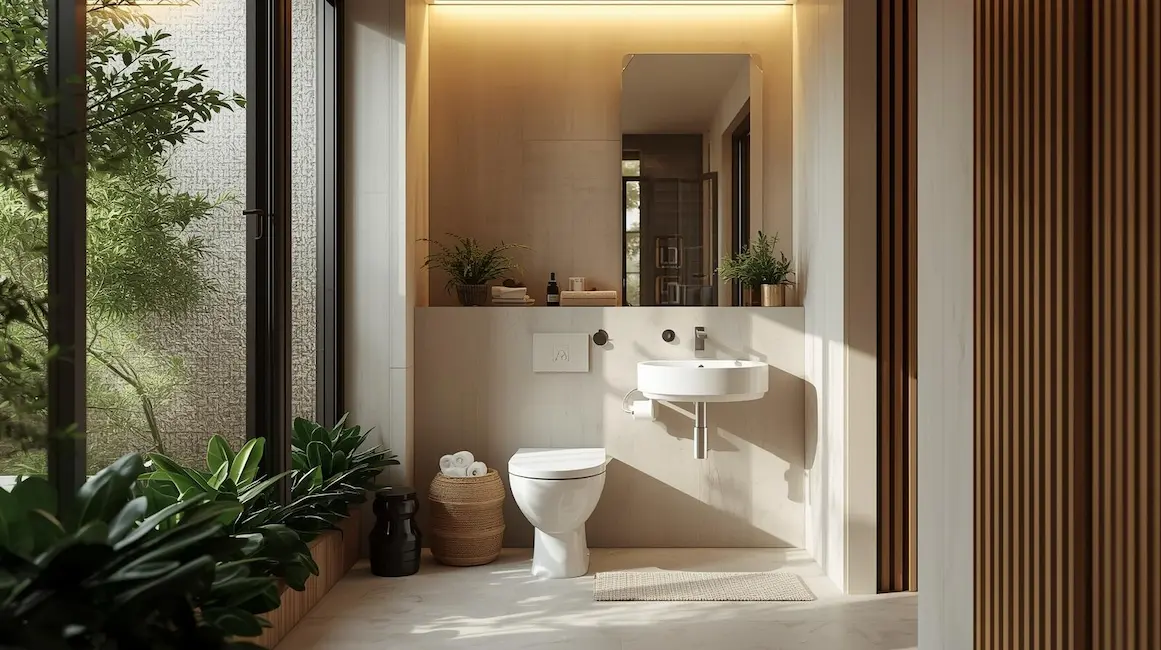
The Modern Solution for Small and Sustainable Bathrooms
If you’re always wrestling with a tight bathroom layout, trying to squeeze in a sink without giving up precious floor space, you’re not alone. Many homeowners deal with the same problem, especially in small apartments, powder rooms, and compact homes. Add rising water costs and growing concerns about waste, and the struggle becomes even more frustrating.
Now picture a single fixture that tackles both challenges at once. A design that saves space, cuts water use, and makes your bathroom feel more efficient. That’s exactly what a toilet with a built-in sink offers. It collects the water you use for handwashing and reuses it for flushing, giving you a practical and eco-friendly solution in one compact unit.
In this guide, you’ll learn how these toilet-sink combinations work, the real advantages they offer, where they may fall short, and the key features to consider before buying one. You’ll also get clear, unbiased insights to help you decide whether this smart fixture is the right fit for your home.
What Is a Toilet with a Sink on Top? (How It Works Explained)
A toilet with a sink on top is a compact, all-in-one fixture designed to save space and reduce water use. The sink is built directly into the top of the toilet tank, so when you wash your hands, the water flows straight into the tank instead of going down the drain. It’s a simple idea that solves two problems at once: limited room and unnecessary water waste.
If this were a visual guide, this is where you’d see a clear diagram showing the sink, faucet, tank, and water path, labeled so you can understand how each part functions.
How the Greywater System Works
The real magic behind this fixture is its ability to reuse water safely. Here’s the step-by-step flow:
- When you turn on the tap, clean water enters the small sink basin that sits on top of the tank.
- After you wash your hands, the water drains directly into the toilet tank instead of running into the waste pipe.
- This used but still relatively clean water, often called greywater, stays in the tank and becomes the supply for your next flush.
- If the sink hasn’t been used enough to fill the tank, the system automatically tops it up with fresh water, just like a standard toilet would.
- Some models include simple filtration or screens to catch debris, though many rely on the natural separation that happens inside the tank.
Greywater reuse is a common and safe practice supported by general plumbing and environmental guidelines. The idea is straightforward: handwashing water is clean enough for flushing, and redirecting it reduces overall consumption without changing your hygiene routine.
Key Benefits of Installing a Toilet-Sink Combo
A toilet-sink combo brings together smart engineering and practical everyday use, making it a standout upgrade for small and environmentally conscious homes. Here’s a closer look at why this fixture has become so popular.
Significant Water Savings and Environmental Impact
One of the biggest advantages is the reduction in water use. A standard toilet can use anywhere from 1.6 to 3 gallons per flush. With a combo unit, the water from handwashing replaces a portion of that clean water. Over the course of a day, this can save several gallons. Over a year, that adds up to thousands of gallons that would have otherwise gone straight down the drain.
The average household flushes multiple times a day, and redirecting greywater makes a noticeable difference. Environmental agencies and water conservation groups support greywater practices because they help ease demand on municipal systems. Less water use means lower treatment costs, reduced energy consumption, and a smaller overall environmental footprint.
If you want to increase savings even more, you can pair the toilet-sink combo with low-flow faucets, shorter handwashing times, and mindful bathroom habits. Together, these steps make your bathroom significantly more efficient than a traditional setup.
Maximizing Space in Small Bathrooms
This fixture is a practical solution for tight bathrooms where every inch matters. By combining the sink and toilet into one vertical unit, you free up space that would normally be taken by a separate vanity or pedestal sink. This makes it a smart choice for powder rooms, half-baths, tiny homes, RVs, and compact apartments.
It also fits naturally into a complete small-space design plan. Pair it with wall-mounted shelves, slim storage cabinets, and light colors to make the room feel more open. A side-by-side comparison of a traditional bathroom layout versus one with a combo fixture would easily show how much space you can gain.
Improved Hygiene and Convenience
The layout encourages immediate handwashing right after flushing, which helps maintain better hygiene. Since the sink is built into the toilet, there’s no need to walk across the room dripping water on the floor. This is especially helpful in busy households or shared bathrooms where cleanliness matters.
It also becomes a convenient routine: flush, wash, and you’re done without moving from one fixture to another. This small improvement often leads to better habits, particularly for kids or guests who might skip handwashing when a sink isn’t within arm’s reach.
Potential Financial Savings on Water Bills
Lower water use doesn’t just benefit the environment. It can also reduce your utility bills. If your area has higher water rates, the savings can add up over the course of a year. Over five to ten years, the reduced consumption often offsets a good portion of the fixture’s initial cost.
A complete financial view includes purchase price, installation, and long-term savings. Some homeowners even see a small improvement in property appeal because sustainable features are increasingly valued by buyers. In areas where water is expensive, these savings are even more noticeable.
Aesthetics and Modern Design
Beyond the practical side, many toilet-sink combos come in clean and modern designs. They tend to look sleek and can match a variety of styles, from minimalist to contemporary. Because the sink is integrated so neatly into the tank, the whole unit creates a streamlined look that works well in updated bathrooms.

space saving bathroom fixtures
Potential Drawbacks and Important Considerations
A toilet-sink combo offers clear advantages, but it’s important to understand where it may fall short so you can make an informed decision. Here are the main points to keep in mind.
Limited Sink Size and Functionality
The built-in sink is usually small and designed only for quick handwashing. It’s not meant for anything that requires a deeper or wider basin, like washing clothes, rinsing larger items, or filling buckets. Because the basin is shallow, there’s also a chance of minor splashing if you turn the faucet on too strongly or move your hands too quickly. Most people adjust to it easily, but it’s something to be aware of before committing.
Aesthetic Concerns and Design Integration
Some models have a more utilitarian look, and a few people worry that the design might appear unusual. That concern often fades once the unit is installed because the compact size and clean lines fit well in small spaces. Many homeowners who were unsure at first end up liking the modern simplicity. Matching it with your current decor can be a challenge in traditional or ornate bathrooms, but in contemporary spaces, it usually blends in well.
A lot of hesitation comes from misconceptions. Many assume the fixture looks awkward or feels unhygienic, but users consistently report that it functions like a normal sink and toilet, just with a smarter layout. Once people understand how the greywater system works, most of those fears disappear.
Water Pressure for the Sink
The faucet typically provides enough pressure for handwashing, but it may not be as strong as a regular bathroom sink. This is because the flow is designed to match the tank’s refill process. It’s not a deal-breaker for most users, but it helps to know what to expect. If you like forceful water pressure, this setup may feel different from what you’re used to.
Initial Installation Complexity
Installation can be a bit more involved than swapping out a standard toilet. Integrated units sometimes require small plumbing adjustments, especially if the water line or shutoff valve isn’t in an ideal position. A professional plumber can handle the process quickly and make sure the system functions properly. This is especially important for fully integrated models that rely on precise water flow and sealing.
Maintenance and Cleaning Nuances
Because you’re combining two fixtures, you’ll need to be mindful of cleaning both the sink and the tank area. Mineral buildup can appear around the faucet or inside the diverter mechanism that directs water into the tank. A quick cleaning routine keeps everything running smoothly. Wiping down the faucet and sink regularly and making sure the water inlet stays clear will help prevent clogs and maintain good flow.
Compatibility Issues, Especially for Retrofit Kits
If you’re considering a retrofit kit rather than a complete toilet-sink unit, make sure it fits your existing toilet model. Not all tanks are shaped the same, and small differences in size or design can affect performance. Taking careful measurements and reading product specifications is essential. A well-matched kit works smoothly, but an incompatible one can lead to leaks, poor water flow, or an unstable fit.
Types of Toilet-Sink Combos: Integrated vs. Retrofit Kits
Toilet-sink combos come in two main styles: fully integrated units and retrofit kits. Each offers different advantages depending on your budget, bathroom layout, and renovation goals.
Fully Integrated Units
An integrated toilet-sink combo is purpose-built as a single fixture. The sink is part of the toilet design, giving it a smooth, cohesive look. These units are generally more attractive and enhance the bathroom’s overall style. They’re ideal for new builds, full remodels, or anyone who wants a polished, seamless appearance. Because they involve more complex plumbing connections, installation is usually handled by a professional.
Recommended Model: Caroma Profile 5 Toilet with Integrated Hand Basin
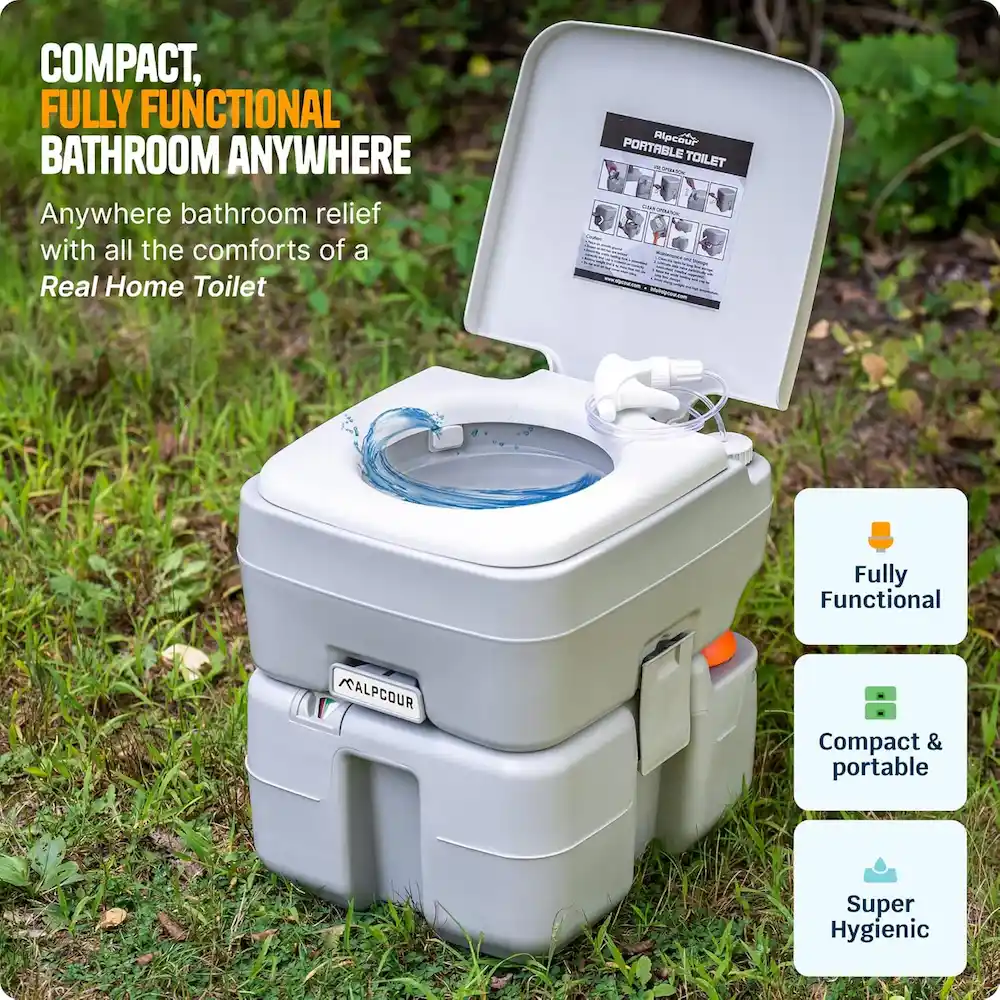
Alpcour Portable Toilet – Compact Indoor & Outdoor Commode w/Travel Bag for Camping, RV, Boat – Piston Pump Flush
Skip emergency bathroom runs while camping, boating, RVing, or traveling. This compact, fully functional portable toilet offers real-home comfort anywhere, anytime, making outdoor trips easier and stress-free.
50+ POWERFUL FLUSHES PER FILL The built-in piston pump delivers strong, splash-free flushing with no plumbing or hookups needed. Features a 5.3-gallon waste tank and 3.2-gallon fresh water tank, giving you more uses and fewer emptying trips.
COMFORTABLE & DURABLE DESIGN
EASY TO CLEAN & ODOR-CONTROLLED A 360° rinsing sprayer keeps the bowl spotless, while the rotating spout ensures hygienic dumping. Includes a waste level indicator, anti-leak drain valve, and tight seals that lock in liquids and odors for maximum cleanliness.
TRAVEL-READY & ECO-FRIENDLY
A UNIQUE & PRACTICAL OUTDOOR GIFT .
CLEAN, HYGIENIC & ALWAYS READY Ideal for both indoor and outdoor use. A smart choice for parents, grandparents, girlfriends, and families who want comfort and hygiene wherever they go from campsites to road trips to emergency home backup.
Retrofit Kits
Retrofit kits are separate sink attachments that sit on top of an existing toilet tank. They’re budget-friendly and popular with DIY enthusiasts because they don’t require major plumbing changes. They’re great for renters, homeowners looking for a quick upgrade, or anyone who wants water savings without replacing the entire toilet. Most kits can be installed with basic tools and a little patience.
Recommended Models:
• SinkTwice Toilet Top Sink
• SinkPositive GreenFlow Toilet Tank Sink

Sink Twice For Glacier Bay Two Piece Dual Flush Toilet Tank Comes w/Dual Flush Button
Save thousands of gallons of water every year with this smart toilet-top sink system. Designed as a utility sink that sits directly on your toilet tank, it lets you wash your hands with the clean water used for refilling the tank recycling water with every flush.
MADE IN THE USA WITH DURABLE ABS MATERIAL Proudly manufactured in the USA from high-quality, long-lasting ABS plastic. This sink-top cover is specifically engineered for compatibility with Glacier Bay Dual-Flush and Project Source Pro Dual-Flush two-piece top-button toilets.
SMART DESIGN WITH BUILT-IN FAUCET & DUAL FLUSH BUTTONS – Features an integrated faucet, mini sink basin, and two flush buttons. After each flush, the toilet’s refill valve redirects water through the faucet so you can wash your hands. Your hand washing grey water is then reused for the next flush—an eco-friendly closed-loop system.
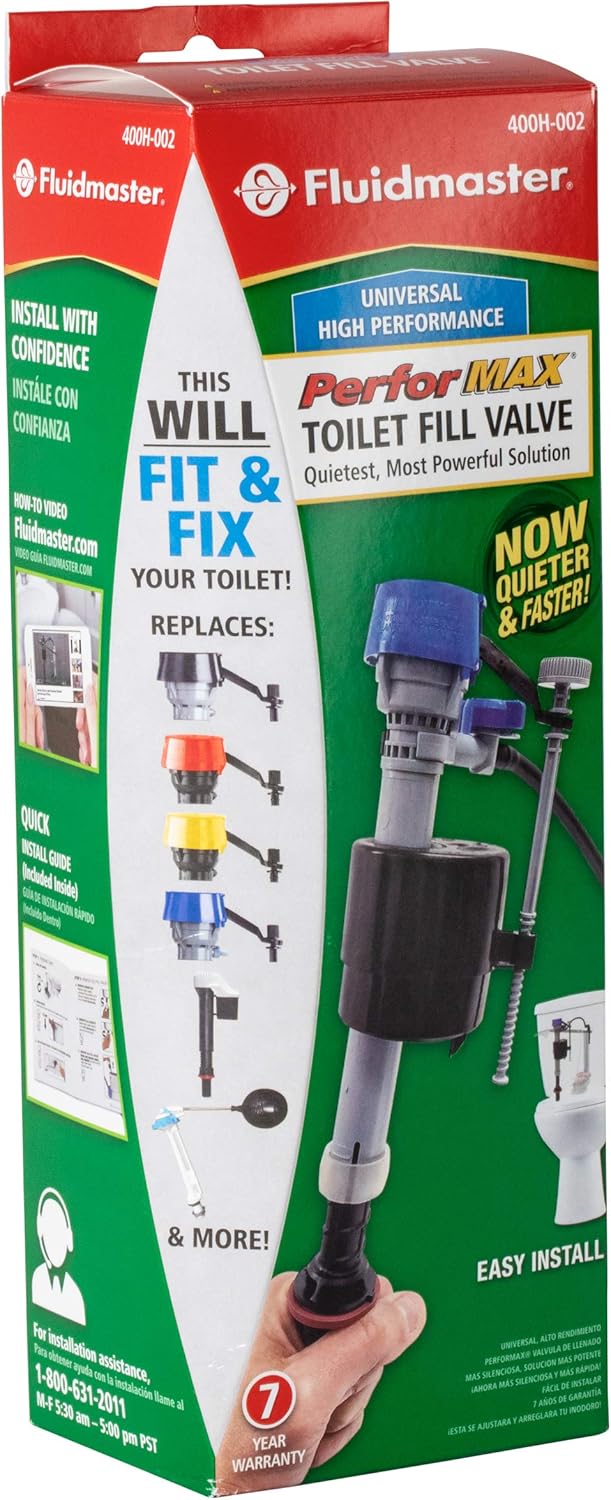
Fluidmaster 400H-002 Performax Universal Toilet Fill Valve High Performance Tank and Bowl Water Control, 1-Pack, Multicoloured
Restore performance instantly with one of the quietest, most powerful fill valves available. Ideal for repairing noisy refills, long tank fill times, or inconsistent flushing.
QUICK & EASY INSTALLATION – Designed for DIY homeowners. Comes with clear, step-by-step instructions so you can replace your old fill valve in minutes no professional plumber required.
UNIVERSAL FIT FOR MOST TOILETS Engineered to be compatible with the majority of toilet brands and models, making it a reliable all-purpose replacement fill valve for homes, rentals, and renovations.
CUSTOMIZABLE WATER LEVELS FOR A PERFECT FLUSH Built-in adjustment dials allow you to fine-tune both tank and bowl water levels to save water and improve flush efficiency. Features an EZ-Twist height adjustment from 9" to 14" to fit more tank sizes.
Who Should Consider a Toilet-Sink Combo? (Ideal Use Cases)
A toilet-sink combo isn’t only for cramped spaces. It fits into several lifestyles and home types.
Homeowners with Small Bathrooms or Powder Rooms
If floor space is tight, this fixture creates room you didn’t think you had. Powder rooms, guest bathrooms, and compact en-suites all benefit from having one less fixture competing for space.
Tiny Home and Apartment Dwellers
Small living spaces require smart planning. These combos reduce clutter and support a minimalist lifestyle. They help make everyday routines smoother without sacrificing functionality.
Environmentally Conscious Individuals
Anyone committed to sustainable living will appreciate the built-in greywater recycling. It’s a practical way to reduce water waste without changing your routine. Pairing it with other green upgrades makes your bathroom even more efficient.
DIY Enthusiasts and Budget-Minded Renovators
Retrofit kits provide an easy and affordable way to improve a bathroom without extensive labor. They offer quick results and can be installed without major tools or professional help.
Rental Property Owners
These fixtures give tenants something practical and modern. They also appeal to renters who value sustainability and efficient design. In some markets, eco-friendly upgrades can boost property appeal and long-term value.
Choosing the Right Toilet-Sink Unit: A Buyer’s Guide
Selecting the right model comes down to balancing cost, performance, and design. Here’s what to look at before making a purchase.
Budget and Cost Analysis
Integrated systems cost more upfront, while retrofit kits are more affordable. Installation affects cost as well. DIY installation saves money, but professional work ensures long-term reliability. When you factor in water bill savings over five to ten years, many homeowners see meaningful financial returns. Sustainable features can also add appeal to your property if you plan to rent or sell.
Material and Durability
Most models come in porcelain, ceramic, or acrylic. Porcelain and ceramic tend to be more durable and easier to clean. Acrylic is lightweight but may scratch over time. When comparing options, look at warranties and long-term wear tests from manufacturers to understand how the materials hold up.
Design and Aesthetics
Choose a style that fits your bathroom. Integrated units look cleaner and more modern, while retrofit kits have a more practical appearance. Consider the overall look of your bathroom and pick a shape and finish that complements your decor.
Water Efficiency (GPF Ratings)
Look for toilets with low GPF ratings, such as 1.28 or even 1.0 gallons per flush. Efficiency certifications are helpful when comparing models. They ensure the fixture meets established standards for reduced water consumption.
Sink Dimensions and Functionality
Consider how the sink feels to use. Look at depth, width, faucet placement, and whether the design minimizes splashing. Some models include overflow drains or splash guards, which are helpful in small bathrooms.
Ease of Installation
If you’re comfortable with basic plumbing tasks, a retrofit kit can be a manageable DIY project. Integrated models require more effort and are best left to licensed plumbers. Before buying, measure your space and review your plumbing layout to choose a unit that fits without complications.
Local building rules matter too, so it’s smart to check whether this type of fixture meets your area’s plumbing requirements.
Warranty and Customer Support
A good warranty offers peace of mind and protects your investment. Look for brands with strong customer service, clear support channels, and long-term coverage. This becomes important if you ever need replacement parts or troubleshooting help.
Top Toilet-Sink Combo Products and Retrofit Kits
This roundup compares leading models that help save space and cut water use. Specs and features are based on manufacturer pages, retailer listings, and product documentation. Prices can vary by region and retailer, so consider these ranges approximate.
Product Comparison Table
|
Product Name |
Type |
Sink Dimensions (W x D) |
Toilet Flush (GPF) |
Key Features |
Pros |
Cons |
Est. Price Range |
Where to Buy |
|
SinkTwice Toilet Top Sink |
Retrofit |
Approx. 15" x 8" |
N/A (uses existing tank) |
Universal fit, adjustable design, plastic ABS construction |
Affordable, DIY-friendly, water-saving immediately |
Smaller basin, basic look, plastic feel |
$100–$150 |
|
|
SinkPositive GreenFlow Toilet Tank Sink |
Retrofit |
Adjustable 16.5"–22.5" x 8" |
N/A (uses existing tank) |
Built-in soap dispenser, improved faucet |
Better aesthetics than basic retrofits, easy maintenance |
May not fit older tank lids, faucet height limitations |
$120–$180 |
|
|
Caroma Profile 5 Toilet w/ Integrated Hand Basin |
Integrated |
Approx. 15.5" x 8.5" |
1.28 / 0.8 GPF dual flush |
Premium ceramic, WELS 5-star design, built for efficiency |
High-end look, strong water savings, durable |
Higher cost, professional install needed |
$800–$1200 |
|
|
Saniflo Sanicompact 2 |
Integrated |
Approx. 19.5" x 10" |
1.0 GPF |
Macerating pump, compact design, no gravity drain needed |
Ideal for basements or additions, installs where normal plumbing isn’t possible |
Requires a power outlet, more noise, and model-specific maintenance |
$1000–$1500 |
Detailed Reviews and Expert Analysis
SinkTwice Toilet Top Sink (Retrofit)
SinkTwice remains one of the most accessible retrofit kits. It fits most standard tanks and uses adjustable ABS plastic to sit securely on the toilet. It’s simple to install, usually without tools. The basin is shallow, so it’s ideal for handwashing but not much more.
What Stands Out:
It allows immediate water recycling and is one of the most budget-friendly ways to upgrade an existing bathroom.
Pros: Affordable, universal fit, beginner-friendly.
Cons: A basic design, and the plastic basin doesn’t feel premium.
Best For: Renters, small bathrooms, and anyone who wants water savings without a full remodel.
SinkPositive GreenFlow Toilet Tank Sink (Retrofit)
GreenFlow is a step up in both design and functionality. The built-in soap dispenser and adjustable fit make it convenient for daily use. This model is also larger than some entry-level options.
What Stands Out:
A stronger focus on hygiene with integrated soap and a better-shaped faucet.
Pros: Better looking than most retrofit kits, simple installation, adjustable length.
Cons: Some older tank lids don’t fit well, and the faucet height may cause a splash for fast-running taps.
Best For: Homeowners wanting a cleaner, modern look without replacing the toilet.
Caroma Profile 5 Toilet with Integrated Hand Basin (Integrated)
Caroma’s Profile 5 is one of the most recognized integrated systems. The hand basin sits directly above a high-efficiency dual-flush cistern. According to Caroma, the flush rating is around 4.5/3 liters (roughly 1.28/0.8 GPF), placing it among the most efficient options.
What Stands Out:
A beautifully engineered solution that combines design, durability, and real water savings.
Based on dual-flush standards, households can save thousands of gallons yearly using greywater instead of clean water for flushing, depending on usage.
Pros: Premium materials, long-lasting, excellent performance.
Cons: Higher cost and not suited for DIY installation.
Best For: High-quality renovations, eco-forward homeowners, and small modern bathrooms.
Saniflo Sanicompact 2 (Integrated)
Sanicompact 2 is a unique option because it doesn’t rely on gravity plumbing. Instead, it uses a macerating pump, allowing placement in basements or anywhere far from main drainage. This opens possibilities for adding half baths where standard plumbing would be too expensive.
What Stands Out:
The ability to install a bathroom where it isn’t normally possible.
Pros: Compact, flexible installation, efficient 1.0 GPF system.
Cons: Requires electricity, can be louder than standard toilets, and has specific maintenance steps.
Best For: Basement bathrooms, attic conversions, tiny homes, and additions.
Water Savings and Longevity
Paired with greywater reuse, even a simple retrofit kit can help reduce water use. A typical handwash uses about half a gallon, which replaces an equal amount of flushing water in these systems. EPA data shows standard toilets use about 1.6 gallons per flush, so reusing even a fraction can help lower total consumption.
Integrated units like Caroma or Saniflo also deliver strong savings because of their low GPF ratings.
Durability varies by model:
- Integrated models with ceramic construction often last 10–20 years or more.
- Retrofit plastic kits are less durable but still practical for long-term use if maintained.
Warranty and Support
- Caroma models often include long-term warranties, with some listings showing up to 20 years for ceramics.
- SinkPositive and SinkTwice offer lifetime or extended warranties on their retrofit units.
- Saniflo offers product-specific warranties depending on the model and region.
Strong warranty coverage is especially important for macerators and mechanical components, so always review terms before purchasing.
Installation Guide: DIY vs. Professional (What to Expect)
Installing a toilet-sink combo can be straightforward with the right preparation, but the approach differs depending on whether you’re using a retrofit kit or a fully integrated unit. Here’s a clear guide on what to expect.
Pre-Installation Checklist
Before you start, make sure you have all the necessary tools:
- Adjustable wrench
- Pipe sealant tape
- Hacksaw (if adjustments are needed)
- Water flow meter
- Moisture detector
Also, always shut off the main water supply and drain the toilet tank completely. This prevents leaks and accidents during installation. Finally, check local plumbing codes to ensure your installation is compliant.
DIY Installation (Retrofit Kits)
Retrofit kits are designed for easier, DIY-friendly installation. A typical step-by-step approach looks like this:
- Remove the existing toilet tank lid.
- Position the retrofit sink unit on top of the tank, aligning the faucet and drain holes.
- Connect the water supply line to the new faucet.
- Attach the drain line from the sink to the tank, following the kit’s instructions.
- Secure the unit and replace the tank lid if required.
- Turn the water back on and check for leaks.
- Test the sink and flush functionality.
Visual guides, with step-by-step photos highlighting key connection points, can be extremely helpful to ensure accuracy.
A DIY difficulty and cost estimator is also useful: retrofit kits generally cost $100–$200, and installation is manageable for most handy homeowners. Integrated units, however, usually require professional installation and higher upfront costs.
When to Call a Professional Plumber
For integrated units or more complex setups, professional help is recommended. Scenarios that usually require a plumber include:
- Installing new water lines or adjusting drains
- Handling heavier, fully integrated units
- Modifying plumbing for unusual bathroom layouts
Professional installation guarantees proper function, compliance with building codes, and long-term reliability. Licensed plumbers can also advise on avoiding common pitfalls and maintenance issues.
Post-Installation Checks
Once installed, perform thorough checks:
- Inspect all connections for leaks immediately and after a few hours of use.
- Test flush performance and sink functionality.
- Use high-quality plumber’s tape on threaded connections to reduce the risk of leaks.
Maintenance, Cleaning & Troubleshooting Tips
Proper care ensures your toilet-sink combo stays efficient, hygienic, and long-lasting. Here’s a comprehensive guide to routine maintenance, cleaning, and troubleshooting.
Routine Cleaning of the Sink & Toilet
Daily and weekly cleaning is essential to prevent buildup and keep both the sink and toilet looking and functioning their best.
- Daily: Wipe the sink basin and faucet to remove soap residue and prevent water spots.
- Weekly: Use a mild, non-abrasive cleaner to clean the sink, toilet bowl, and tank surfaces. Avoid harsh chemicals that can damage ceramic, plastic, or metal components.
Expert Tip: Pay special attention to the diverter mechanism (if your model has one) to prevent clogs and maintain smooth water flow. Keeping this area free of debris will ensure consistent greywater recycling for flushing.
Preventing Common Issues
- Mineral Buildup: Hard water can cause limescale in the faucet or tank. Regular descaling with a safe solution helps maintain optimal flow.
- Water Flow & Pressure: Check the supply line for kinks or blockages and ensure the aerator on the faucet is clean.
- Water Quality: While greywater is safe for flushing, the sink water is potable. Ensure your household water is suitable for handwashing.
Expert Tip: Even minor adjustments, like cleaning faucet aerators or checking diverter connections, can prevent larger plumbing issues over time.
Basic Troubleshooting
- Low Sink Water Pressure: Check the faucet aerator for debris or mineral buildup. Inspect the supply line for kinks or leaks.
- Toilet Not Flushing Properly: Ensure the diverter mechanism is clear and the tank is filling correctly. Check for obstructions in the drain.
Leaks: Identify the source connections, seals, or faucet base and apply plumber’s tape or tighten fittings as needed.
Insights from licensed plumbers highlight that regular minor maintenance prevents major repairs and ensures reliable performance over the unit’s lifespan.
Longevity & Part Replacement
- Expected Lifespan: With proper care, ceramic toilets can last 15–20 years, while faucets and diverters may need replacement every 5–10 years, depending on usage and water quality.
- Replacement Parts: Faucets, diverters, and other components are typically available through the manufacturer or plumbing suppliers. Keep model numbers handy when sourcing parts.
FAQ
Conclusion: Is a Toilet with a Sink on Top Your Ultimate Bathroom Solution?
A toilet with a sink on top offers a smart, practical approach for modern bathrooms. By combining space-saving design with water efficiency, it addresses common challenges in small bathrooms while promoting better hygiene and potential cost savings.
- Space Efficiency: Frees up floor space, ideal for powder rooms, tiny homes, or compact apartments.
- Water Conservation: Reuses hand washing water for flushing, reducing daily water consumption.
- Hygiene & Convenience: Encourages immediate hand washing after use, minimizing drips and spills.
- Financial Savings: Lower water bills over time, with long-term cost benefits for households and property owners.
Consider whether this solution fits your needs by asking yourself:
- Do you have a small bathroom or half-bath where space is at a premium?
- Is water conservation a priority in your home?
- Are you open to modern, innovative bathroom fixtures?
- Have you accounted for installation requirements, costs, and potential design changes?
Use the insights, product comparisons, and expert tips in this guide to make an informed choice. Whether you’re a DIY enthusiast, a small-space homeowner, or an eco-conscious renovator, this information equips you to decide if a toilet-sink combo aligns with your lifestyle and values.
Explore best products