



Have you ever thought about how much time you actually spend in your bathroom, and how much that space affects the way you start and end each day? According to real estate experts, a well-designed bathroom is also one of the top features that can significantly boost a home’s resale value. Yet many homeowners still treat it as an afterthought rather than a space that deserves careful planning and attention.
A modern bathroom today is far more than a room with a sink and a shower. It is a personal retreat where you unwind after a long day, a reflection of your style, and a smart investment in your property. From clean lines and smart storage to durable materials and thoughtful lighting, the right choices can turn an ordinary bathroom into a space that feels calm, comfortable, and timeless. This guide is designed to help you look beyond trends and understand what truly makes a bathroom both beautiful and practical.
By the end of this guide, you will have expert-level insights into every stage of the process. You will learn how to plan your layout, choose fixtures that balance style and performance, make the most of available space, and select materials that stand up to daily use. Most importantly, you will gain the confidence to make informed decisions that result in a bathroom built to last, adding lasting comfort to your life and long-term value to your home.
Why Invest in a Modern Bathroom? The Benefits Beyond Aesthetics
A modern bathroom is often seen as a visual upgrade, but its real value goes much deeper. When designed thoughtfully, it improves how you live day to day, strengthens your home’s market appeal, and supports healthier, more sustainable habits. Here’s why investing in a modern bathroom is one of the smartest home improvements you can make.
Enhanced Functionality and Comfort
A well-planned bathroom makes everyday routines smoother and more enjoyable. When everything has its place and flows logically, you spend less time dealing with clutter and more time enjoying the space.
Modern bathrooms focus on comfort and ease of use. Smart storage solutions keep toiletries organized and out of sight, while ergonomic fixture placement reduces unnecessary movement and strain. Simple changes like wider vanity drawers, wall-mounted cabinets, or a well-positioned shower niche can make a noticeable difference. The result is a bathroom that works with you, not against you, from rushed mornings to relaxed evenings.
Increased Home Value and Appeal
Bathroom renovations consistently rank among the top home improvements for return on investment. Studies in the real estate industry show that homeowners can recoup around 60 to 70 percent of their bathroom remodel costs when selling their property, with mid-range renovations often delivering the best value.
Beyond numbers, an updated bathroom strongly influences buyer perception. Potential buyers are drawn to clean, modern spaces that feel move-in ready. An outdated bathroom can raise concerns about maintenance and future costs, while a modern one signals care, quality, and long-term value. Even if you are not planning to sell soon, this upgrade adds immediate appeal and future flexibility.
Energy Efficiency and Sustainability
Modern bathrooms are designed with efficiency in mind. Water-saving fixtures such as low-flow toilets and high-efficiency showerheads reduce water usage without sacrificing performance. Over time, these choices lower utility bills while conserving a valuable resource.
Energy-efficient LED lighting provides bright, consistent illumination using less power, and modern ventilation systems improve air circulation while consuming less energy. If you are interested in compact and eco-conscious solutions, you can explore options like a toilet with an integrated sink, which maximizes space and reuses water effectively. You can learn more in our guide on Toilet with Sink on Top: Your Definitive Guide to Space-Saving and Eco-Friendly Bathrooms.
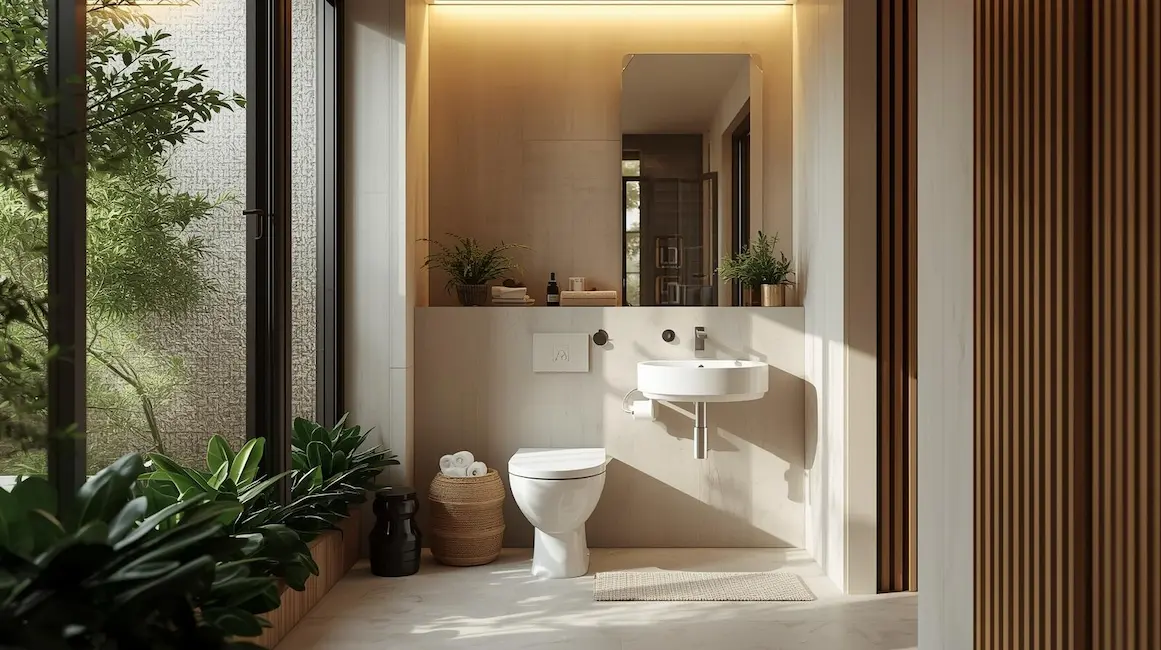
Toilet with Sink on Top
Improved Health and Hygiene
A modern bathroom also supports better health and hygiene. Updated materials and finishes are easier to clean and less likely to harbor bacteria, grime, or odors. Seamless surfaces, wall-hung fixtures, and quality grout reduce the effort needed to maintain a fresh environment.
Improved ventilation plays a key role as well. Proper airflow helps control moisture, preventing mold and mildew that can affect both your health and your home’s structure. Together, these upgrades create a cleaner, healthier space that feels good to use every day.
Investing in a modern bathroom is not just about style. It is about comfort, value, efficiency, and well-being, all working together in one of the most important spaces in your home.
Planning Your Modern Bathroom Renovation: The Essential First Steps
A successful bathroom renovation starts long before any tiles are laid or fixtures are installed. Careful planning helps you avoid costly mistakes, keeps the project on track, and ensures the final result matches both your lifestyle and your budget.
Defining Your Vision and Budget
Before you think about products or contractors, get clear on what you want your bathroom to feel like. An effective way to do this is by creating a simple mood board. Collect images, colors, textures, and layouts that reflect the style you are drawn to, whether that’s clean minimalist lines, a calming spa-like retreat, or a bold industrial look. This visual reference keeps your decisions consistent throughout the project.
At the same time, set realistic financial expectations. Bathroom renovations can vary widely in cost depending on size, materials, and labor. Common expenses usually include fixtures, tiles, cabinetry, plumbing, electrical work, waterproofing, and labor. It is also wise to set aside a contingency fund, typically around 10 to 15 percent of your budget, to cover unexpected issues such as hidden water damage or outdated wiring.
2.2 Space Assessment and Layout Considerations
Understanding your existing space is critical. Start by measuring everything accurately, including wall lengths, ceiling height, door swings, and window placement. These details directly affect what fixtures and layouts are possible.
Next, consider structural and technical limitations. Load-bearing walls, plumbing lines, and drainage points can restrict how much you can move major elements like toilets, sinks, and showers. While changes are possible, they can significantly increase costs and complexity. This is where thoughtful layout planning makes a big difference. Visual tools, such as before-and-after layout diagrams, can help you see how small adjustments in placement can improve flow, storage, and overall usability without major structural changes.
Legal and Permitting Requirements
Many homeowners overlook this step, but permits and code compliance are essential for a smooth renovation. Permits are commonly required when you make changes to plumbing, electrical systems, ventilation, or structural elements. Even if the work seems minor, skipping permits can lead to fines, delays, or problems when selling your home later.
Building codes are designed to ensure safety, proper ventilation, and water efficiency. Requirements vary by location, so it is important to check with your local authorities before work begins. For peace of mind and compliance, consult a licensed contractor or qualified professional who understands local regulations and can handle permits correctly. Their expertise not only protects your investment but also ensures your new bathroom meets all safety and quality standards.
By defining your vision, understanding your space, and addressing legal requirements early, you set a strong foundation for a modern bathroom renovation that runs smoothly and delivers lasting results.
Key Bathroom Fixtures and Components: Making Informed Choices
Choosing the right fixtures is where your bathroom truly comes to life. These decisions affect how the space looks, feels, and performs every single day. From comfort and efficiency to durability and style, informed choices here will shape your long-term satisfaction.
Toilets: Efficiency, Style, and Comfort
Modern toilets have come a long way from basic, one-size-fits-all designs. Today’s options focus on water efficiency, user comfort, and clean aesthetics. Dual flush systems allow you to choose between a full or reduced flush, helping conserve water without compromising performance. Comfort height toilets, which sit slightly higher than standard models, are easier on the knees and more comfortable for many users.
For those looking to elevate the experience, bidet seats and integrated bidet toilets offer improved hygiene and convenience. Features like heated seats, adjustable water pressure, and soft-close lids are becoming increasingly popular in modern homes.
Close-Coupled Toilets: A Popular Choice
Close-coupled toilets remain one of the most popular options for modern bathrooms. In this design, the cistern is directly attached to the toilet bowl, creating a compact and visually cohesive look. This makes them suitable for both small and large bathrooms.
One of the key benefits is ease of cleaning. With fewer gaps and exposed pipes, there are fewer places for dust and grime to collect. Their straightforward installation and wide range of styles also make them a practical and cost-effective choice.
If you want a deeper understanding of styles, features, and buying considerations, explore The Complete Guide to Close Coupled Toilets: Choosing the Best for Your Home and Bathroom. For a clear explanation of how they work and why they’re so widely used, see What is a Close-Coupled Toilet? Your Complete Guide to Benefits, Types, and Buying Tips.

Close-Coupled Toilet
Space-Saving and Eco-Friendly Options
For smaller bathrooms or minimalist designs, wall-hung toilets are an excellent solution. By mounting the bowl to the wall and concealing the cistern, they free up floor space and create a clean, modern look. This also makes floor cleaning much easier.
Innovative designs that combine sustainability and space efficiency are also gaining attention. Toilets with an integrated sink on top reuse handwashing water for flushing, reducing water waste and maximizing functionality. You can learn more about these smart solutions in Toilet with Sink on Top: Your Definitive Guide to Space-Saving and Eco-Friendly Bathrooms.
Showers: Creating Your Personal Oasis
The shower is no longer just a functional corner of the bathroom. It is often the focal point and a place to relax and recharge. From simple setups to fully customized experiences with body jets, rainfall heads, and digital controls, modern showers can be tailored to your preferences and daily routine.
Shower Windows: Light, Privacy, and Waterproofing
Natural light can completely transform a shower, making it feel more open and inviting. A well-placed shower window brings in daylight and improves ventilation, reducing moisture buildup.
Privacy does not have to be compromised. Frosted glass, textured finishes, and smart glass options allow light in while keeping visibility out. Proper waterproofing is essential to prevent leaks and long-term damage. For detailed guidance, refer to The Ultimate Guide to Choosing Shower Windows: Balancing Light, Privacy and Bulletproof Waterproofing. For a deeper focus on protecting your bathroom from water damage, see The Ultimate Guide to Waterproofing a Shower Window: Preventing Leaks, Preserving Beauty and Ensuring Longevity. If you enjoy hands-on projects, The Ultimate DIY Guide to Waterproofing a Shower Window Like a Pro offers practical steps.
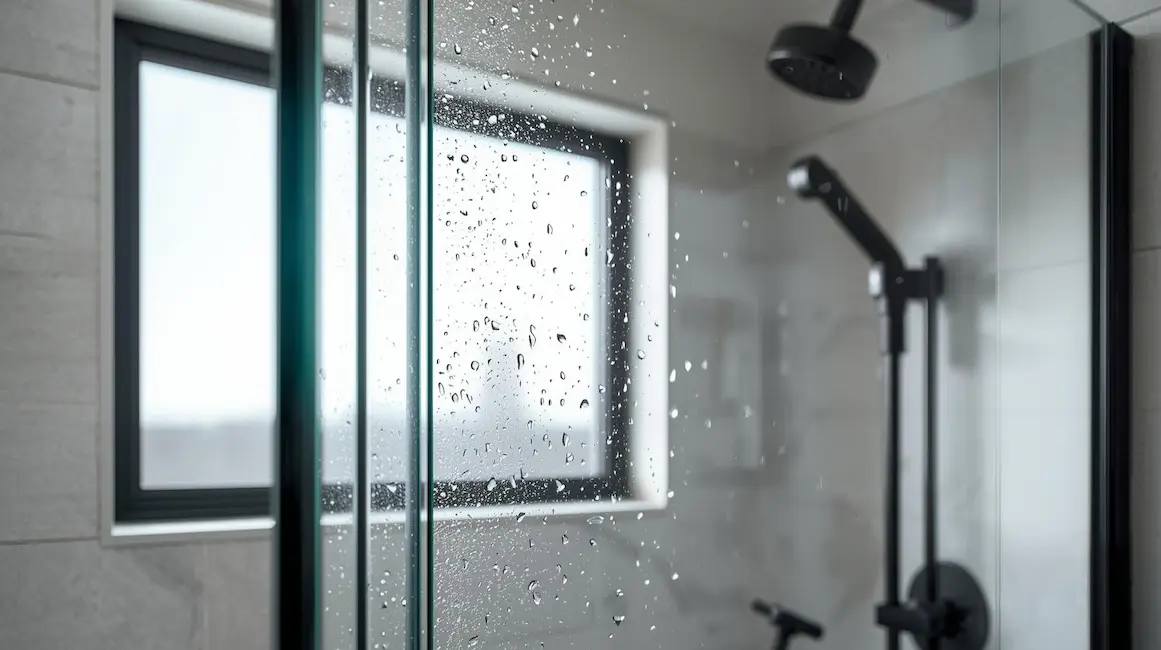
Waterproofing a Shower Window: Preventing Leaks, Preserving Beauty
Shower Pans and Bases: Foundation for Functionality
The shower base plays a critical role in safety and durability. Acrylic and fibreglass pans are lightweight, affordable, and easy to install, making them popular for standard renovations. Tile-ready bases allow for a fully custom look while ensuring proper drainage and waterproofing beneath the surface.
For accessibility and modern design, barrier-free shower pans are an excellent option. These create a seamless entry with no curb, improving safety and visual flow. Learn more in The Ultimate Guide to Barrier-Free Shower Pans and Bases Design, Installation, and Top Product Reviews for Seamless Accessibility.
Shower Head Height and Types
Proper shower head height is essential for comfort. While standard installations work for many households, personalized adjustments can make a big difference, especially for taller users or multi-user bathrooms. For detailed standards and compliance considerations, see The Ultimate Guide to Shower Head Height Standard Measurements, Custom Solutions, and ADA Compliance.
In terms of style, rainfall shower heads offer a relaxing, spa-like feel. Handheld models add flexibility and are ideal for families and cleaning. Multi-function systems combine different spray patterns for a customized experience.
Sinks and Vanities: Style Meets Storage
Sinks and vanities set the tone for your bathroom’s design while providing essential storage. Pedestal sinks offer a classic, space-saving option but limited storage. Vessel sinks make a bold statement and pair well with modern or artistic designs. Integrated sinks provide a seamless, easy-to-clean surface that works well in contemporary bathrooms.
Vanity styles range from floating designs that create a light, open feel to freestanding and fully custom units. Smart storage solutions like deep drawers, built-in organizers, and pull-out trays help keep essentials tidy and accessible. A visual comparison, such as a collage of different sink and vanity styles, can be helpful when narrowing down your options.
Bathtubs: Relaxation and Resale Value
Bathtubs add a sense of luxury and can boost resale appeal, especially in family homes. Freestanding tubs create a dramatic focal point, while alcove and drop-in tubs are practical and space-efficient. Material choice matters, with acrylic offering affordability and warmth, cast iron delivering durability and heat retention, and solid surface tubs providing a high-end, modern finish.
Expert tip: If space is limited and soaking baths are not part of your lifestyle, a spacious walk-in shower may be a better investment. In some markets, this choice aligns better with buyer preferences and daily practicality.
By carefully selecting each fixture and component, you ensure your modern bathroom is not only visually appealing but also comfortable, efficient, and built to serve you well for years to come.
Essential Considerations for a Durable and Long-Lasting Bathroom
A beautiful bathroom means very little if it does not hold up over time. Durability comes from smart material choices, correct installation, and attention to details that protect the space from moisture, wear, and daily use. These core considerations help ensure your bathroom stays functional, safe, and visually appealing for years.
Waterproofing and Sealing: Preventing Costly Leaks
Waterproofing is one of the most critical elements of any bathroom, especially in wet areas such as showers, tub surrounds, and floors. When done correctly, it creates a protective barrier that prevents water from seeping into walls, subfloors, and structural components. When done poorly, it can lead to mold, rot, and expensive repairs that often stay hidden until significant damage has occurred.
Modern waterproofing systems typically involve membranes, either sheet or liquid applied, that are installed beneath tiles and behind fixtures. These systems work together with proper sealing around joints, corners, and penetrations to create a continuous water-resistant envelope.
This is an area where cutting corners almost always leads to long-term problems. Waterproofing should be handled by experienced professionals or by very diligent DIYers who follow manufacturer instructions and industry guidelines exactly. Using the right tools also matters. For precise and durable sealing, selecting the correct caulking equipment is essential. Our guide, The Ultimate Guide to Caulk Guns: Find Your Perfect Tool for Flawless Sealing and Adhesion, offers helpful insights into choosing tools that support clean, long-lasting results.
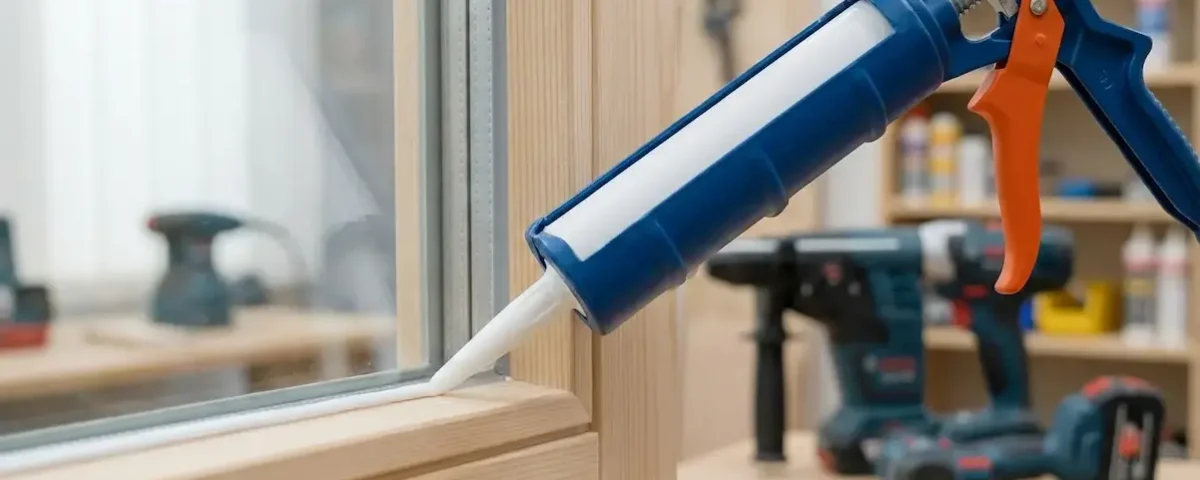
Caulk Guns Your Perfect Tool for Flawless Sealing and Adhesion
Flooring: Durability, Safety, and Style
Bathroom flooring must handle constant moisture while remaining safe and visually appealing. Porcelain tile is one of the most popular choices due to its low water absorption, high durability, and wide range of design options. Luxury vinyl flooring offers warmth underfoot, water resistance, and easier installation, making it a practical option for many homes. Natural stone delivers a premium look but requires proper sealing and regular maintenance to protect against water and stains.
Safety is just as important as appearance. Slip resistance should be a key factor when selecting flooring. Look for products with appropriate slip resistance ratings, often measured by R values. For example, an R10 rating provides moderate slip resistance suitable for bathrooms, while higher ratings offer added traction in wetter environments. Choosing the right balance of texture and finish helps reduce the risk of slips without compromising style.
4.3 Lighting: Ambiance and Functionality
Good lighting enhances the appearance and functionality of a bathroom. A layered lighting approach delivers both practicality and comfort. Ambient lighting provides overall illumination, task lighting focuses on areas like the vanity for grooming, and accent lighting highlights architectural features or design elements.
LED lighting is the preferred choice for modern bathrooms due to its energy efficiency, long lifespan, and consistent light quality. Adding dimmers allows you to adjust the mood, shifting from bright and functional in the morning to soft and relaxing in the evening. A simple diagram showing how ambient, task, and accent lighting work together can be helpful when planning your lighting layout.
Ventilation: Guarding Against Mold and Mildew
Proper ventilation is essential for controlling moisture and maintaining healthy indoor air quality. Without adequate airflow, steam from showers and baths can lead to condensation, mold growth, and damage to finishes and fixtures.
An exhaust fan helps remove excess humidity and odors, protecting both your bathroom and the rest of your home. Fan size should match the room’s square footage to ensure effective performance, and placement should be close to moisture sources for best results. Expert tip: Choose an exhaust fan with a low sone rating for quiet operation, so it does its job without disrupting the calm atmosphere of your bathroom.
By prioritizing waterproofing, choosing the right flooring, designing effective lighting, and installing proper ventilation, you build a bathroom that not only looks great but stands up to daily use and time with confidence.
Optimizing Space and Layouts for Any Bathroom Size
No matter the size of your bathroom, smart planning can make it feel more comfortable, functional, and visually balanced. The key is understanding how to use space efficiently while maintaining good flow and proper clearances.
Small Bathroom Solutions
Small bathrooms benefit the most from thoughtful design choices. Compact fixtures such as corner sinks and wall-hung toilets free up valuable floor space and create a more open feel. Wall-mounted vanities and toilets also make cleaning easier and visually reduce clutter.
Mirrored cabinets are another smart solution. They serve two purposes at once by providing storage while reflecting light and making the room feel larger. Vertical space is often overlooked, but tall cabinets, open shelving above toilets, and recessed wall niches can significantly increase storage without crowding the room. When every inch counts, using height wisely can completely change how the space functions.
Understanding Bathroom Types
Knowing the type of bathroom you are working with helps guide layout and fixture decisions. A full bath typically includes a toilet, sink, and either a bathtub or a shower. A half bath, often used as a guest powder room, includes only a toilet and sink and focuses more on style than long-term comfort.
A 3/4 bath is a smart middle ground. It includes a toilet, sink, and shower but no bathtub, making it ideal for smaller homes, guest suites, or basement conversions. This layout saves space while still offering full functionality. For a detailed breakdown of benefits and layout ideas, see What is a 3/4 Bath? Your Essential Guide to This Smart Space-Saving Bathroom Solution.
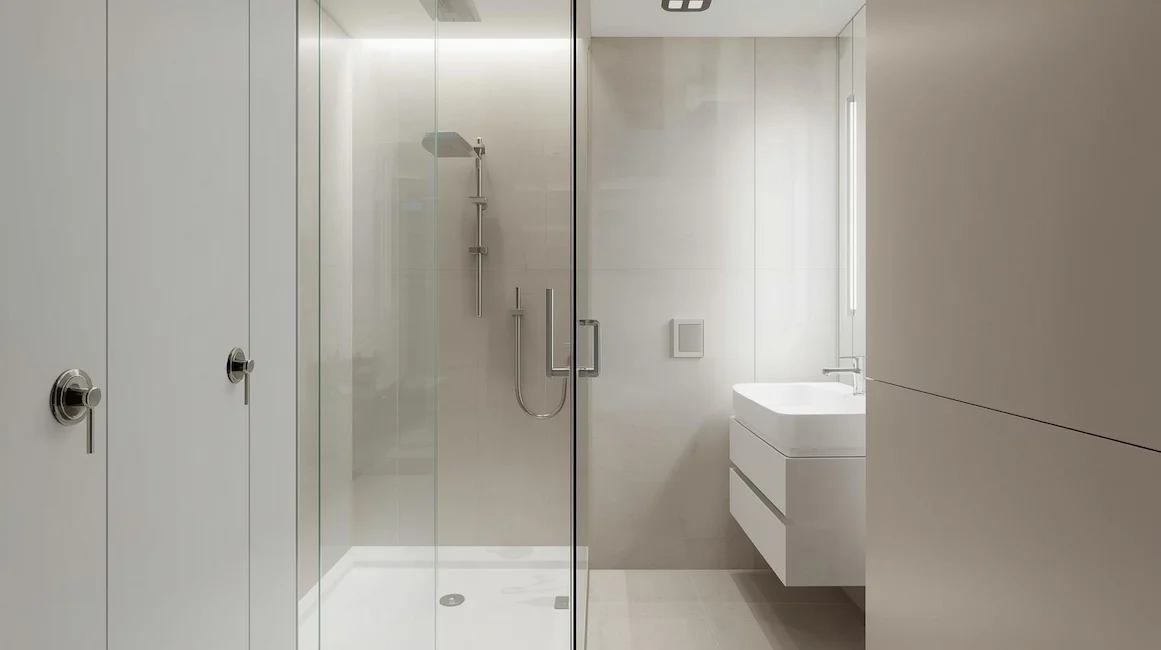
3/4 Bath Smart Space-Saving Bathroom Solution
Ergonomics and Flow
A well-designed bathroom should feel easy to move through, not cramped or awkward. Proper clearances around fixtures are essential for comfort, safety, and code compliance. Adequate spacing allows doors and drawers to open fully and ensures users can move naturally between the sink, toilet, and shower or tub.
Below are commonly referenced standard clearances used in residential bathroom planning. These measurements are generally considered minimum requirements under many building codes, such as the International Residential Code, but more generous spacing is often recommended for everyday comfort. Always verify requirements with local regulations, as codes can vary by location. If accessibility is a priority, additional ADA-specific clearances may apply.
Standard Bathroom Fixture Clearances
|
Fixture |
Minimum Clearance (Front) |
Minimum Clearance (Side) |
|
Toilet |
21 inches (53 cm) |
15 inches (38 cm) each side from the center |
|
Sink / Vanity |
21 inches (53 cm) |
4 inches (10 cm) from the wall or adjacent fixture |
|
Shower |
24 inches (61 cm) |
N/A |
|
Bathtub |
21 inches (53 cm) |
N/A |
Designing beyond the minimum where possible improves comfort and usability, especially in shared or family bathrooms. A clear, logical pathway through the space helps the bathroom feel calm and intuitive, regardless of its size.
Accessibility and Universal Design: A Bathroom for Everyone
A truly modern bathroom works for everyone, now and in the future. Accessibility and universal design are no longer niche considerations. They are smart, forward-thinking choices that improve comfort, safety, and usability for people of all ages and abilities.
Principles of Universal Design
Universal design focuses on creating spaces that are easy to use regardless of age, height, or physical ability. The goal is not to make a bathroom look clinical, but to design it in a way that feels natural, intuitive, and welcoming to everyone.
Expert tip: Universal design benefits everyone, not just those with mobility challenges. Features like wider walkways, easy-to-reach controls, and step-free entries improve daily comfort and reduce the risk of accidents. They also help future-proof your home, allowing you to stay comfortable in the space as your needs change over time.
Good universal design blends seamlessly into the overall look of the bathroom. When done well, these features enhance the space without drawing attention to themselves.
Key Accessibility Features
Several design elements can dramatically improve bathroom accessibility without sacrificing style. Roll in, barrier-free showers are one of the most impactful upgrades. With no raised curb, they allow easy entry for wheelchairs, walkers, and strollers while also creating a clean, modern appearance. For a detailed look at design options and installation considerations, see The Ultimate Guide to Barrier-Free Shower Pans and Bases Design, Installation, and Top Product Reviews for Seamless Accessibility.
Grab bars provide essential support and stability when placed near toilets and inside showers. Today’s designs come in finishes and styles that blend with modern fixtures, making them both practical and discreet. Comfort height toilets, which sit higher than standard models, reduce strain on the knees and make sitting and standing easier for many users.
Wider doorways and clear floor space improve movement and reduce obstacles, especially in shared or multi-generational homes. Shower controls and shower heads should also be positioned at accessible heights. For guidance on proper placement and ADA-related considerations, refer to The Ultimate Guide to Shower Head Height Standard Measurements, Custom Solutions, and ADA Compliance.
An ADA-compliant bathroom image can be a helpful visual reference, showing how these features come together in a space that is safe, functional, and still visually appealing.
By incorporating universal design principles and accessible features, you create a bathroom that is inclusive, adaptable, and comfortable for everyone who uses it, today and for years to come.
DIY vs. Professional: When to Hire an Expert
One of the biggest decisions in a bathroom renovation is choosing what to do yourself and what to leave to the professionals. While DIY work can be rewarding, knowing your limits is essential to protect your investment and avoid costly mistakes.
Pros and Cons of DIY Renovation
DIY renovation can offer meaningful cost savings, especially for tasks like painting, installing accessories, or assembling flat-pack vanities. Many homeowners also enjoy the personal satisfaction that comes from improving their space with their own hands. Simple cosmetic updates can be a great way to stay involved in the project without taking on too much risk.
However, DIY work requires a significant time commitment and a realistic assessment of your skills. Bathroom renovations involve tight tolerances, moisture control, and precise installation. Mistakes in tile alignment, sealing, or fixture placement can lead to leaks, uneven finishes, or reduced lifespan. What seems like a money-saving decision upfront can quickly become expensive if repairs are needed later.
When to Call a Professional
Certain aspects of a bathroom renovation should always be handled by trained experts. Plumbing and electrical work require technical knowledge and must meet strict safety codes. Structural changes, such as moving walls or altering load-bearing elements, demand professional assessment to avoid serious damage.
Complex waterproofing is another area where professional experience matters. Improper installation of membranes or seals can cause hidden water damage that may not appear until months or even years later. Recommendation: Always consult licensed professionals for critical tasks to ensure safety, code compliance, and long-term durability. Their expertise helps protect both your home and your peace of mind.
Finding and Vetting Contractors
Choosing the right contractor is just as important as deciding to hire one. Start by checking licenses and insurance to confirm they are legally qualified and protected to perform the work. Ask for references and take time to review past projects, especially those similar to your own.
It is also wise to get multiple bids. Comparing quotes helps you understand fair pricing and avoid surprises. Look beyond the lowest number and consider the scope of work, timeline, materials, and warranty offered. Clear communication and written agreements set expectations and help ensure a smoother renovation process.
Balancing DIY efforts with professional expertise allows you to stay involved while ensuring the most critical parts of your bathroom renovation are done right the first time.
Budgeting and Cost Considerations for Your Bathroom Project
A clear and realistic budget is what keeps a bathroom renovation from becoming stressful or unpredictable. Understanding where the money goes and how to control costs helps you make confident decisions without sacrificing quality or long-term value.
Breaking Down the Costs
Bathroom renovation costs typically fall into several main categories. Fixtures, materials, and labor make up the bulk of the budget, followed by permits and a contingency fund for unexpected expenses. Labor often represents the largest share, especially when plumbing, electrical, or waterproofing work is involved.
The table below shows a typical cost breakdown using example percentages. These figures are general estimates only. Actual costs can vary widely depending on your location, the size of the bathroom, material choices, and the overall scope of the project. Always request multiple detailed quotes to get a realistic picture of your specific costs.
Typical Bathroom Renovation Cost Breakdown (Example Percentages)
|
Category |
Estimated Percentage of Total Budget |
|
Labor |
30–40% |
|
Fixtures and Faucets |
20–30% |
|
Cabinetry and Vanity |
15–20% |
|
Countertops |
5–10% |
|
Flooring |
5–7% |
|
Walls and Ceiling |
3–5% |
|
Lighting and Electrical |
3–5% |
|
Miscellaneous / Contingency |
10–15% (Crucial) |
The contingency fund is especially important. Hidden issues such as water damage, outdated plumbing, or uneven subfloors are common once demolition begins. Setting aside 10 to 15 percent of your budget helps you handle these surprises without compromising the rest of the renovation.
Saving Money Without Sacrificing Quality
Saving money does not mean cutting corners. The key is knowing where to invest and where to be more economical. Prioritize splurges on items that affect daily comfort and durability, such as waterproofing, plumbing fixtures, and quality flooring. These elements are harder and more expensive to replace later.
You can save by choosing mid-range finishes that offer good performance without premium pricing. Simple tile patterns, standard fixture sizes, and ready-made vanities often cost far less than custom options while still looking modern and refined. DIY tasks like painting, installing accessories, or removing old fixtures can also reduce labor costs, as long as the work is safe and within your skill level.
Shopping smart makes a difference, too. Look for seasonal sales, clearance items, and discontinued lines from reputable brands. Just be sure that discounted products still meet your quality and warranty expectations.
Financing Your Renovation
If you are not paying out of pocket, several financing options are available. Home equity loans or lines of credit often offer lower interest rates and are suited for larger renovation projects. Personal loans provide faster access to funds but usually come with higher interest rates. Credit cards may work for smaller purchases, but interest costs can add up quickly if balances are not paid off promptly.
When choosing a financing option, think beyond the upfront cost. A well-planned bathroom renovation is a long-term investment that can improve daily comfort and increase your home’s value. Balancing affordability with long-lasting quality ensures your money is spent wisely and delivers benefits for years to come.
Maintaining Your Modern Bathroom for Longevity
A modern bathroom is an investment, and like any investment, it performs best when properly cared for. Regular maintenance ensures your bathroom stays functional, hygienic, and visually appealing for years.
Regular Cleaning and Care
Different surfaces in a bathroom require specific cleaning approaches. Tiles and grout benefit from gentle scrubbing with pH-neutral cleaners to prevent discoloration and mold buildup. Glass surfaces, including shower doors and mirrors, stay streak-free with a microfiber cloth and mild glass cleaner. Chrome and stainless steel fixtures shine longer when wiped regularly with a damp cloth and dried to avoid water spots.
Preventing mold and mildew is crucial. Keep surfaces dry after use, especially in shower areas, and use ventilation fans to reduce humidity. Periodic deep cleaning of grout lines, corners, and under vanities helps prevent hidden moisture problems that can damage surfaces and lead to costly repairs.
Addressing Minor Issues Promptly
Small problems rarely stay small. Leaks, dripping faucets, or slow drains should be fixed as soon as they appear. Prompt attention prevents water damage, structural issues, and more expensive repairs down the line.
Having basic tools on hand makes maintenance easier. A plunger, drain snake, and a basic wrench set allow you to address common clogs, tighten loose fixtures, and handle minor plumbing adjustments without waiting for a professional. Staying on top of these small issues protects both your bathroom’s function and your budget.
When to Consider Updates
Even a well-maintained bathroom may eventually need a refresh. Signs include persistent discoloration, worn grout, outdated fixtures, or a layout that no longer meets your needs.
Small updates can make a significant impact without requiring a full renovation. Replacing cabinet hardware, updating faucets, or applying fresh paint can modernize the space quickly and cost-effectively. Lighting upgrades and new mirrors can also refresh the look and improve functionality, keeping your bathroom feeling current and enjoyable for years to come.
Regular care, prompt repairs, and timely updates help ensure that your modern bathroom continues to serve as a comfortable, stylish, and durable space for you and your family.
Future Bathroom Trends and Innovations
The bathroom of tomorrow blends technology, sustainability, and design to create spaces that are smarter, greener, and more enjoyable. Keeping an eye on emerging trends can help you plan a modern bathroom that remains relevant and inspiring for years to come.
Smart Bathroom Technology
Smart technology is increasingly shaping bathroom design. Voice-activated mirrors can display weather, news, or your daily schedule while you get ready. Smart showers allow precise temperature and flow control, even programmable for individual family members. Self-cleaning toilets and automated flush systems add convenience and hygiene.
Integrated sound systems let you enjoy music or podcasts, turning your bathroom into a relaxing retreat. These innovations combine luxury with functionality, improving everyday routines while enhancing comfort and style.
Sustainable and Eco-Conscious Design
Sustainability is no longer optional. Modern bathrooms increasingly use recycled or responsibly sourced materials, low-flow fixtures, and energy-efficient lighting. Water-saving technologies, such as dual-flush toilets and greywater recycling, reduce environmental impact while lowering utility bills. Natural ventilation reduces reliance on electric fans and contributes to healthier indoor air quality. These choices reflect both environmental responsibility and practical cost savings over the long term.
Biophilic Design
Bringing nature indoors is another growing trend. Biophilic design incorporates natural light, greenery, and organic textures to create a calming, restorative environment. Adding plants, wooden accents, or stone elements can transform a bathroom from purely functional to a sanctuary that nurtures both body and mind.
For inspiration, consider a bathroom featuring abundant plant elements, sunlight streaming through a window, and natural materials. This approach not only enhances aesthetics but also promotes well-being, making your bathroom a space where you truly enjoy spending time.
By embracing smart technology, sustainable solutions, and biophilic design, your bathroom can be both cutting-edge and enduring a space that combines comfort, style, and responsibility for the future.
FAQ: Bathroom Renovation Insights
Conclusion
A modern bathroom is more than just a functional space—it’s a place of comfort, style, and long-term value. Thoughtful planning, careful selection of fixtures and materials, and diligent execution are the foundation of a bathroom that not only looks great but performs flawlessly for years to come. From waterproofing and ergonomics to lighting, storage, and accessibility, every detail contributes to a space that enhances daily life.
Investing in a well-designed bathroom pays off in multiple ways. It elevates your home’s appeal, improves your day-to-day routines, and provides a retreat that supports relaxation and wellbeing. Whether you’re upgrading a small powder room or undertaking a full-scale master bathroom renovation, the result can be a space that is beautiful, practical, and durable.
Now is the perfect time to start your planning. Explore specialized guides for in-depth insights on fixtures, layouts, and materials, or consult licensed professionals to ensure your renovation is executed with confidence.