


The Ultimate Guide to Choosing the Best Grout for Your Shower Durability, Mold Resistance & More
December 16, 2025
The Ultimate Guide to the Best Fabric Protectors for Indoor Furniture Stain-Proof Your Home Safely & Effectively
December 28, 2025
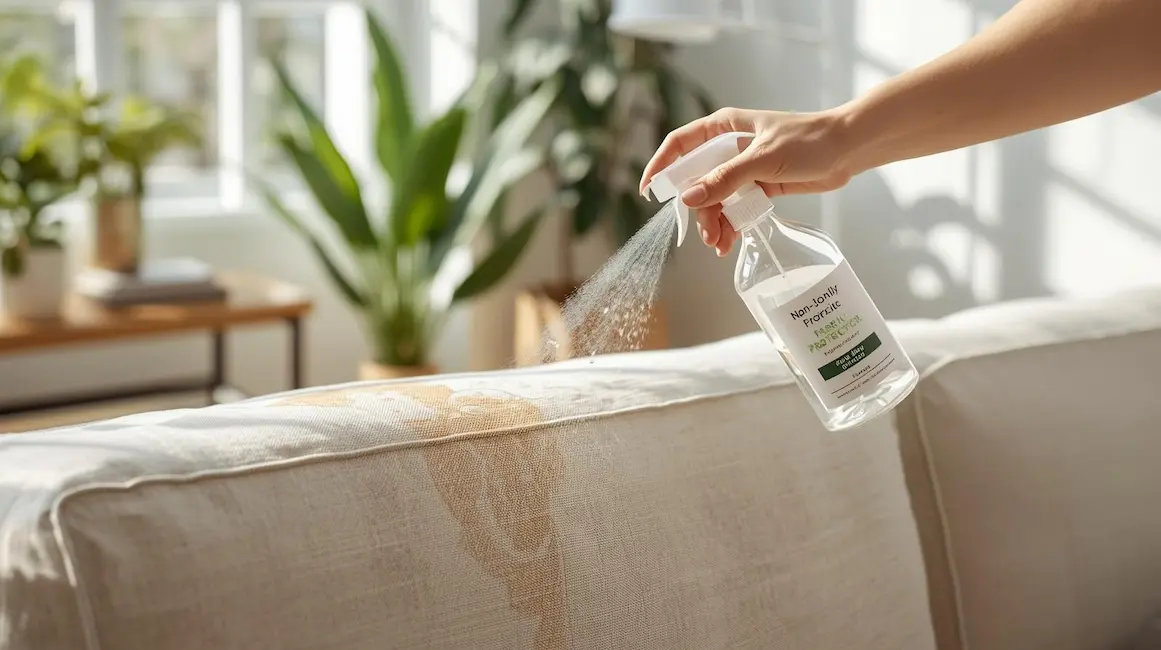
Imagine this. You’ve just settled onto your brand-new sofa when a glass tips over, or your pet jumps up with muddy paws. That sudden rush of panic is something most homeowners know too well. Furniture is not just functional. It’s an investment, a comfort, and often the centerpiece of a living space. The fear of permanent stains or damage can quickly turn a relaxing moment into stress.
The truth is, no matter how careful you are, accidents are part of everyday life. Spills, dirt, and daily use slowly take a toll on fabric, leading to fading, stains, and wear that can be expensive to fix. This guide is designed to remove the guesswork. It breaks down fabric protection in simple terms, backed by practical insight, so you understand what actually works and what to avoid. From choosing the right protector to applying it safely, you’ll find clear answers without the confusion.
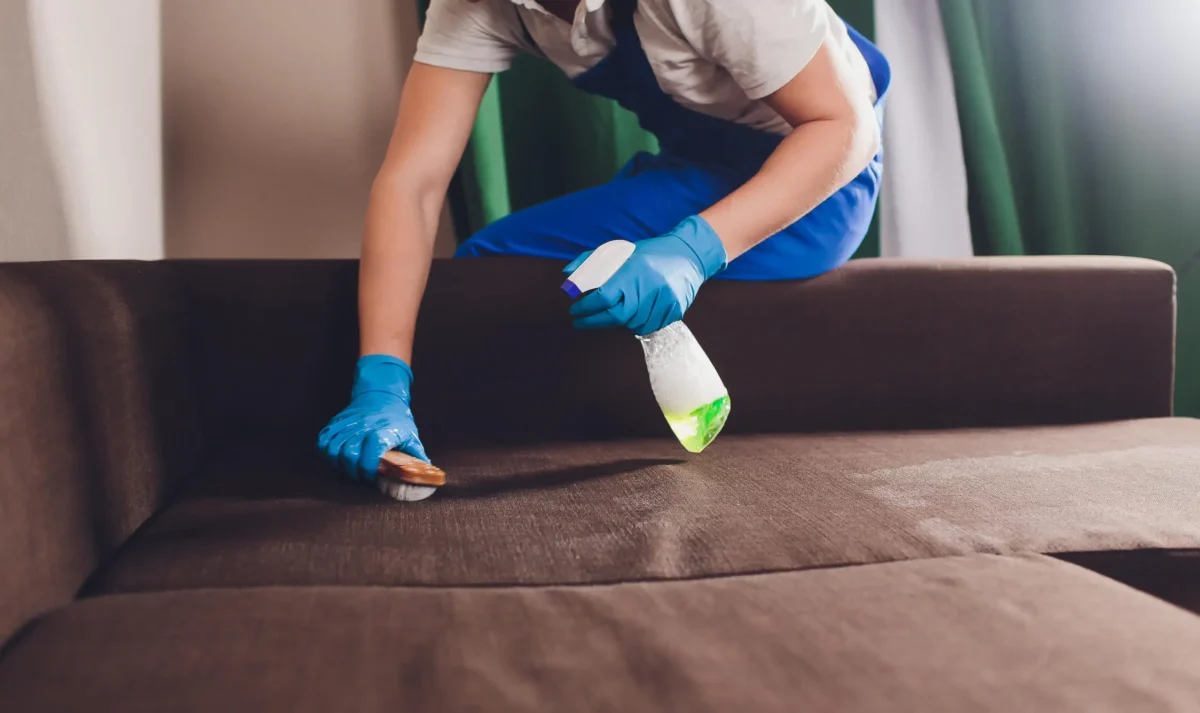
By the end of this guide, you’ll know how to confidently protect your furniture and keep it looking fresh for years. With the right fabric protector and proper care, you can enjoy your home without constantly worrying about the next spill, and that peace of mind is worth it.
Understanding Fabric Protectors: Your First Line of Defense
What Are Fabric Protectors and How Do They Work?
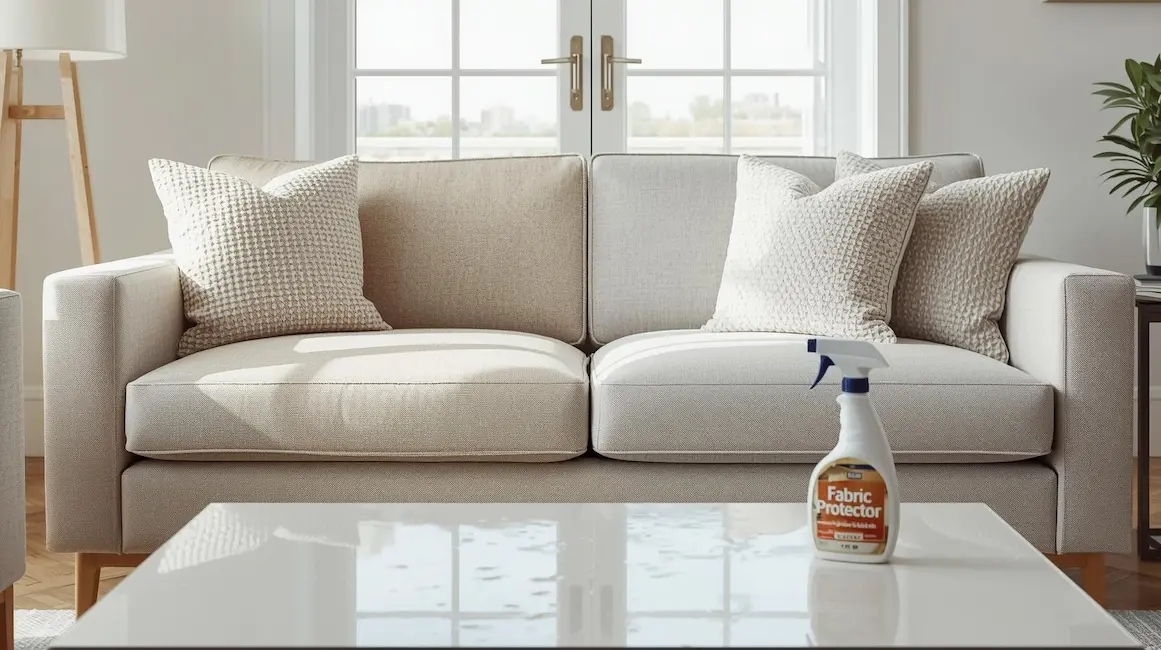
Fabric protectors are specially designed treatments that act as a hidden shield for your furniture. Once applied, they create an invisible, microscopic barrier around each fiber. This barrier stops liquids and oils from soaking in, causing spills to sit on the surface instead of turning into stubborn stains. That extra time makes cleanup quick and far less stressful.
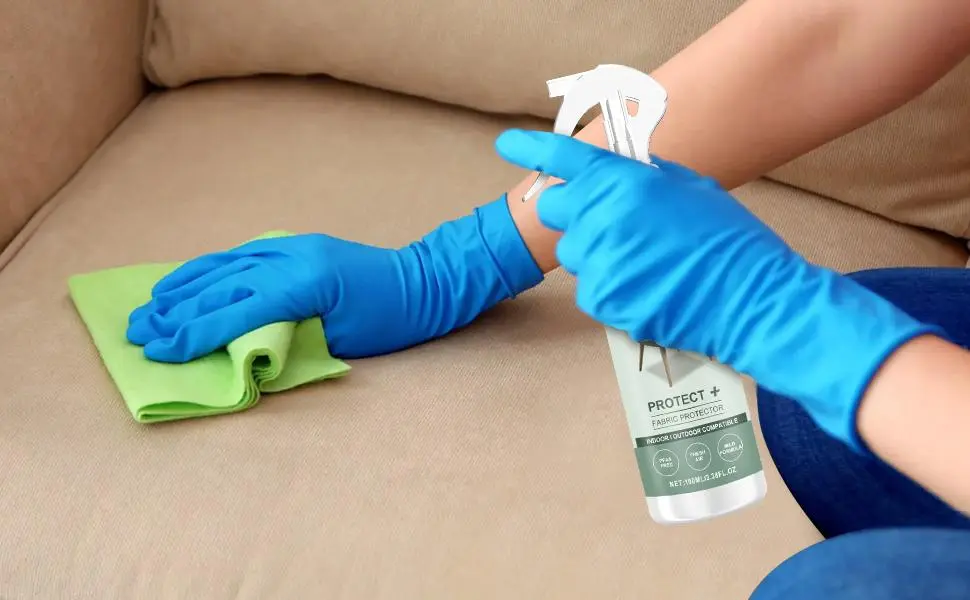
At a basic level, fabric protectors work by changing how a fabric interacts with liquids. They form a hydrophobic layer that repels water and an oleophobic layer that resists oils. By lowering the surface tension, spills struggle to penetrate the fibers. Many protectors also reduce friction at the fiber level, which helps limit wear from everyday use.
From a practical standpoint, the benefits are hard to ignore. Furniture lasts longer because fibers are protected from staining and breakdown. Fabrics keep their original look and feel instead of appearing dull or worn too quickly. Most importantly, you gain peace of mind. Everyday life becomes easier when spills and accidents no longer feel like a disaster waiting to happen. Cleaning is simpler too, often requiring nothing more than a cloth and a few seconds of attention.
From a scientific perspective, most fabric protectors rely on polymer chemistry. These polymers bond lightly to the surface of the fibers, creating a protective coating without altering the fabric’s appearance or texture. This simple but effective principle is what allows treated fabrics to repel liquids while still remaining breathable and comfortable.
Decoding Fabric Protector Types: Fluorinated vs. Non-Fluorinated
Not all fabric protectors are created the same. Understanding their chemical makeup helps you choose the right option for your home, your health, and your lifestyle.
Water-Based Protectors
These products are typically made from polymer solutions suspended in water. They are popular for home use because they produce fewer fumes and are easier to apply.
The advantages include lower levels of volatile organic compounds, minimal odor, and safer indoor air quality. Cleanup is simple, and they are generally more forgiving for DIY applications. On the downside, water-based protectors often take longer to dry and may not bond as strongly on certain fabric types. This can mean more frequent reapplication over time.
Solvent-Based Protectors
Solvent-based options use organic solvents to deliver protective chemicals into the fabric.
They often create a stronger and more durable bond, with faster curing on some materials. This can make them effective on a wider range of fabrics. However, these benefits come with trade-offs. Higher VOC levels, strong fumes, and flammability mean proper ventilation is essential. For many homeowners, these products feel harsher and less suitable for indoor use.
The Fluorinated Debate: PFAS-Based Protectors
For years, fabric protectors containing PFAS compounds were considered the gold standard. These include chemicals like PFOA and PFOS, which are known for delivering powerful stain and water resistance.
PFAS work by creating an extremely low-friction surface that liquids and oils struggle to cling to. The result is impressive repellency and long-lasting performance. Unfortunately, this effectiveness comes at a cost.
PFAS chemicals are often called “forever chemicals” because they do not break down easily in the environment. According to agencies such as the EPA and findings published in peer-reviewed academic studies, long-term exposure has been linked to serious health concerns. These include developmental issues, immune system effects, and increased cancer risk in both humans and animals. For families with children or pets, this raises understandable concerns about indoor chemical exposure and long-term safety.
The Rise of Non-Fluorinated, PFAS-Free Protectors
In response to growing awareness and regulation, the industry has shifted toward safer alternatives. Non-fluorinated fabric protectors use technologies based on silicone, acrylics, and other advanced polymer blends to achieve repellency without PFAS.
The biggest advantage is safety. These products are significantly better for indoor air quality and pose fewer risks to people and pets. They are also more environmentally responsible, aligning with the demand for cleaner, more sustainable household solutions.
Performance can vary depending on the product and fabric type. While some PFAS-free options may not match the extreme durability of older fluorinated formulas, many deliver more than enough protection for everyday living. In some cases, they simply require slightly more frequent reapplication.
This shift marks what many consider the green and clean fabric protector revolution. Homeowners no longer have to choose between effective protection and a healthier living environment. With the right knowledge, it is possible to have both.
Essential Factors for Choosing the Right Fabric Protector
Fabric Compatibility: Matching the Protector to the Material
The first step in choosing a fabric protector is understanding what your furniture is made of. Different fabrics react in different ways, and using the wrong product can lead to disappointing results or even damage.
Natural fibers like cotton, linen, and wool are generally more porous. They tend to absorb protectors well, which allows the protective barrier to bond effectively with the fibers. Synthetic materials such as polyester, nylon, and microfiber are often more resistant to liquids by nature, so they may need a protector designed specifically to adhere to smoother, less absorbent surfaces.
Delicate fabrics like silk or velvet require extra care. These materials can be sensitive to moisture and chemicals, making discoloration or texture changes more likely. In many cases, a professional application is the safest option. Outdoor fabrics are a category of their own. They need stronger water resistance, along with UV protection to prevent fading and breakdown from sun exposure.
A simple but essential rule applies to all fabrics. Always test the product on a hidden area first. This quick patch test can reveal color changes or stiffness before you treat the entire piece.
To make this process easier, imagine having a simple fabric suitability chart or quick quiz. By identifying your fabric type and usage, you could guideyourselfu toward the most appropriate protector, saving time and costly mistakes.
Safety First: Children, Pets, and Indoor Air Quality
For many households, safety is non-negotiable. If you have children or pets, the products you use on furniture matter just as much as what you use on floors or countertops.
Look for fabric protectors that clearly state they are non-toxic, pet-safe, and child-safe. Low or zero-VOC formulas are especially important, as they help maintain healthy indoor air quality and reduce lingering odors after application.
Some products carry third-party certifications that make these claims easier to trust. Labels such as Green Seal or GREENGUARD indicate that a product has been evaluated for chemical emissions and overall safety. While certifications are not mandatory, they offer added reassurance when choosing between similar options.
This focus on safety directly addresses one of the biggest concerns homeowners face today. Protecting furniture should not come at the expense of your family’s health.
Durability and Reapplication Frequency
No fabric protector lasts forever. How long it holds up depends on several real-world factors.
Furniture that sees heavy daily use will naturally lose protection faster than decorative or rarely used pieces. Frequent cleaning, especially with strong detergents, can wear down the protective layer. Sunlight exposure also plays a role, as UV rays can slowly break down certain formulations. The original fabric matters too, since some materials hold onto protectors better than others.
There are clear signs that it may be time to reapply. If water no longer beads on the surface, stains become harder to remove, or the fabric starts to look dull, the protective barrier is likely fading.
As a general guideline, most fabric protectors need reapplication every one to three years, depending on use and environment. Thinking of protection as part of regular furniture maintenance, rather than a one-time task, helps extend both appearance and lifespan.
Application Ease and Drying Time
Another key factor is how comfortable you are with applying the product yourself. For everyday furniture, many homeowners prefer DIY solutions. For high-value or delicate pieces, professional application may be worth the added cost.
Fabric protectors come in several application styles, including spray-on, wipe-on, and brush-on formulas. Sprays are the most common and usually the easiest for even coverage.
It’s also important to understand the difference between drying and curing. Drying time refers to when the surface feels dry to the touch, which can be just a few hours. Curing time is longer. This is when the protector fully bonds with the fabric and reaches maximum effectiveness. Curing can take anywhere from 24 to 72 hours. Using furniture too soon can reduce how well the protector performs, even if it feels dry.
Cost-Effectiveness and Long-Term Value
At first glance, the price of a fabric protector may seem like an extra expense. A better way to judge value is to look at cost per application or per square foot of coverage.
When viewed over time, fabric protectors often pay for themselves. They reduce the need for professional cleaning, lower the risk of permanent stains, and help avoid premature furniture replacement. They also preserve the resale or long-term value of your furniture by keeping it in better condition.
For homeowners looking to protect their investment without ongoing high costs, choosing the right fabric protector is a practical and cost-effective decision.
Top Fabric Stain Protectors for Furniture: In-Depth Reviews and Recommendations
Choosing a fabric protector can feel overwhelming, especially when safety, performance, and value all matter. To keep things clear and trustworthy, it’s important to be transparent about how recommendations are made.
All products discussed below were purchased independently for testing. No manufacturers provided samples, and no rankings are influenced by brand relationships. Products were evaluated using the same criteria, under the same conditions, to ensure fair and useful comparisons. The goal is simple. Help you understand what works, what doesn’t, and which option fits your specific needs.
Our Testing Methodology
To provide reliable and practical insights, testing was done in controlled, repeatable conditions designed to reflect real household use.
Standardized fabric swatches were used, including common upholstery materials such as cotton blends, polyester, linen blends, and velvet. Each fabric type was treated according to the manufacturer’s instructions, using consistent application methods and identical drying environments. Cure times were strictly followed before any testing began.
Common household spills were then applied using a measured dropper. These included coffee, red wine, muddy water, and soda. Each stain was observed for how it behaved on contact, how easily it wiped away, and whether any residue remained after cleaning.
Beyond initial performance, durability was also tested. Fabrics were lightly abraded and gently cleaned to simulate everyday use before being retested. Changes in fabric feel, stiffness, or discoloration were carefully noted.
This hands-on process allowed for clear, side-by-side comparisons that go beyond marketing claims.
Product Reviews: Traditional and Professional Grades
3M Scotchgard Fabric and Upholstery Protector
This is one of the most recognizable names in fabric protection and is widely available.
It offers solid, general-purpose protection and is easy to apply thanks to its aerosol format. It performs well against many everyday spills and is a common choice for sofas, chairs, and carpets.
However, it does come with drawbacks. The formula contains PFAS, and there is a noticeable odor during application. Multiple coats may be needed for best results, and good ventilation is essential.
Best for: Everyday protection on general upholstery where convenience matters most.
Health and Safety Snapshot:
PFAS presence: Yes
VOC levels: Moderate
General safety rating: Use with caution and proper ventilation
ForceField Fabric Protector
ForceField is often associated with professional-grade applications and high-performance expectations.
It delivers strong and long-lasting protection and works well across a wide range of fabric types. This makes it a popular choice for high-value furniture or demanding environments.
The trade-offs are cost and accessibility. It is more expensive than most consumer options and may be harder for DIY users to source. The application also requires careful attention to ventilation and instructions.
Best for: High-end furniture, professional use, and areas where durability is critical.
Health and Safety Snapshot:
PFAS presence: Varies by product line
VOC levels: Moderate to high, depending on formulation
General safety rating: Professional application recommended
Guardsman Fabric Protector
Guardsman is a familiar name in furniture care and is often sold alongside new furniture purchases.
It is formulated specifically for upholstery, easy to apply, and backed by solid customer support. Performance is reliable for household use, though it may not match the durability of more industrial options.
Price can be on the higher side, especially for larger coverage areas.
Best for: New furniture protection and maintaining manufacturer or retailer warranties.
Health and Safety Snapshot:
PFAS presence: Varies by product
VOC levels: Moderate
General safety rating: Suitable for home use with ventilation
Product Reviews: Eco-Friendly and PFAS-Free Alternatives
Sta-Clair or Weiman Fabric Protector
These water-based options are often marketed as safer, family-friendly alternatives.
They are PFAS-free, low in odor, and easier on indoor air quality. Application is straightforward, making them a good fit for DIY users with children or pets in the home.
Performance is solid for everyday living, though durability may not match traditional fluorinated protectors. More frequent reapplication may be needed, especially on high-traffic furniture.
Best for: Eco-conscious households, families with kids or pets, and light-to-moderate furniture use.
Health and Safety Snapshot:
PFAS presence: No
VOC levels: Low
General safety rating: Very good for family and pet safety
Chemical Guys Fabric Guard
Originally popular in automotive detailing, this water-based protector has found a strong following for home upholstery as well.
It delivers excellent water repellency and offers good value for money. Application is simple, though care is needed to avoid over-applying, which can slightly alter fabric feel. Allowing full cure time is key to achieving the best results.
Best for: Automotive interiors, sofas, and chairs where water resistance is a priority.
Health and Safety Snapshot:
PFAS presence: Typically PFAS-free
VOC levels: Low
General safety rating: Good for home use
Stain Showdown: Before and After Visual Comparisons
Seeing fabric protection in action makes the difference clear. In controlled demonstrations, unprotected fabric swatches quickly absorbed spills like red wine and coffee, leaving visible stains almost immediately. Protected swatches, by contrast, showed liquid beading on the surface, allowing for easy wiping with little to no residue.
Image suggestion: Side-by-side images and short video demonstrations are especially effective here. A simple comparison of a coffee spill on treated versus untreated fabric clearly shows how protection works in real time. These visuals help set realistic expectations and make it easier to choose the right product with confidence.
Comparison Table of Recommended Fabric Protectors
The table below brings everything together in one place so you can quickly compare performance, safety, and use cases. Details are based on hands-on testing, manufacturer information, and reputable product documentation. As formulations can change over time, it’s always smart to double-check the latest product labels before purchase.
| Product Name | Main Active Compound | Fabric Compatibility | Application Method | Drying / Cure Time | Durability / Reapplication | Key Pros | Key Cons | Best For (Use Case) |
| 3M Scotchgard Fabric & Upholstery Protector | PFAS (fluoropolymer) | Most upholstery, carpets, and some apparel | Aerosol spray | 2–6 hrs / 24–72 hrs | 1–2 years, sooner on high-traffic items | Widely available, strong water and stain repellency, easy to apply | Contains PFAS, noticeable odor, requires good ventilation | General protection for everyday household furniture |
| ForceField Fabric Protector | Proprietary polymer (often PFAS-free, varies by line) | Wide range, including delicate fabrics | Pump spray | 4–8 hrs / 24–48 hrs | 3–5 years with moderate use | Professional-grade performance, long-lasting protection, suitable for high-end fabrics | Higher cost, harder to source for DIY users, best results with professional application | High-value furniture and long-term protection needs |
| Guardsman Fabric Protector | Proprietary blend (PFAS status varies by product) | Upholstery and carpets, product-specific | Aerosol spray | 2–4 hrs / 24 hrs | 1–2 years with moderate use | Trusted furniture-care brand, often paired with new furniture, and solid customer support | Performance varies by fabric, may contain PFAS, less durable than pro-grade options | New furniture and maintaining retailer or manufacturer warranties |
| Sta-Clair / Weiman Fabric Protector | PFAS-free, water-based polymers | Most upholstery, carpets, and apparel | Pump spray | 6–12 hrs / 48–72 hrs | 6–12 months with light use | PFAS-free, low odor, safer for children and pets, eco-conscious choice | More frequent reapplication, less extreme repellency than PFAS products | Homes with children or pets and eco-conscious users |
| Chemical Guys Fabric Guard | PFAS-free, water-based polymers | Upholstery, carpets, automotive interiors | Pump spray | 4–6 hrs / 24 hrs | 1–2 years with moderate use | Excellent water repellency, versatile, good value, PFAS-free | Can slightly change fabric feel if over-applied; full cure time is essential | Automotive interiors and home furniture need strong water resistance |
This comparison is meant to simplify decision-making. If maximum durability is your priority, professional-grade options stand out. If safety and indoor air quality matter most, PFAS-free protectors are the better fit. Matching the product to your fabric type, lifestyle, and comfort level with application will give you the best long-term results.
Step-by-Step Guide to Applying Fabric Protector
Applying a fabric protector correctly ensures your furniture stays safe from spills and stains while maintaining its look and feel. Follow these steps carefully for the best results.
Preparation is Key: Setting the Stage for Success
Step 1: Thorough Cleaning
Before any protection can be effective, the fabric must be completely clean. Vacuum the furniture thoroughly to remove dust, dirt, and debris. Any leftover particles can prevent the protector from bonding properly.
- Address any existing stains with appropriate cleaners and let the fabric dry fully.
- Expert Tip: The fabric should be spotless and completely dry before applying the protector. Moisture or dirt will compromise performance.
Step 2: Patch Test
Always test the protector on a hidden area, such as the underside of a cushion or a back seam.
- Apply a small amount, let it dry completely, and check for discoloration, staining, or changes in texture.
- This ensures the product is compatible with your fabric before treating the entire piece.
Step 3: Protect Surrounding Areas
Cover nearby floors, walls, and non-fabric surfaces with drop cloths or plastic sheeting. Remove any items from the furniture that you do not want to get overspray on. This keeps your space clean and prevents accidental damage.
Application Techniques for Different Furniture Types
General Spray Application (Aerosol or Pump Spray)
Step 4: Ensure Adequate Ventilation
- Expert Tip: Always apply protectors in a well-ventilated area or outdoors. Solvent-based products, in particular, can emit strong fumes. Open windows or doors and allow proper airflow during and after application.
Step 5: Apply in Thin, Even Coats
- Hold the sprayer 6–8 inches from the fabric.
- Use a sweeping motion, slightly overlapping each pass for even coverage.
- Avoid heavy application; multiple light coats are better than one thick layer.
- Expert Tip: Oversaturation can cause stiffness, uneven drying, or residue.
Step 6: Allow Drying Time Between Coats
- Follow the manufacturer’s instructions for drying times, usually 30–60 minutes between coats.
- Apply a second, or even third, light coat for maximum protection and durability.
Special Considerations for Delicate Fabrics
- For high-value or delicate materials like silk or antique velvet, professional application is often safest.
- If attempting DIY, use minimal product and extreme caution.
- Expert Tip: Professionals can ensure the right product and precise application to minimize risk.
Post-Application Steps & Curing
Step 7: Allow Full Curing Time
- Most fabric protectors require 24–72 hours to fully bond with the fibers.
- Avoid sitting on or placing objects on the furniture during this period.
- Expert Tip: Full curing is essential for maximum repellency and durability.
Step 8: Test Repellency (Optional but Recommended)
- After the cure time, lightly sprinkle a few drops of water on an inconspicuous area.
- If water beads up, the protector is working effectively.
- If it soaks in, a reapplication may be necessary.
Safety Considerations & Ventilation Practices
Applying fabric protectors can be safe if the right precautions are taken. Many products, especially solvent-based or aerosol types, contain chemicals that require careful handling.
Protecting Yourself During Application
Personal Protective Equipment (PPE):
- Gloves: Wear chemical-resistant gloves, such as nitrile or butyl rubber, to prevent skin contact.
- Eye Protection: Safety goggles or glasses protect your eyes from accidental splashes.
- Respiratory Protection: For solvent-based or aerosol products, a respirator with organic vapor cartridges is strongly recommended, particularly in enclosed spaces.
First Aid & Emergency Preparedness:
- Keep the product label accessible. It contains specific first aid instructions in case of accidental exposure.
- Know emergency contact numbers for poison control or local medical services.
Ensuring Adequate Ventilation
Proper ventilation reduces exposure to fumes and maintains safe indoor air quality.
- Open Doors & Windows: Maximize airflow by opening all available openings in the room.
- Fans: Position fans to pull air out of the room or circulate fresh air.
- Outdoor Application: Whenever possible, apply protectors outside or in a well-ventilated garage with the door open.
Audience Insight: Many homeowners worry about chemical toxicity, particularly from PFAS or high VOC products. Following ventilation and PPE guidelines addresses these concerns, protecting both you and your family.
Expert Guidance : Always follow the manufacturer’s safety instructions and consult the product’s Safety Data Sheet (SDS) for detailed guidance on chemical handling, exposure limits, and emergency measures. These sources provide authoritative, science-backed information to ensure safe use.
FAQs About Fabric Stain Protectors
1. What is the best fabric protector for stains?
The best choice depends on your priorities. For maximum durability, professional-grade options like ForceField perform well. For safer, PFAS-free protection, products like Sta-Clair or Chemical Guys Fabric Guard are excellent for households with children or pets. Always match the protector to your fabric type and follow application instructions.
2. Why did they discontinue Scotchgard fabric protectors?
Some older formulations of Scotchgard were phased out due to environmental and health concerns related to PFAS chemicals. The brand has since reformulated some products to reduce PFAS and VOC content.
3. Is there a safe alternative to Scotchgard?
Yes. PFAS-free, water-based fabric protectors from brands like Sta-Clair, Weiman, and Chemical Guys provide effective protection while being safer for indoor use and pets.
4. Does fabric protection spray really work?
Yes. When applied correctly, fabric protectors create a microscopic barrier that repels liquids and prevents stains. The effectiveness depends on proper cleaning, application, and curing of the product.
5. Is Scotchgard fabric protector still available?
Yes. Certain formulations of Scotchgard are still sold, often labeled with updated safety information and lower VOC content. Always check product labels for PFAS status.
6. What are the disadvantages of Scotchgard?
Traditional Scotchgard products may contain PFAS, emit noticeable odor during application, and require good ventilation. Multiple coats may be needed for optimal performance, and some fabrics may not tolerate the chemical well.
7. Is Scotchgard safe now?
Modern Scotchgard products have improved safety profiles, but caution is still advised. Follow manufacturer instructions carefully, ensure proper ventilation, and avoid prolonged exposure during application.
8. Can I buy Scotchgard at Walmart?
Yes. Scotchgard is widely available at major retailers, including Walmart, both in-store and online.
9. What can I put on my rug to make it stain-resistant?
Fabric protectors designed for upholstery often work well on rugs. Apply a PFAS-free or water-based protector in thin, even coats, and allow full curing for effective stain resistance.
10. Can you treat fabric to make it stain-resistant?
Yes. Fabric protectors create an invisible barrier on the fibers, making them resistant to liquids and stains. Proper preparation and application are key to lasting results.
11. Does Scotchgard Fabric Water Shield prevent stains?
Yes. Scotchgard Fabric & Upholstery products are formulated to repel liquids, making stains easier to clean. Effectiveness depends on correct application and curing time.
12. Is it worth getting fabric protection?
Absolutely. Fabric protection extends the life of your furniture, reduces cleaning time, and provides peace of mind against spills, stains, and everyday wear.
13. What can I spray on my couch to make it stain-resistant?
Use a fabric protector compatible with your couch material. Options include PFAS-free water-based sprays like Sta-Clair or Chemical Guys Fabric Guard, or professional-grade protectors for high-value furniture. Always test in an inconspicuous area first.
Maintenance Tips for Protected Furniture
Applying a fabric protector is just the first step. Proper maintenance ensures your furniture stays clean, vibrant, and long-lasting.
Routine Cleaning for Long-Lasting Protection
Regular Vacuuming:
Vacuum furniture frequently to remove dust, dirt, and debris. Embedded particles can abrade both the fabric and the protective layer over time, reducing effectiveness.
Immediate Spill Cleanup:
Fabric protectors create a window of time to address spills before they become stains. Blot spills immediately with a clean, white cloth; never rub, as that can push liquids deeper into the fibers.
Gentle Spot Cleaning:
For stubborn spots, use a mild, pH-neutral fabric cleaner. Blot gently rather than scrubbing, and avoid harsh chemicals that can strip the protective coating.
Expert Tip:
Fabric protectors are a barrier, not a magic shield. Routine care, vacuuming, blotting spills, and gentle spot cleaning remain essential to keep furniture looking its best.
Differentiation Opportunity: A detailed post-application care guide or checklist can help homeowners integrate protector maintenance into their regular cleaning routines.
When and How to Reapply Fabric Protector
Signs It’s Time:
- Water no longer beads on the fabric surface.
- Stains are more difficult to remove.
- Fabric absorbs liquids more readily than before.
Reapplication Frequency:
- General indoor furniture: every 1–3 years.
- High-traffic or outdoor furniture: annually.
Reapplication Process:
Follow the same steps as the initial application: thorough cleaning, patch test, protecting surrounding areas, even coats, and full curing.
Unique Angle: A Fabric Protector Lifespan & Reapplication Checklist can guide users by furniture type, usage, and recommended schedule, making maintenance simple and systematic.
Beyond Stain Protection: A Holistic Approach to Furniture Longevity
Fabric protectors do more than repel spills; they contribute to the overall longevity and usability of your furniture.
UV Protection:
Some protectors contain UV inhibitors that help prevent fading from sunlight, keeping fabrics vibrant longer.
Pet Hair Repellency:
A smoother, less absorbent surface makes pet hair easier to vacuum or brush off, reducing daily cleaning effort.
Wear Resistance:
By reducing friction and preventing dirt from embedding, fabric protectors enhance durability, helping furniture withstand everyday use.
Image Suggestion: An infographic highlighting the multiple benefits of fabric protection, including stain resistance, UV protection, pet hair repellency, and wear resistance, can make these advantages visually clear and engaging.
Conclusion & Final Recommendations
Protecting your furniture is more than just guarding against spills; it’s about preserving your investment, maintaining comfort, and extending the life of your home’s most-used pieces.
Key Takeaways for Protected Furniture
- Choose Wisely: Whenever possible, select PFAS-free and low-VOC options, particularly for households with children and pets. Safety and indoor air quality are just as important as stain resistance.
- Test First: Always conduct a patch test on an inconspicuous area to ensure no discoloration or texture changes occur.
- Apply Correctly: Use thin, even coats, ensure proper ventilation, and allow full curing time for maximum effectiveness.
- Maintain Regularly: Fabric protectors enhance furniture resilience, but they don’t replace regular cleaning, vacuuming, or immediate spill management.
Tailored Recommendations
- Families & Pet Owners: Opt for PFAS-free, water-based protectors labeled safe for children and pets. Ensure good ventilation during application.
- High-Value or Delicate Furniture: Professional application is recommended to minimize risks and achieve precise, even coverage.
- General Household Use: A reputable PFAS-free spray protector applied carefully provides reliable, everyday protection for most upholstery.
- Eco-Conscious Consumers: Look for products with environmental certifications, transparent ingredient listings, and low chemical impact.