



The dream home isn’t just a place, it’s a feeling. It’s the sense of calm you get when you walk through the door after a long day, the space that mirrors your personality, and the environment that supports how you live, relax, and connect. But turning that vision into reality takes more than inspiration. It requires thoughtful planning, smart decisions, and a clear understanding of what truly makes a home feel like yours.
This ultimate guide will take you through each step of creating your ideal living space, from defining your goals and designing meaningful layouts to choosing materials, colors, and furniture that complement your lifestyle. Whether you’re starting from scratch or transforming an existing space, you’ll find actionable insights and creative ideas to help you make confident choices.
- Defining Your Vision: The Foundation of Your Dream Home
Creating your dream home starts long before the first design sketch or renovation plan. It begins with a clear understanding of who you are, how you live, and what truly matters in your everyday life. Defining your vision early on ensures every design choice, layout, and furnishing decision aligns with your goals and lifestyle.
1.1 Understanding Your Lifestyle & Needs
Before any hammer swings or paint swatches are chosen, take a moment to reflect on how you live. Think about your routines, habits, and priorities. A well-designed home should support your daily life, not complicate it.
Ask yourself these key questions:
- Who lives here? Consider family size, ages, and pets. The needs of a single professional differ greatly from those of a couple with toddlers or a multi-generational household.
- What activities dominate your home life? Do you love hosting friends, working remotely, spending quiet evenings reading, or engaging in creative hobbies? Your answers will influence how you allocate and design each space.
- What are your long-term goals for this space? Are you planning for a growing family, aging in place, or enhancing your home's resale value in the future? Your vision should anticipate these evolving needs.
For example, a family with young children might focus on durable, easy-to-clean surfaces, open sightlines, and dedicated play areas. On the other hand, a remote professional may need a quiet, well-lit home office with ergonomic furniture and sound insulation.
By analyzing your lifestyle and goals in detail, you create the foundation for all your design and improvement decisions. This self-awareness brings clarity and purpose, ensuring your home isn’t just visually appealing but genuinely functional. Experts agree that homes designed around the people who live in them are more comfortable, efficient, and enduring, a testament to thoughtful planning and intentional design.
1.2 Crafting Your Aesthetic: Style & Atmosphere
Once you understand your lifestyle, it’s time to explore how you want your home to look and feel. Beyond function, your aesthetic defines your home’s personality; it tells your story through colors, textures, and shapes.
Consider the design styles that resonate most with you:
- Modern & Contemporary: Clean lines, minimal clutter, and open spaces.
- Traditional & Classic: Elegant details, rich textures, and timeless charm.
- Farmhouse & Rustic: Warm woods, cozy textiles, and a welcoming, lived-in feel.
- Bohemian & Eclectic: Bold patterns, layered textures, and expressive individuality.
- Mid-Century Modern: Sleek forms, organic influences, and a focus on function.
If you’re drawn to calm, nature-inspired interiors, explore Organic Modern Living Room: The Definitive Guide to Serenity & Style, a popular aesthetic that blends modern simplicity with natural warmth.
To visualize your style, start building mood boards and inspiration files.
- Use digital tools like Pinterest or Houzz to collect ideas and see how different elements work together.
- Gather physical samples such as fabric swatches, paint chips, and material samples to compare textures and tones in real life.
Expert Tip: Don’t feel confined to one style. Blending influences can result in a more authentic, personalized design. The goal is to create coherence, not perfection. A well-balanced mix of aesthetics can make your home feel both stylish and uniquely yours.
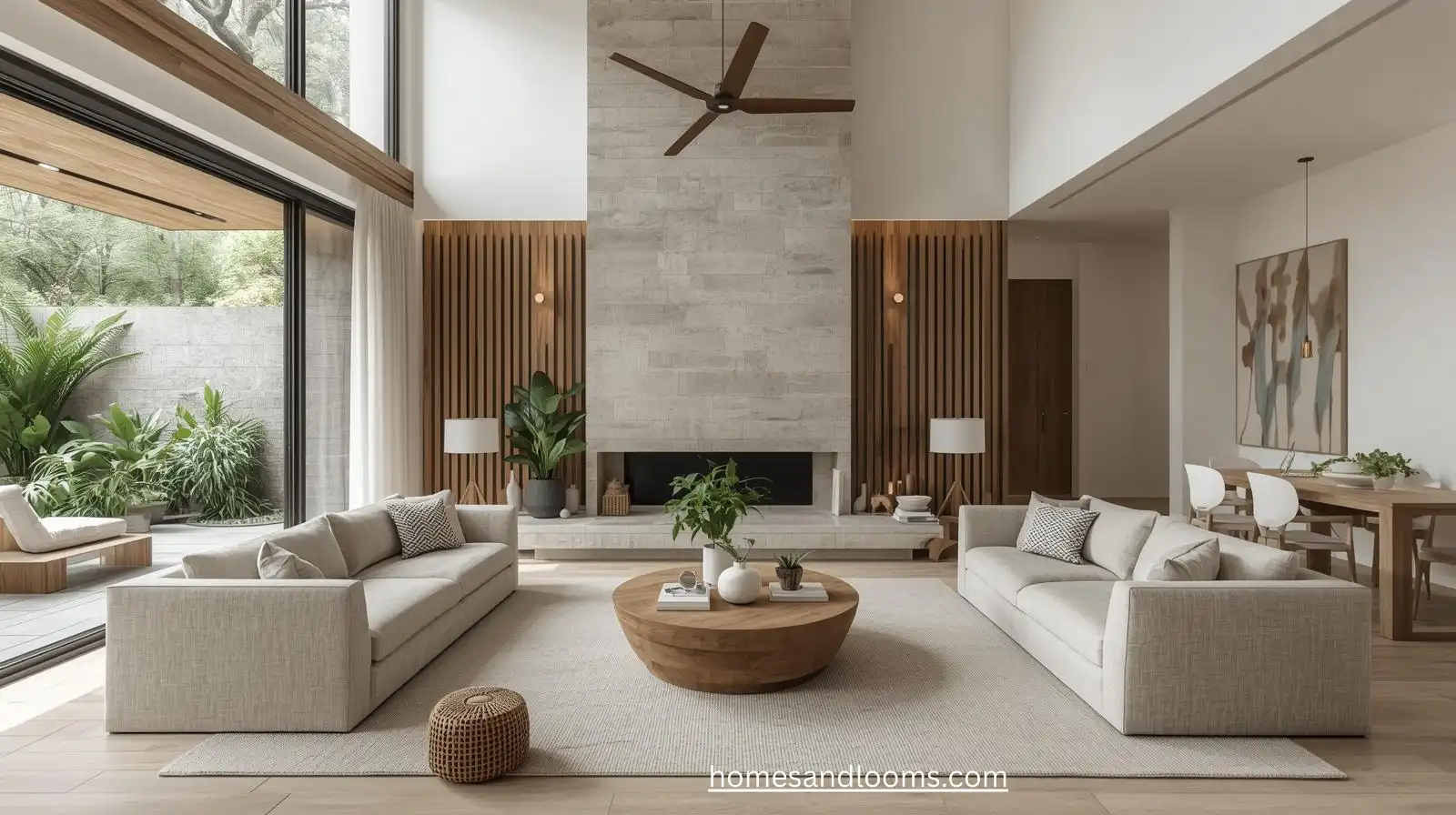
Organic Modern Living Room
2. Planning Your Home Transformation: Projects & Budget
Turning your vision into reality requires more than inspiration; it takes a strategic approach. A successful home transformation depends on careful planning, smart prioritization, and disciplined budgeting. Whether you’re preparing for a full-scale renovation or making smaller upgrades over time, understanding where to start and how to manage your resources ensures smoother progress and better results.
2.1 Prioritizing Home Improvement Projects
Every great project starts with a plan. Before diving into renovations or décor updates, take stock of your home’s current condition and define what truly needs attention. Strategic planning helps you allocate time, money, and effort wisely, avoiding costly surprises later.
Start by distinguishing needs from wants:
- Essential repairs & maintenance: Address structural or safety issues first, such as roofing, plumbing, or electrical systems. These protect your investment and ensure your home’s longevity.
- Functional upgrades: Once the essentials are secure, focus on improving how your home works for you, kitchen or bathroom remodels, added storage, or expanded living space.
- Aesthetic enhancements: Finally, consider visual improvements like fresh paint, updated lighting, or new décor to elevate your home’s overall appeal.
Creating a project roadmap helps you stay organized and realistic about timelines:
- Short-term (1–2 years): Minor updates and immediate maintenance.
- Mid-term (3–5 years): Larger renovations and space optimization.
- Long-term (5+ years): Major transformations or additions.
If your plans include outdoor or structural updates, check out The Ultimate Guide to Treated Lumber: Everything DIYers & Homeowners Need to Know for practical insights into choosing durable materials that stand the test of time.

Treated Lumber
2.2 Setting a Realistic Budget & Managing Finances
Even the best ideas can falter without solid financial planning. According to various home improvement surveys, homeowners often underestimate project costs by 10–20%, largely due to unexpected expenses or changes mid-project. Setting a realistic budget helps you stay in control and reduces financial stress.
Follow these key steps for budgeting success:
- Break down every cost. Include materials, labor, permits, design fees, and taxes. Transparency helps prevent surprises.
- Add a contingency fund. Set aside 10–15% of your total budget for unforeseen issues, such as plumbing leaks, electrical updates, or material delays.
- Explore financing options. Depending on your situation, consider savings, home equity loans, or personal loans to fund larger projects responsibly.
To prevent your budget from ballooning, avoid scope creep when new ideas or changes pile up during the project.
Here’s how:
- Define your project clearly from the start, including design choices and materials.
- Maintain consistent communication with contractors to stay aligned on goals and costs.
For more tips on maintaining control, see Stop the Spiral: Proven Ways to Conquer Scope Creep in Your Home Improvement Project, an essential read for homeowners managing complex renovations.

2.3 DIY vs. Professional: When to Hire & When to Tackle It Yourself
Deciding whether to do it yourself or hire a professional can greatly influence your project’s cost, timeline, and quality. The right choice depends on your skills, available time, and the complexity of the task.
DIY projects can be rewarding and budget-friendly, but they require honest self-assessment. Consider:
- Your skill level and experience with similar tasks.
- The time commitment needed to complete the project properly.
- Access to tools and equipment, especially for specialized work.
- Safety concerns, particularly for electrical or structural tasks.
You should hire a professional when:
- The project involves structural, electrical, or plumbing work that requires permits or code compliance.
- The job demands specialized expertise or tools.
- Your schedule doesn’t allow for lengthy DIY experimentation.
If you enjoy hands-on work, investing in durable tools can make a big difference. For guidance on selecting reliable equipment, check out DeWalt vs. Milwaukee: Guide to Choosing Your Power Tool Brand, a helpful resource for serious DIY enthusiasts.

Designing & Furnishing Each Space: Comfort Meets Style
Designing your home is about more than matching furniture or choosing colors; it’s about creating spaces that feel good to live in. Each room has its own purpose and mood, and when designed thoughtfully, they all come together to form a cohesive, inviting home. From the living room’s energy to the bedroom’s tranquility, balance comfort with style so that every space supports your lifestyle beautifully.
3.1 Living Room: The Heart of the Home
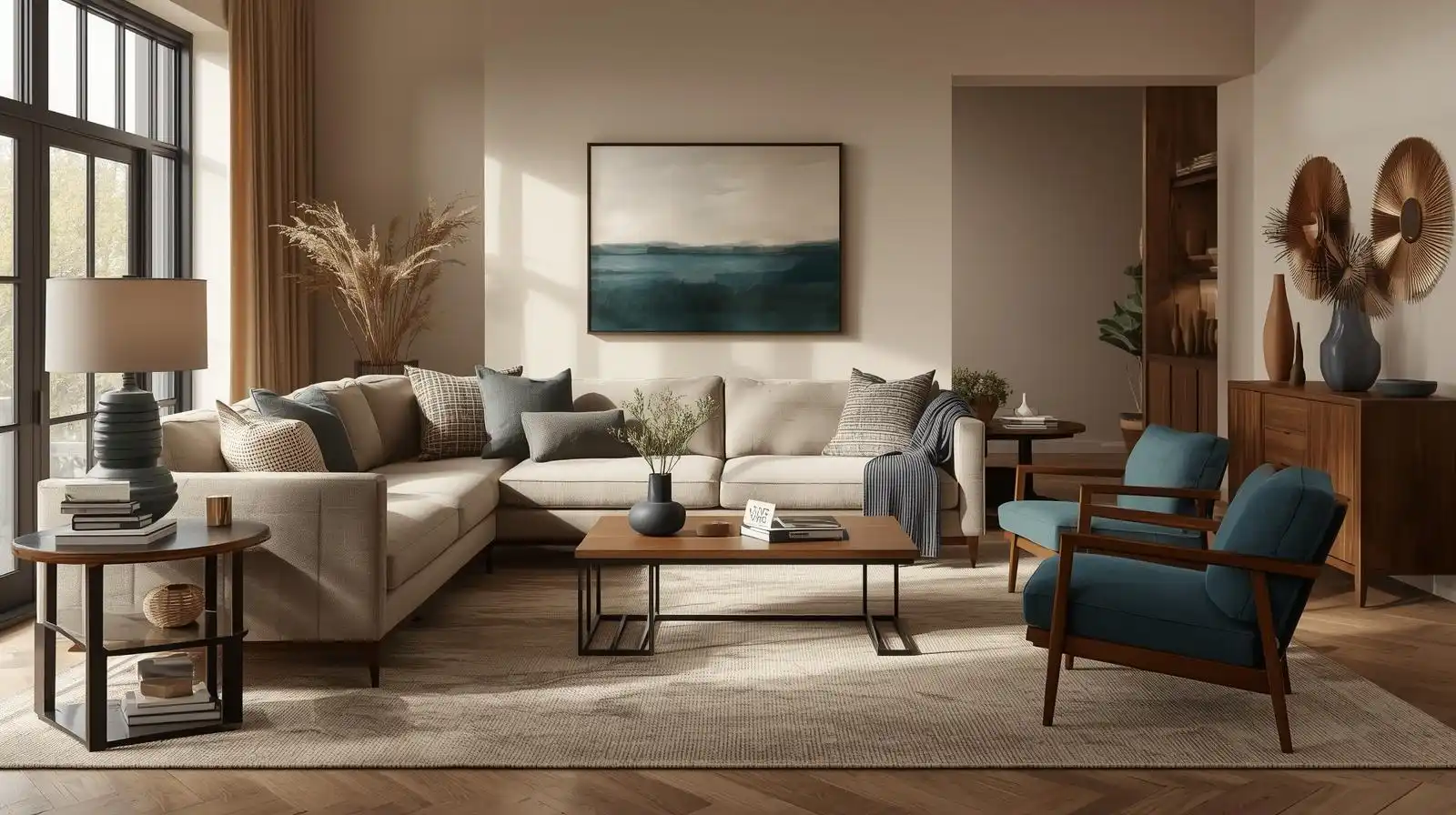
The living room often serves as the social center of the home, a space for entertaining, relaxing, and spending quality time with loved ones. It should blend comfort, function, and personality seamlessly.
When planning your layout and flow, think about how people move through the room. Ensure there’s a clear traffic path and that furniture doesn’t obstruct movement. Arrange seating to encourage conversation and comfort; sofas facing each other or toward a focal point like a fireplace or TV work well. In open-concept layouts, use rugs, lighting, or furniture placement to define zones and maintain cohesion.
Focus on key elements:
- Seating: Sofas, sectionals, and armchairs that reflect your comfort needs and style.
- Tables: A sturdy coffee table and side tables to balance practicality and design.
- Lighting: Combine ambient (overhead), task (reading lamps), and accent lighting to create depth and warmth.
- Storage: Use media units, shelving, or multipurpose furniture to keep clutter at bay.
For inspiration and practical ideas, explore 10 Living Room Makeovers to Transform Your Home in Style, which showcases how layout, lighting, and décor can completely redefine your space.
3.2 Kitchen & Dining: The Culinary & Social Hub
The kitchen is the beating heart of any home, a place for cooking, connecting, and creating memories. It should be designed for both efficiency and atmosphere.
Think in terms of functional zones:
- Food storage: Position your pantry and refrigerator conveniently.
- Preparation & cooking: Keep counter space near the stove and sink for smooth workflow.
- Cleanup: Ensure the sink and dishwasher placement make daily chores easier.
- Dining area: Integrate the dining space so it feels connected yet distinct, creating a natural flow between cooking and socializing.
Choose materials that balance style and durability:
- Countertops: Quartz and granite offer strength and elegance, while butcher block adds warmth.
- Cabinetry: Focus on quality craftsmanship, smart storage solutions, and finishes that match your style.
- Flooring: Opt for materials that handle traffic and spills, such as tile or luxury vinyl.
To help you choose the focal point of your dining space, check out The Ultimate Guide to Kitchen & Dining Tables: Choose, Style & Care, which explores table types, materials, and maintenance tips.
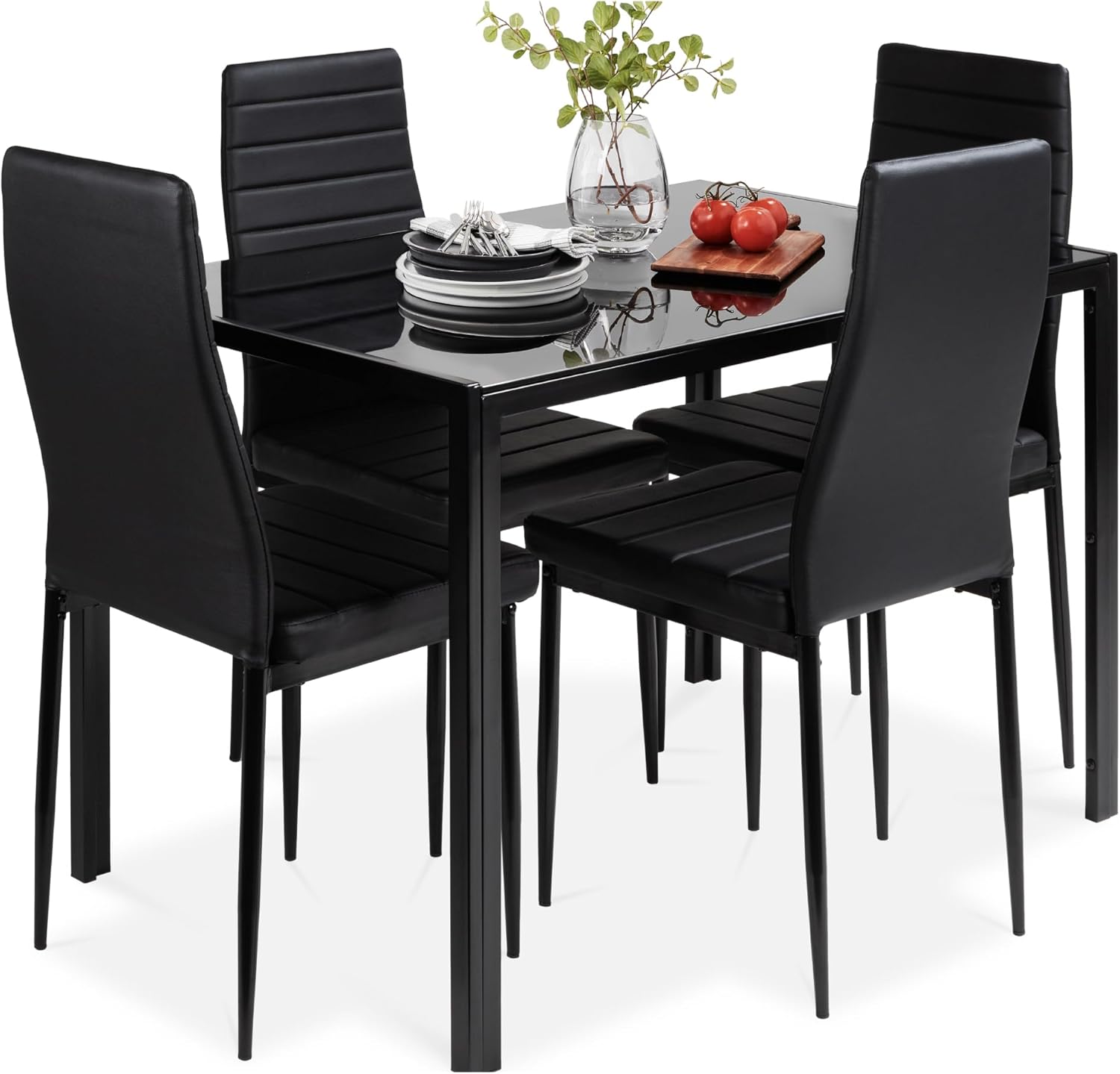
Kitchen & Dining Tables: Choose, Style & Care
3.3 Bedroom: Your Personal Sanctuary
Your bedroom should be a peaceful retreat, a place where you can unwind and recharge. Prioritize comfort, quiet, and a soothing aesthetic to promote better rest.
Creating a serene environment begins with the right foundation:
- Color palette: Choose calming tones like soft blues, muted greens, or neutrals to set a tranquil mood.
- Lighting: Incorporate dimmable lights and bedside lamps for flexibility.
- Declutter: Keep décor simple and storage organized to maintain a clean, restful vibe.
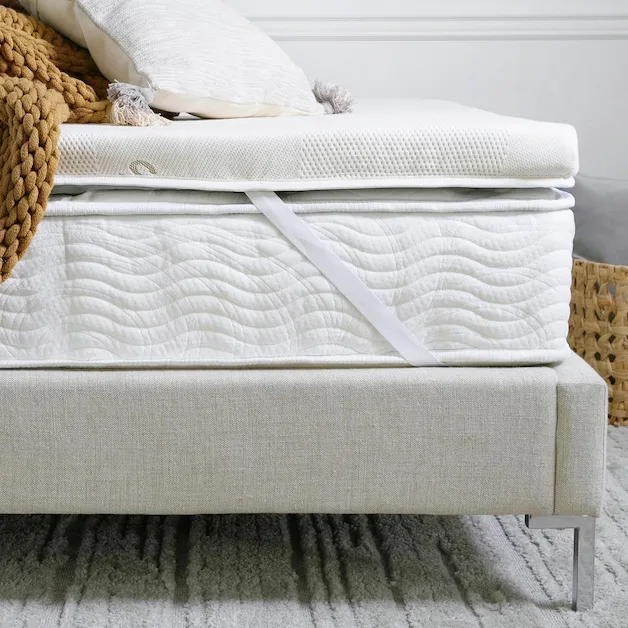
When it comes to comfort, nothing matters more than the mattress. Your choice directly impacts sleep quality and health, so take time to research and test options. Expert reviews and user experiences can help you make an informed decision.
Explore detailed comparisons in Hybrid vs. All-Foam Mattress: The Ultimate Guide to Choosing Your Best Sleep and Mattress Types Compared: Foam vs. Innerspring vs. Hybrid – Ultimate Buyer’s Guide to Better Sleep to find what fits you best. For design inspiration, see 2025 Bedroom Trends: Your Guide to a Modern, Stylish Sanctuary for the latest in bedroom aesthetics and comfort trends.
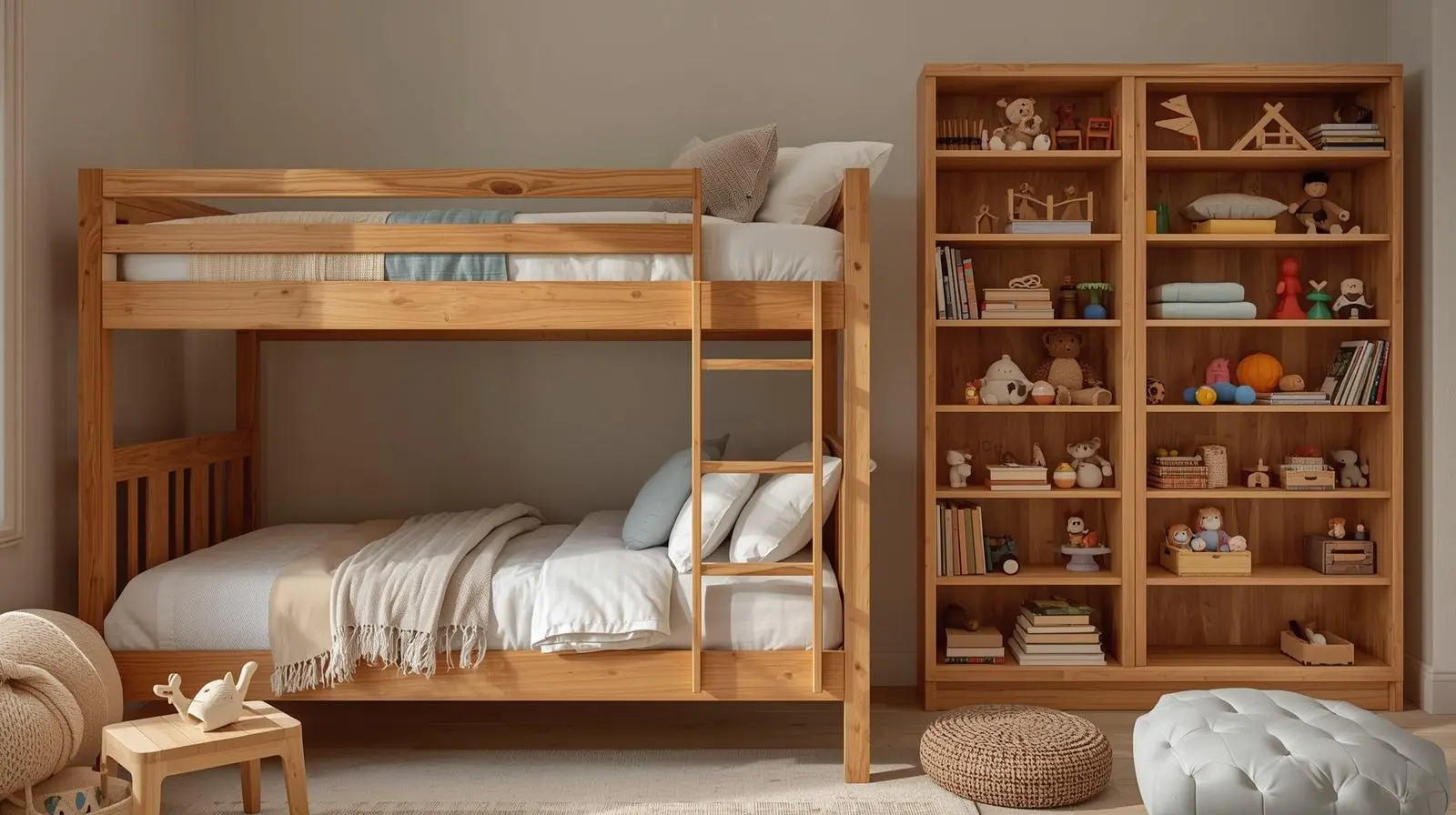
3.4 Kids’ Rooms: Safe, Stylish & Stimulating
Designing a child’s room is a fun challenge; these spaces should spark imagination while remaining safe and functional.
Safety always comes first:
- Use non-toxic materials for paints and finishes.
- Secure furniture to walls and avoid items with small, detachable parts.
- Keep the layout age-appropriate and easily adaptable.
Incorporate smart décor and storage to make the room both playful and practical:
- Design flexible layouts that can grow with your child.
- Use creative storage like under-bed drawers, cubbies, or wall shelves to keep toys organized.
For guidance on materials and décor choices, check out Stylish & Safe Kids’ Rooms: Wood, Glass & Smart Decor. And when it comes to gifting, remember that experiences often outlast toys. See The Ultimate Guide to Meaningful Non-Toy Gifts for Kids for ideas that encourage learning and creativity.
3.5 Personalized Nooks & Lifestyle Integration
Beyond the main rooms, the most memorable homes often feature personal touches, spaces designed around the homeowner’s passions and routines. These smaller areas can add both function and joy to daily life.
Consider adding:
- A home office or creative studio for focused work or hobbies.
- A reading nook or meditation corner for quiet reflection.
- Entryway organization solutions that combine beauty with practicality.
- Outdoor living areas for relaxation and entertaining.
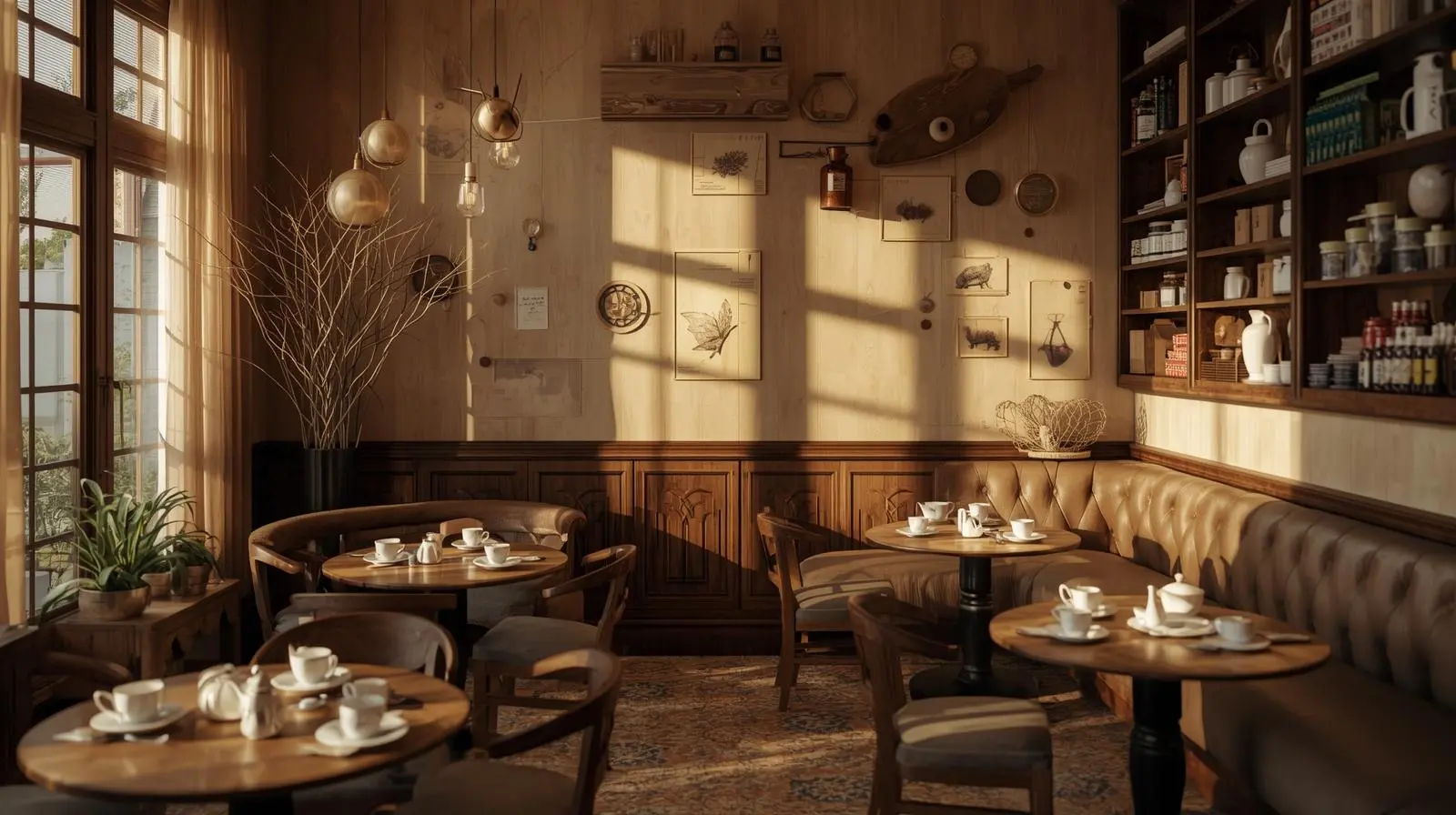
For a cozy example of personalization, explore How to Design Your Dream Tea Spot & Master the Art of ‘Spilling the Tea’, a guide to crafting intimate, mindful spaces. If you’re interested in sustainable living, The Modern Homesteader’s Guide to Thriving in 21st Century America offers insights into integrating eco-friendly and self-sufficient habits into your home life.
Design Your Dream Tea Spot
4. Furnishing & Decorating: Bringing Your Vision to Life
Once your home’s structure, layout, and function are in place, it’s time to infuse it with character. Furnishing and decorating go beyond filling rooms; they’re about creating a cohesive atmosphere that reflects your personality and values. This stage transforms your house into a true home, where every detail contributes to comfort, beauty, and balance.
4.1 Choosing Quality Furniture & Decor
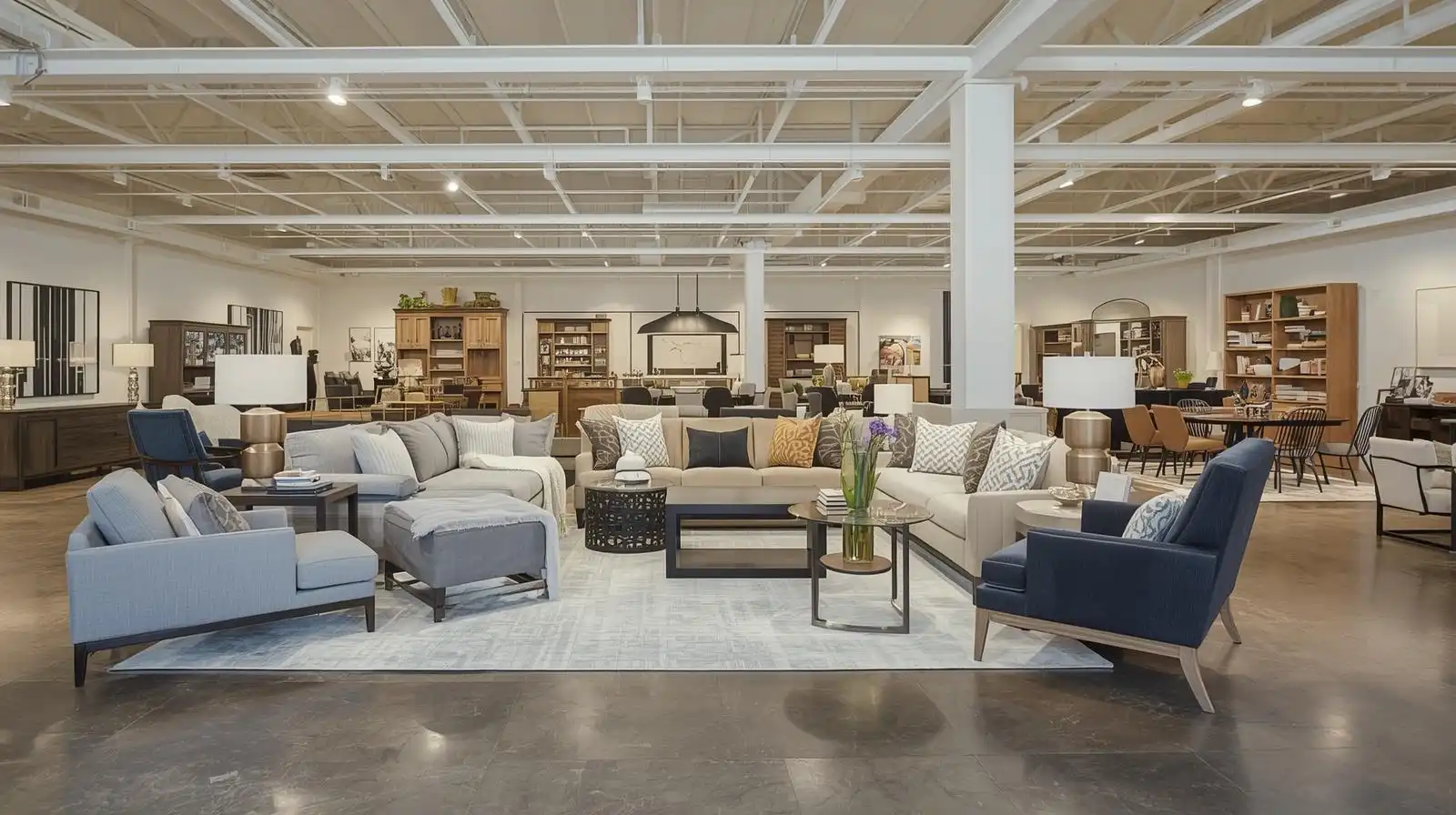
Investing in quality furniture isn’t just about aesthetics; it’s a commitment to long-term comfort, functionality, and sustainability. Well-made pieces can elevate a room’s look while standing up to years of daily use.
When shopping for furniture, keep these key factors in mind:
- Material quality: Solid wood, full-grain leather, and high-performance fabrics last significantly longer than particle board or synthetic alternatives.
- Construction: Look for strong joinery, sturdy frames, and even finishes. These details determine how a piece will hold up over time.
- Brand reputation & warranties: Established brands often offer guarantees and better after-sales support.
- Style & scale: Choose designs that complement your space and proportions. A well-fitted sofa or dining table makes a room feel balanced and intentional.
According to multiple industry reports, high-quality furniture can last 10–20 years or more, making it a smarter investment than cheaper, disposable alternatives.
To find reliable and stylish options, explore Top US Furniture Brands for Quality, Style & Value in 2025, a comprehensive overview of trusted manufacturers. For a closer look at a specific brand, see Room & Board Furniture Review: An Honest Look at Quality, Value, and Real Customer Experiences, which breaks down craftsmanship and customer satisfaction in detail.
4.2 Mastering Color Palettes & Lighting
Color and light work together to define how a room feels. They can make a space appear larger, cozier, more energizing, or more serene, depending on how they’re used. Understanding the basics of both helps you create harmony and emotional balance in every room.
Color theory basics:
- Warm tones (reds, oranges, yellows) create energy and intimacy.
- Cool tones (blues, greens, purples) bring calm and spaciousness.
- Monochromatic schemes use variations of one hue for subtle elegance.
- Analogous schemes combine neighboring colors for cohesion.
- Complementary schemes pair opposites on the color wheel for vibrant contrast.
Always consider how light affects color; natural sunlight can make shades appear brighter, while artificial lighting can warm or mute tones.
A strong lighting plan layers multiple types for flexibility:
- Ambient lighting provides general illumination.
- Task lighting supports focused activities like reading or cooking.
- Accent lighting highlights artwork or architectural features.
To make the most of your space, maximize natural light through mirrors, sheer curtains, and reflective surfaces. For added convenience and energy efficiency, consider smart lighting solutions that adjust brightness and color temperature throughout the day.
4.3 Accessorizing & Personal Touches
Accessories are the details that transform a beautiful room into a personal sanctuary. They tell your story and add texture, warmth, and meaning to your home.
When curating your décor, focus on balance and intention:
- Art & photography: Choose pieces that resonate with you emotionally. Group smaller artworks for impact or let one large statement piece shine.
- Textiles: Rugs, throws, and pillows introduce comfort and color. Mix textures like linen, wool, and cotton for depth.
- Plants & greenery: Bring life and freshness indoors. Even one well-placed plant can soften a room and improve air quality.
- Personal mementos: Display travel souvenirs, family heirlooms, or handmade items to make your space feel uniquely yours.
Expert Tip: Resist the urge to overcrowd. A few meaningful pieces arranged thoughtfully can make a stronger impression than cluttered surfaces. The best interiors evolve naturally over time, reflecting your growth and experiences.
- Maintaining Your Dream Home: Longevity & Comfort
Creating your dream home is an incredible achievement, but keeping it beautiful, safe, and comfortable over the years requires consistent care. Regular maintenance not only prevents small issues from becoming costly repairs but also ensures your home remains efficient, healthy, and inviting. Think of maintenance as protecting your investment and extending the life of every detail you’ve worked hard to perfect.
5.1 Essential Home Maintenance Checklist
A little routine upkeep goes a long way. By following a seasonal and annual maintenance plan, you’ll stay ahead of potential problems while maintaining your home’s comfort and value.
Seasonal Maintenance Tasks:
- Spring: Inspect the exterior, clean gutters, and schedule HVAC servicing before summer heat.
- Summer: Maintain decks and patios, care for gardens, and wash windows inside and out.
- Fall: Check the furnace, replace weatherstripping, and have the chimney cleaned before cold weather sets in.
- Winter: Insulate exposed pipes, test your emergency kits, and ensure heating systems are performing efficiently.
Annual Home Maintenance Schedule
|
Task Category |
Frequency |
Key Activities |
E-E-A-T Consideration |
|
HVAC System |
Annually |
Professional inspection, replace filters, clean vents |
Always use certified HVAC technicians to maintain safety, efficiency, and manufacturer warranty coverage. |
|
Roof & Gutters |
Biannually |
Clear debris, inspect for damage, seal minor leaks |
Exercise caution when working at heights; hire professionals for complex roof systems or significant issues. |
|
Plumbing System |
Annually |
Check for leaks, flush the water heater, and clean the drains |
Contact licensed plumbers for major leaks or burst pipes; DIY attempts can lead to serious water damage. |
|
Electrical System |
Every 5–10 years |
Professional inspection of wiring, outlets, and panels |
Avoid DIY electrical work unless you’re certified. Electrical safety should always be handled by licensed experts. |
|
Exterior (Paint/Siding) |
Every 5–10 years |
Inspect, clean, and touch up paint or sealant |
Use climate-appropriate paint and finishes; consider professionals for multi-story or large-scale jobs. |
|
Appliances |
Quarterly |
Clean filters, check hoses, descale |
Maintain refrigerator coils, washing machine hoses, and dishwasher filters regularly. Consult manuals or certified repair services when needed. |
Regional factors such as extreme weather or humidity may require more frequent checks, especially for HVAC, roofing, and exterior finishes. Regular professional inspections not only ensure safety and compliance but also save thousands in potential long-term repairs.
5.2 Ensuring a Healthy Home Environment
A healthy home goes beyond looks. It’s about the air you breathe, the water you drink, and the safety of your surroundings. Maintaining these aspects ensures comfort and supports your overall well-being.
Improving Indoor Air Quality:
Clean, well-ventilated air is essential.
- Ensure good ventilation by opening windows periodically and maintaining exhaust fans in kitchens and bathrooms.
- Use air purifiers with HEPA filters to capture allergens and dust.
- Minimize VOCs (volatile organic compounds) by choosing low-VOC paints, cleaning products, and furnishings.
- Manage humidity levels between 30–50% to prevent mold growth.
For detailed steps on improving air quality, see The Step-by-Step Guide to Improving Your Home’s Indoor Air Quality, a practical resource for homeowners who want to breathe easier.
Water Quality & Safety:
- Install water filtration systems to reduce contaminants and improve taste.
- Check for lead pipes or older plumbing materials if you live in an older home, and replace them if necessary.
Pest Control & Prevention:
- Seal gaps and cracks around windows, doors, and foundations.
- Keep the home clean and free from crumbs or standing water.
- Schedule professional pest control if infestations occur, especially for termites, rodents, or recurring issues.
A well-maintained environment safeguards your family’s health and reduces the likelihood of emergencies or unexpected expenses.

5.3 Protecting Your Investments: Fabrics & Surfaces
Your furniture, flooring, and fabrics are major investments that deserve care. Proper protection and cleaning not only preserve their appearance but also extend their lifespan, keeping your home looking fresh and polished year after year.
Stain & Water Protection for Fabrics:
- Pre-treat upholstery and rugs with a quality fabric protector to repel spills and dirt.
- Clean spills immediately using blotting, not rubbing, to prevent stains from setting.
- Schedule professional cleanings at least once a year for high-traffic items like sofas or dining chairs.
For expert reviews and top-rated products, explore Best Fabric & Upholstery Protectors 2025: Stain Tests & Reviews, or learn about overall fabric care in Guard Your Gear: Unrivaled Water & Stain Protection. For outdoor pieces, Shield Your World: Ultimate Sun & Water Protection for Fabrics offers tips on preventing UV fading and moisture damage.
Care for Different Surfaces:
- Wood furniture: Dust regularly, polish occasionally, and avoid direct sunlight or excess humidity to prevent warping.
- Stone counter tops: Reseal periodically, use pH-neutral cleaners, and avoid acidic substances like vinegar or lemon juice.
- Flooring:
- Hardwood: Sweep often, clean with wood-safe solutions, and refinish every few years.
- Tile: Maintain grout lines and use mild cleaners to preserve shine.
- Carpet: Vacuum weekly and deep-clean seasonally to remove embedded dirt and allergens.
- Hardwood: Sweep often, clean with wood-safe solutions, and refinish every few years.
A consistent care routine keeps your home looking its best while protecting the comfort and style you’ve built. With a little effort, your dream home will continue to feel as inviting and beautiful as the day you created it.
- Lifestyle & Entertaining: Making Memories at Home
A dream home isn’t just about design and comfort; it’s also about the experiences you create within its walls. It’s where laughter fills the air, family traditions take root, and friends feel instantly at ease. Whether you’re hosting a festive gathering or simply spending time with loved ones, your home should reflect warmth, ease, and togetherness.

Best Fabric & Upholstery Protectors
6.1 Creating a Welcoming Atmosphere for Guests
Your dream home becomes truly complete when it’s shared. The way you welcome guests says as much about your home as its décor. By preparing your spaces thoughtfully, you can create an inviting environment that encourages conversation and connection.
Guest-Ready Spaces:
Start with comfort and flow. Make sure your furniture arrangement promotes easy movement and natural conversation. Provide comfortable seating, from soft sofas to supportive chairs, and keep clear pathways between rooms to avoid crowding. Small details, like fresh flowers, neatly folded guest towels, or a welcoming scent, elevate the experience from ordinary to memorable.
Planning & Execution:
Smooth hosting is all about preparation. Choose a menu that fits your occasion, something you can prep ahead of time so you’re not stuck in the kitchen during the event. Add personality through decor and music that match the tone, whether relaxed or lively. Don’t hesitate to delegate tasks; involving others can make the event feel more communal and reduce stress.
For an example of how to host effortlessly, check out The Ultimate Stress-Free Super Bowl Party Playbook: From Kickoff to Cleanup, which breaks down simple strategies for planning, decorating, and entertaining without the overwhelm.
The goal is to create an environment where everyone feels comfortable, where conversations flow easily, the food feels thoughtful, and the atmosphere feels genuine.
6.2 Embracing Sustainable & Mindful Living
Living well in your dream home also means living responsibly. Sustainability isn’t about sacrifice; it’s about making intentional choices that improve your comfort, reduce your footprint, and add long-term value to your home. Integrating eco-friendly habits into your lifestyle can make your space more efficient, peaceful, and healthy.
Energy Efficiency:
Start with small upgrades that have a big impact. Smart thermostats automatically adjust temperatures for comfort and energy savings, while LED lighting uses a fraction of the power of traditional bulbs. Improve insulation and upgrade windows to prevent heat loss and lower utility bills.
Water Conservation:
Use low-flow fixtures in showers and sinks to reduce water use without sacrificing performance. If possible, explore rainwater harvesting systems to water gardens or wash outdoor areas. These upgrades conserve resources while supporting a greener lifestyle.
Waste Reduction:
Sustainable living also means producing less waste. Set up an organized recycling station and start composting to cut down on landfill waste. Practice mindful consumption by choosing long-lasting, repairable products and repurposing items instead of discarding them.
Sustainable living enhances your home’s functionality while promoting mindfulness and connection with the environment. It’s not just about what you save, it’s about what you gain: balance, simplicity, and peace of mind.
For more inspiration on self-sufficient living and eco-conscious choices, explore The Modern Homesteader’s Guide to Thriving in 21st Century America a resource filled with practical ways to live intentionally and sustainably.
FAQ
Conclusion
Creating your dream home is more than a design project; it’s a lifelong journey of shaping a space that evolves with you. Every stage, from understanding your lifestyle and setting clear goals to choosing furniture, colors, and lighting that align with your taste, plays a role in building a home that feels both functional and deeply personal. Regular maintenance and mindful upgrades ensure that comfort and beauty last for years to come.
By following this guide, you’re doing more than improving a space; you’re nurturing a lifestyle that reflects your personality and supports your well-being. A thoughtfully designed home isn’t just a place to live; it’s where you recharge, grow, and make lasting memories.