


The Ultimate Guide to Choosing Shower Windows: Balancing Light, Privacy & Bulletproof Waterproofing
December 9, 2025
The Ultimate DIY Guide to Waterproofing a Shower Window Like a Pro
December 12, 2025
The Modern Bathroom Essential
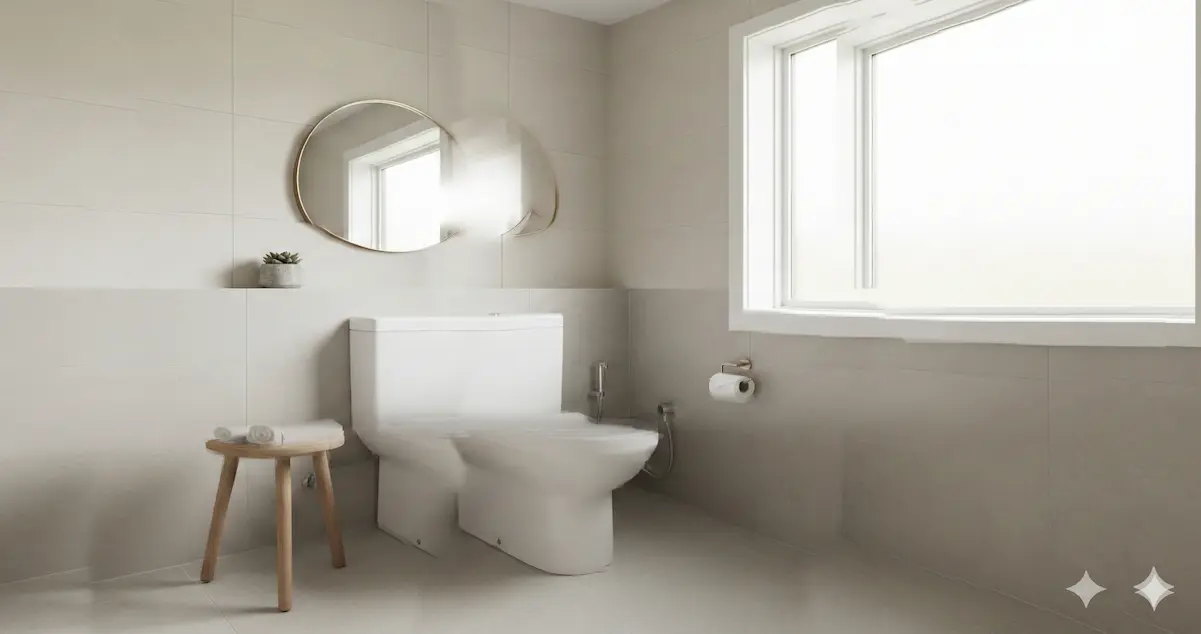
Are you dealing with a toilet that takes up too much space, looks outdated, or simply doesn’t perform the way you need it to? You’re not alone. Many homeowners face the same frustration, and that’s where the close coupled toilet steps in as a practical upgrade that reshapes how modern bathrooms look and work.
This guide is designed to clear up the confusion and help you understand what makes close coupled toilets such a smart choice for both renovations and new builds. You’ll learn what the term really means, how these toilets compare to older models, and which features matter most when you’re choosing one. We’ll also look at some of the most popular styles on the market so you feel confident about what to buy.
By the time you finish this guide, you’ll know the key benefits, available variations, and essential factors to consider before making a decision. You’ll be able to choose a close coupled toilet that not only looks good in your bathroom, but also performs reliably and helps you save money in the long run. Get ready to make a simple change that can transform your everyday bathroom experience.
What Is a Close Coupled Toilet?
A close coupled toilet is a modern toilet design where the cistern is fixed directly to the pan, forming one connected unit. This setup is different from older high-level or low-level toilets that have a visible pipe separating the tank and bowl. By keeping everything compact and unified, close coupled toilets offer better use of space and a cleaner appearance.
These toilets are made up of a few core parts: the cistern, the pan, the flush mechanism, and the seat. Because the cistern sits directly above the pan, water travels efficiently and quietly during each flush. This design has made close coupled toilets a common choice in contemporary homes, especially in bathrooms where layout and function matter.
Their popularity has grown over the years thanks to improvements in both design and engineering. What started as a practical option has now evolved into a stylish standard. Today, you’ll find versions with rimless bowls, soft-close seats, slimline cisterns, and advanced glazing that makes cleaning easier.
Modern close coupled toilets appeal to homeowners because they combine looks with practicality. They fit well into small or medium-sized bathrooms, are straightforward to install, and offer cleaner lines with fewer exposed parts. Many manufacturers now offer rimless models and anti-bacterial coatings, making them more hygienic than older designs.
Key Benefits of Close Coupled Toilets
Space-Saving Design
If you’re worried about whether a toilet will fit comfortably in your bathroom layout, a close coupled toilet can make that choice easier. These units take up less space than older high-level or low-level styles, giving you more room to move around. They work especially well in small bathrooms, en-suites, or any area where smart planning matters.
A short-projection model, for example, can free up noticeable floor space in a compact cloakroom. That small adjustment can make the room feel less cramped and more functional without sacrificing comfort.
Easier Installation and Maintenance
Since the cistern and pan are part of the same unit, installation is usually simpler. Plumbing connections are straightforward, and the design leaves fewer exposed pipes. That means less dust collecting behind the toilet and fewer areas to wipe down.
A handy homeowner could install one with the right tools, but it’s still better to hire a professional. Proper sealing and alignment ensure the toilet performs well and avoids issues like leaks or unstable fittings.
Improved Hygiene and Cleaning
The connected design leaves fewer gaps and hidden crevices where dirt can build up. That alone makes everyday cleaning easier. Many modern models also include rimless bowls, which allow water to flow more effectively around the pan to remove waste. It’s a noticeable improvement over older rimmed designs.
You’ll also find toilets with anti-bacterial coatings and easy-clean glazes. These surfaces help reduce germs and keep the bowl looking cleaner for longer.
Modern Aesthetics and Versatility
A close coupled toilet gives your bathroom a neat, cohesive look. The streamlined shape works well in contemporary designs, and the variety of styles means you can match it with almost any décor. Whether you prefer sharp angles, soft curves, or compact shapes, there’s a model that fits your taste.
Water Efficiency and Cost Savings
Most modern close coupled toilets come with dual-flush systems so you can choose how much water to use each time. This reduces waste and helps lower your monthly water bill. If you want even better efficiency, look for models with a WaterSense label. They use less water over time and can save you a meaningful amount on utilities.
Water-efficient toilets also contribute to a more sustainable home. Their long-term performance helps cut down on unnecessary water use, which benefits both your household and the environment.
Types and Variations of Close Coupled Toilets
Close coupled toilets come in several configurations, each designed to suit different spaces, comfort levels, and style preferences. Understanding these variations makes it easier to choose a toilet that fits your bathroom layout and supports your daily needs.
Standard vs. Short Projection
Projection refers to how far the toilet extends from the wall into the room. Standard projection models offer full-size comfort but can take up more floor space. Short projection toilets, on the other hand, are built with a reduced depth, making them a smart choice for narrow or compact bathrooms.
A short projection design can make a small cloakroom feel more open and easier to navigate. You still get the functionality of a full toilet, just in a slimmer profile that manages limited space more efficiently.
Comfort Height (Raised Height) Toilets
Comfort height toilets sit a little higher than standard models. This makes sitting down and standing up easier, especially for taller individuals, seniors, or anyone with mobility challenges. The extra height reduces strain on the knees and back and offers better overall ergonomics.
If comfort and accessibility matter in your home, it’s worth considering this option. A raised-height toilet can make a noticeable difference in daily use without changing the overall look of your bathroom.
Rimless Designs
Rimless toilets remove the traditional inner rim from the bowl. Instead of water circulating under a lip, the flush washes the bowl through an open, smooth edge. This creates a powerful, even flush that reaches all areas more effectively.
Since there’s no hidden rim, there’s also nowhere for bacteria or limescale to build up. This makes cleaning quicker and improves hygiene. If you want a toilet that stays cleaner with less effort, a rimless design is a strong option.
Flush Mechanisms
Modern close coupled toilets usually come with one of two flushing systems:
Dual Flush: These models let you choose between a lower-volume flush (often 3 litres or 2.5 litres) and a higher-volume flush (usually 6 litres or 4 litres). They save water over time and help lower utility costs.
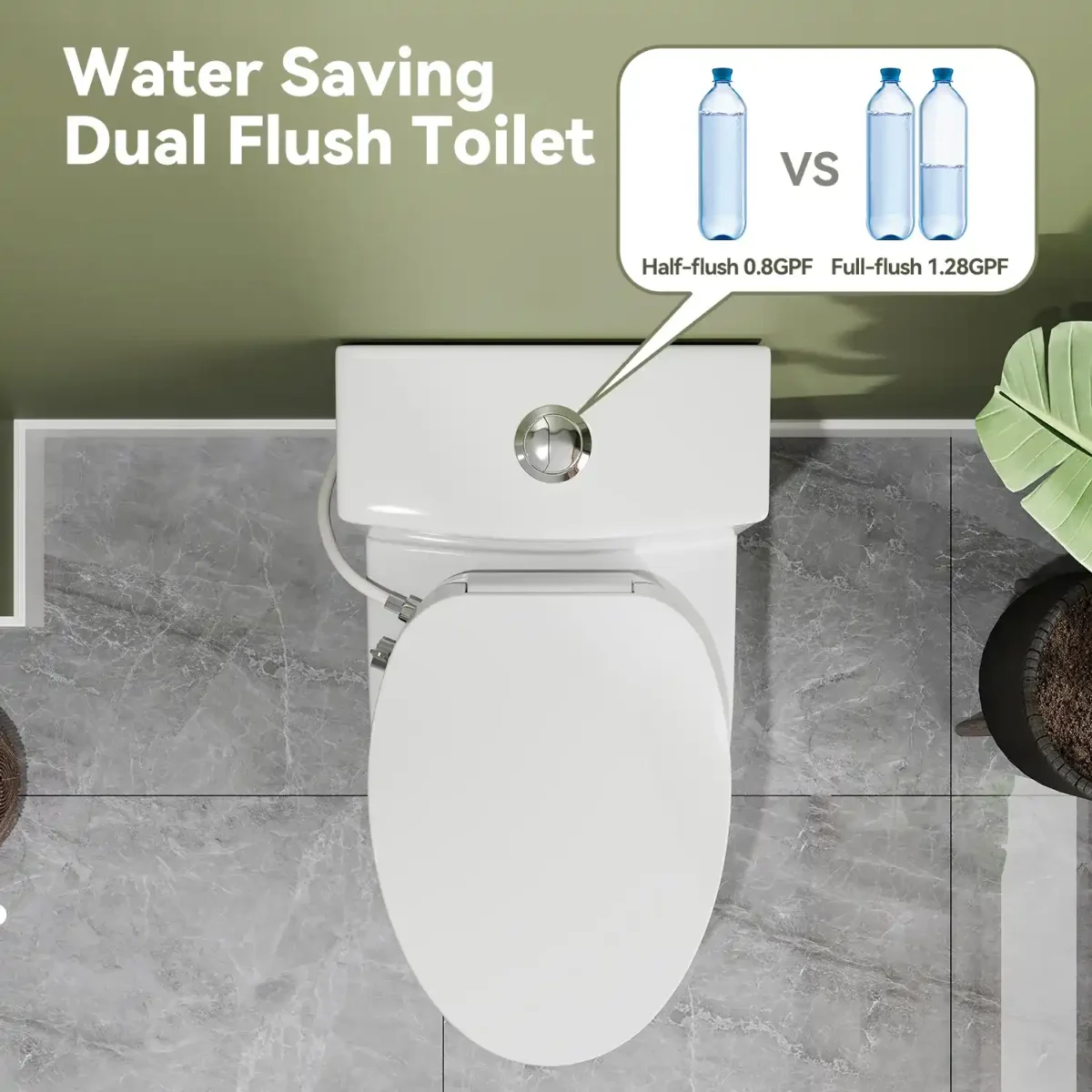
Dual Flush Water saving Toilet
Single Flush: Less common today, but still available. These toilets use the same volume of water for every flush.
You’ll also find differences in how the flush is controlled. Push buttons are the most common and fit modern designs well. Lever flushes still exist and work fine, but they’re typically seen in more traditional styles.
Design Aesthetics
Close coupled toilets come in a range of looks, allowing you to match your bathroom theme easily.
Bowl Shape:
• Round bowls take up less space and are great for small rooms.
• Elongated bowls offer a bit more comfort and feel more modern.
Overall Style:
• Contemporary designs feature clean lines and smooth edges.
• Traditional styles work well in classic or period-inspired interiors.
Back Design:
• Fully shrouded toilets hide all pipework for a neat appearance.
• Open-back models leave some plumbing visible but tend to be easier to install.
Table: Types and Features of Close Coupled Toilets
|
Type |
Key Features |
Best For |
|
Standard Projection |
Full-size depth, traditional fit |
Medium to large bathrooms |
|
Short Projection |
Reduced depth, compact footprint |
Small bathrooms and cloakrooms |
|
Comfort Height |
Raised seat height, ergonomic design |
Seniors, taller users, accessibility needs |
|
Rimless |
Open rim, powerful flush, easy cleaning |
Homes prioritising hygiene |
|
Dual Flush |
High and low flush options, water saving |
Eco-conscious households |
|
Single Flush |
One flush volume, simple mechanism |
Traditional setups |
|
Push Button Flush |
Modern look, easy operation |
Contemporary bathrooms |
|
Lever Flush |
Classic handle style |
Traditional interiors |
|
Round Bowl |
Compact shape |
Tight spaces |
|
Elongated Bowl |
Added comfort, modern feel |
Medium to large bathrooms |
|
Fully Shrouded |
Hidden plumbing, clean appearance |
Modern, minimalist designs |
|
Open Back |
Easier installation, visible pipes |
Older homes or budget-friendly projects |
Danco HYR451T HyrdroRight Universal Water-Saving Toilet Repair Kit with Dual Flush Valve, Lever Handle, White, HYR451T
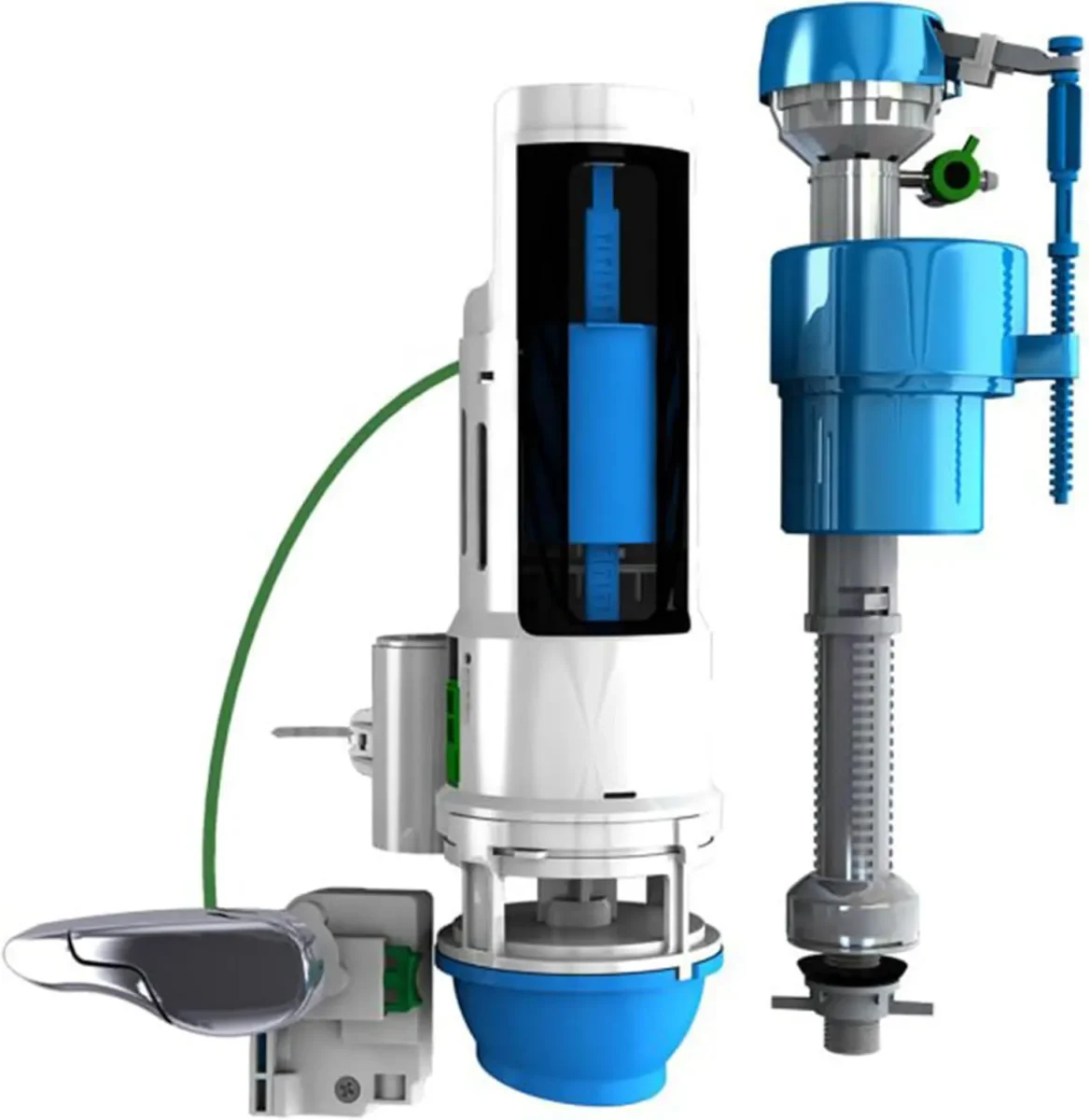
Universal Water-Saving Toilet Repair Kit with Dual Flush
Factors to Consider Before Buying (Buyer’s Guide)
Choosing the right close coupled toilet goes beyond style. It needs to fit your space, match your routine, and perform well for years. Keeping the following factors in mind will help you make a choice you won’t regret.
Bathroom Size and Layout
One of the most common challenges buyers face is figuring out whether a toilet will fit comfortably in their bathroom. Before you choose a model, measure the available space carefully. Look at the distance between walls, consider where the door opens, and make sure the toilet won’t interrupt movement in the room. Even a few centimetres can make a big difference in smaller spaces.
If you want extra help narrowing down your options, imagine an interactive “Toilet Finder” quiz that asks for your bathroom dimensions, shape, and style preferences. It could guide you toward the models best suited for your layout.
Rough-In Dimensions
The rough-in is the distance from the wall to the center of the waste pipe. Getting this measurement right is one of the most important steps in choosing a toilet. A mismatch can lead to installation issues or force you to pick a different model entirely.
Common rough-in sizes are usually around 12 inches (305 mm), but older homes may have 10-inch or 14-inch rough-ins. Measure carefully before buying. If your measurement doesn’t match the typical size, some manufacturers offer adjustable or specialty models that can accommodate the difference.
Water Efficiency (Flush Volume)
Modern toilets vary in how much water they use with each flush. Flush ratings are often listed in gallons per flush (GPF) or litres per flush (Lpf). A dual-flush toilet lets you choose between a low-volume flush for liquids and a higher volume for solids. This cuts down on water usage and can lower your utility bills over time.
WaterSense-certified models meet strict efficiency standards and are worth prioritising if you want long-term savings. Even small differences in water use add up over the lifespan of a toilet.
Material, Durability, and Finish
Most close coupled toilets are made from vitreous china or ceramic. Vitreous china has a durable, glass-like coating that resists stains and provides a smoother finish. It’s long-lasting and holds up well against everyday cleaning.
Look for high-quality glazing that reduces the chance of staining or discolouration. A good glaze not only improves hygiene but also extends the life of the toilet. With proper care, a quality model can last for many years.
Design and Aesthetics
Your toilet should complement the rest of your bathroom. Think about whether round or elongated bowls suit your space and comfort needs. Round bowls save space, while elongated bowls provide more seating area and feel more comfortable.
You can also choose toilets with hidden fixings that keep screws and connectors out of sight. This creates a cleaner appearance and makes the bathroom look more polished.
Budget and Value
Close coupled toilets come in a wide range of prices depending on design, features, and brand reputation. While it’s tempting to go for the cheapest option, it’s better to weigh the long-term value. A well-built toilet will last longer, perform better, and have spare parts readily available if something needs replacing.
Spending a little more upfront can save you time and money later, especially if you choose a model known for reliability and durability.
Brand Reputation and Warranty
A toilet from a reputable manufacturer usually comes with better build quality and stronger customer support. Before buying, check reviews and see what others say about flushing performance, durability, and after-sales service.
Look at the warranty terms too. A good warranty can give you peace of mind and protection against defects.
Seat Comfort and Features
Toilet seat comfort is often overlooked, but it matters in daily use. Soft-close seats prevent slamming and are quiet, while quick-release seats make cleaning easier. Some models come with heated seats or integrated bidet features if you want extra comfort and convenience.
Make sure the seat shape matches the bowl, especially when upgrading or replacing an older toilet.
Flushing Performance
A toilet’s flush system determines how well it clears waste and prevents blockages. Siphon jet systems create strong suction, while washdown systems rely on downward water flow. Both can work well depending on your needs.
For more reassurance, look at flushing performance reviews. In some regions, MaP (Maximum Performance) scores indicate how effectively a toilet handles waste. Higher scores usually mean fewer chances of clogs.
Top Close Coupled Toilets: Product Roundup and Reviews
With so many close coupled toilets on the market, narrowing down the best options can feel overwhelming. To make the process easier, we created a shortlist based on a balanced mix of expert insight and real user experiences.
Our Selection Methodology
We evaluated each toilet using consistent, transparent criteria. Water efficiency, build quality, user satisfaction, flushing performance, design versatility, and overall value were the main factors. We also reviewed long-term performance notes from tradespeople, homeowner testimonials, and reputable product testing sources. This blend of verified feedback and expert opinion ensures our selections reflect both durability and everyday usability.
Below you'll find detailed reviews of standout models that offer strong performance in different categories, ranging from compact layouts to luxury upgrades.
Featured Models and Detailed Reviews
Duravit D-Neo Close Coupled Toilet
- Modern minimalist look
- High-quality ceramic build
- Efficient dual-flush system
- Slim, easy-to-clean profile
- Pricier than basic models
- Seat upgrades may cost extra
Unique Features:
The D-Neo range is known for its geometric design and slimline shapes. The rimless bowl improves hygiene and reduces cleaning effort.
Ideal Use Case: Perfect for modern minimalist bathrooms where clean lines and durable materials matter.
Duravit 2157010005 DuraStyle One-Piece Elongated Toilet White
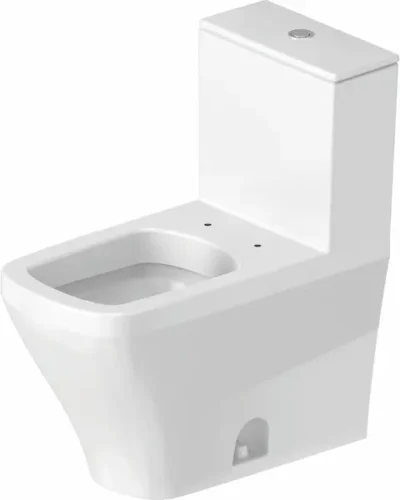
Roca The Gap Close Coupled Toilet
- Space-saving short projection design
- Reliable dual-flush efficiency
- Comfortable bowl shape
- Strong reputation for long-term performance
- Some models sold without a seat
- Installation can be tight in older homes
Unique Features:
The reduced-depth pan makes this toilet a favourite for compact rooms. It balances comfort and space efficiency well.
Ideal Use Case:
Great for small bathrooms or contemporary interiors that need a neat, compact toilet without sacrificing comfort.
Roca Atlanta White Toilet Seat with Chrome Hinges (A801289004)
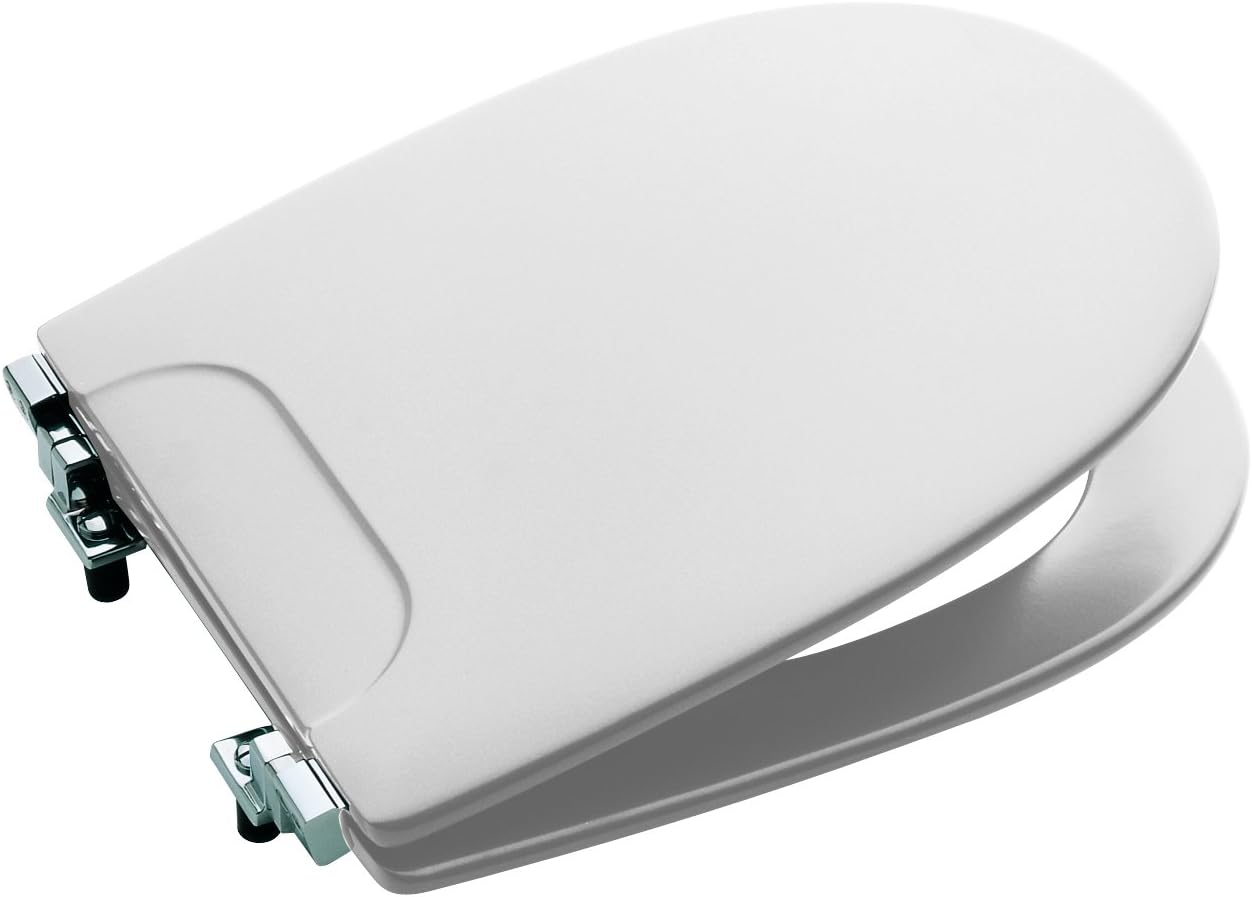
Roca Atlanta White Toilet Seat
Villeroy & Boch Close Coupled Toilet
- Excellent build quality
- Smooth ceramic finish
- Consistent flush performance
- Traditional yet refined look
- Slightly heavier unit
- May require a certified installer
Unique Features:
The O.Novo range offers a classic aesthetic with modern engineering. It uses high-grade ceramics and an efficient flushing system.
Ideal Use Case:
Ideal for homeowners looking for a reliable option with a timeless style.
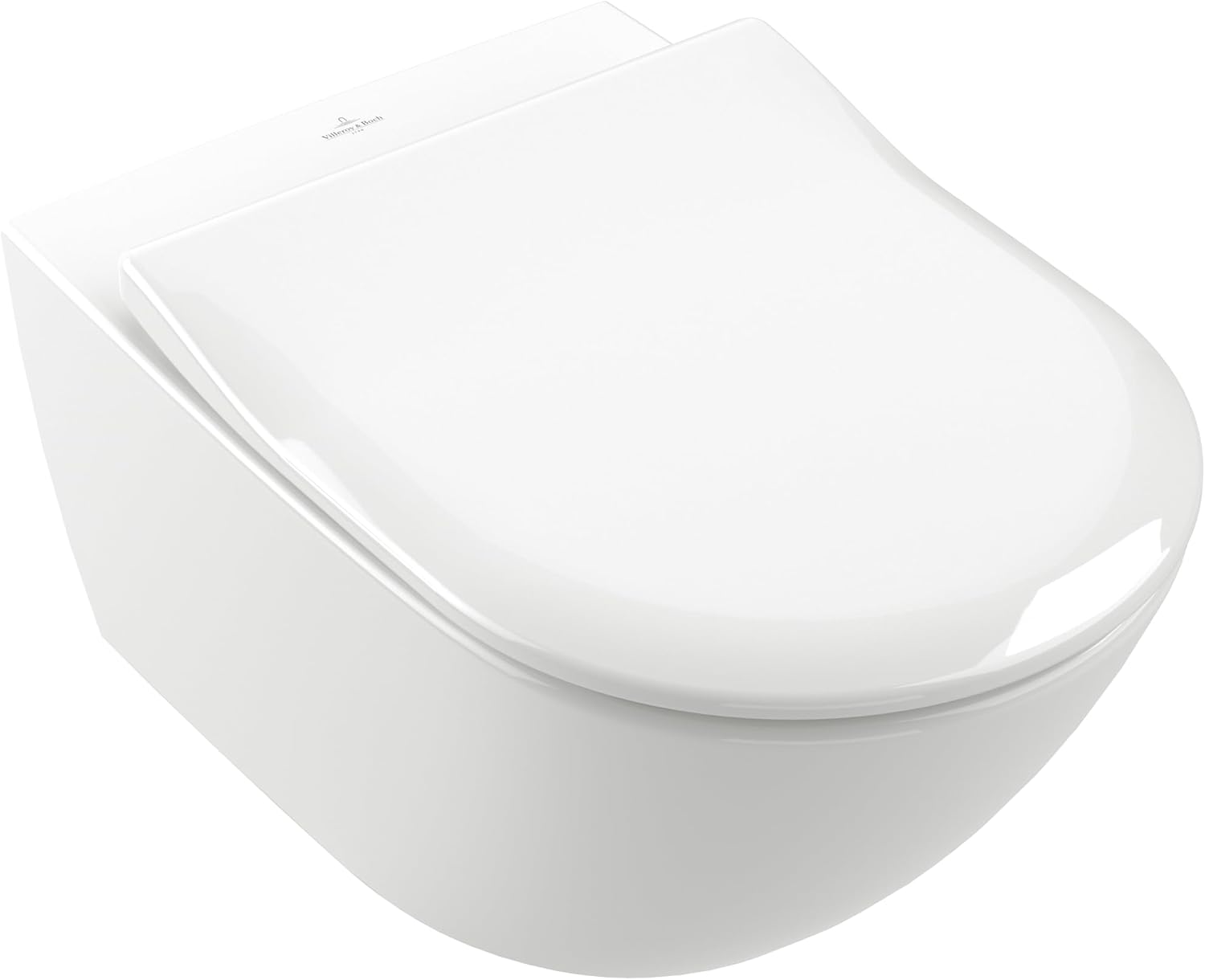
Villeroy & Boch Subway Toilet
VitrA S20 Close Coupled Toilet
Pros:
• Budget-friendly
• Easy installation
• Solid performance for the price
• Optional soft-close seat
Cons:
• More basic design
• Not as feature-rich as premium models
Unique Features:
This model delivers dependable function without the high price tag. It’s a practical option for rental properties or budget renovations.
Ideal Use Case:
A strong fit for homeowners wanting an affordable toilet with reliable everyday performance.
Ideal Standard Concept Air Close Coupled Toilet
Pros:
• Sleek, lightweight design
• Impressive water-saving flush
• Easy-clean bowl
• Strong brand reputation
Cons:
• Seat mechanism can feel light
• Higher price point
Unique Features:
Concept Air focuses on softness and minimalism. The refined glazing and efficient flush make it a strong choice for eco-conscious bathrooms.
Ideal Use Case:
Best for stylish bathrooms where a refined, water-efficient design is important.
Tavistock Vibe Close Coupled Toilet
Pros:
• Rimless bowl for superior hygiene
• Modern styling
• Easy-to-clean design
• Good overall value
Cons:
• Slightly bulkier shape
• Seat quality varies by retailer
Unique Features:
The rimless design is the standout feature, making cleaning quicker and reducing unseen germs.
Ideal Use Case:
Great for modern homes focused on cleanliness and low-maintenance fixtures.
Laufen Pro Close Coupled Toilet
Pros:
• Durable European build
• Clean lines with a premium look
• Strong flush efficiency
• Long-lasting ceramic quality
Cons:
• Higher cost
• Some models require specific seat fittings
Unique Features:
Laufen Pro is known for Swiss engineering and long-term durability. Its well-balanced flush system reduces blockages and adds everyday reliability.
Ideal Use Case:
Ideal for homeowners who want a premium-quality toilet that lasts for years with minimal fuss.
Comparison Table: Recommended Close Coupled Toilets
|
Model |
Key Strengths |
Best For |
|
Duravit D-Neo |
Modern design, rimless hygiene, strong build |
Minimalist bathrooms |
|
Roca The Gap |
Short projection, efficient flush |
Compact spaces |
|
Villeroy & Boch O.Novo |
Classic look, dependable performance |
Traditional homes |
|
VitrA S20 |
Budget-friendly, easy to install |
Rentals or budget renovations |
|
Ideal Standard Concept Air |
Sleek style, water-efficient |
Eco-conscious remodels |
|
Tavistock Vibe |
Rimless design, easy cleaning |
Modern hygiene-focused homes |
|
Laufen Pro |
Premium durability, strong flush |
Long-term quality seekers |
Visual Suggestions
You could pair this section with simple comparison graphics. For example:
• A side-by-side layout showing the top three models with icons for flush type, bowl shape, and projection size.
• A short infographic comparing rimless vs. standard bowls.
• An interactive slider that lets users compare flush volumes, seat features, or projection depth.
These visuals can help readers make clearer and quicker decisions, especially when comparing models with similar features.
Installation Guide and Considerations
Installing a close coupled toilet may look straightforward, but it still requires some planning and a solid understanding of basic plumbing. Whether you’re doing it yourself or hiring a professional, knowing what to expect helps you avoid mistakes and ensures reliable performance.
Is DIY Installation Right for You?
Before you decide to install the toilet yourself, take an honest look at your skill level. You’ll need basic plumbing knowledge, patience, and the right tools. If you’ve never replaced a toilet before, the process can feel more technical than expected.
Professional plumbers can handle the job quickly and make sure the toilet is sealed correctly, which prevents leaks and long-term issues. Factoring in installation costs is important because expert installation often saves time and avoids costly repairs later.
Pre-Installation Preparations
Start by measuring your rough-in. This confirms that the toilet you purchased matches your bathroom layout. Measure from the finished wall to the center of the waste pipe, and double-check the number before buying or unboxing your toilet.
Clear the workspace so you can move easily around the installation area. Lay down towels or protective sheets to catch any water spills. Make sure the water supply to the toilet is fully turned off, and flush the old toilet to empty the tank before removal.
Key Installation Steps (High-Level Overview)
Here’s a simplified breakdown of what the installation process usually involves:
- Removing the old toilet
Disconnect the water supply, unbolt the toilet, and lift it off the floor. Be ready for a small amount of water to drain from the bowl and tank. - Preparing the waste pipe and floor flange
Clean the flange and check that it’s in good condition. Replace damaged parts and ensure the waste pipe is clear of debris. - Fitting the pan and cistern assembly
Position the new toilet pan over the flange with a proper wax ring or sealing gasket. Secure the base with bolts. Attach the cistern to the pan, making sure all seals are tight. - Connecting the water supply and testing
Reconnect the water line, open the valve, and let the tank fill. Check for leaks around the base, cistern connections, and supply hose. Flush several times to confirm everything is stable.
Common DIY Mistakes to Avoid
Small errors during installation can lead to long-term issues. Some of the most common mistakes include:
- Placing the wax ring incorrectly, which can cause leaks under the toilet
• Tightening bolts too much, which can crack the ceramic
• Misaligning the water supply line or forgetting to tighten connections evenly
• Not leveling the toilet, which can lead to wobbling or poor sealing
Taking your time and double-checking each step helps avoid these problems.
Table: Pre-Installation Checklist for Close Coupled Toilets
|
Task |
Completed? |
|
Measure rough-in accurately |
☐ |
|
Confirm toilet dimensions match your bathroom. |
☐ |
|
Turn off the water supply.y |
☐ |
|
Clear installation area |
☐ |
|
Gather tools: wrench, screwdriver, sealant, wax ring, and towels. |
☐ |
|
Check the floor flange condition. |
☐ |
|
Prepare the water supply hose and fitting.s |
☐ |
|
Test new toilet parts before installation. |
☐ |
Maintenance and Cleaning Tips
Keeping your close coupled toilet in good condition doesn’t require much effort, but consistency matters. A simple routine protects the finish, prevents buildup, and keeps the flushing system working the way it should.
Routine Cleaning for Longevity
A good maintenance schedule breaks down into daily, weekly, and monthly tasks.
Daily cleaning is all about quick wipe-downs. A soft cloth and mild bathroom cleaner keep dust, splashes, and light marks from settling on the ceramic or seat.
Weekly cleaning should be more thorough. Scrub the bowl with a toilet brush, clean under the seat hinges, and wipe the exterior. If your toilet has a plastic seat, use non-abrasive cleaners to avoid scratching the surface. Ceramic surfaces can handle more frequent cleaning, but stick to gentle products to protect the glaze.
Monthly maintenance involves a deeper check. Inspect the cistern, make sure the flush mechanism is working smoothly, and clean the harder-to-reach areas around the base and behind the pan.
Addressing Common Issues
Hard water can leave limescale on the bowl, rim, and fittings. Prevent this by using a descaler once every few weeks, especially if you live in an area where mineral buildup is common. Wiping away early deposits before they harden makes your job much easier.
Minor clogs often come from excess tissue or slow-draining pipes. A plunger usually solves this quickly. If the issue repeats, it may be worth checking the trapway or calling a plumber for a more thorough look.
Weak flushes are often caused by either a low water level in the cistern or partial blockages in the rim holes. Adjusting the fill valve or cleaning the rim with a bottle brush usually restores normal performance.
Eco-Friendly Cleaning Solutions
If you want to avoid chemical cleaners, natural ingredients work surprisingly well.
Vinegar helps dissolve limescale, especially when left in the bowl or cistern overnight. Baking soda is ideal for deodorizing and lifting stains without scratching the glaze.
Avoid harsh bleach or acidic cleaners if possible. Over time, they can discolor seats, damage silicone seals, and wear down the protective finish on ceramic surfaces.
Cleaning Product Recommendations and Frequency
|
Cleaning Product / Method |
Best Use |
Recommended Frequency |
|
Mild bathroom cleaner |
Daily wipe-downs |
Daily |
|
Toilet bowl cleaner/descaler |
Stain and limescale removal |
Weekly |
|
Vinegar soak |
Mineral buildup prevention |
Monthly |
|
Baking soda scrub |
Deodorizing and spot cleaning |
Weekly |
|
Disinfectant wipes |
Seat and exterior sanitation |
Weekly |
Beyond the Flush: Why Rimless Designs Change Everything
Rimless toilets take a lot of the work out of cleaning. Without the hidden rim, there’s no place for grime, bacteria, or limescale to hide. A quick brush around the bowl is usually enough to keep things spotless. Many homeowners notice that switching to a rimless design cuts their cleaning time in half and reduces long-term staining.
(FAQs) About Close Coupled Toilets
Conclusion and Final Recommendations.
Choosing the right close coupled toilet comes down to balancing space, comfort, performance, and style. These toilets work well in most bathrooms because they combine a compact footprint with reliable function. Modern designs offer strong flushing power, improved water efficiency, and cleaner lines, which means you don’t have to compromise between practicality and aesthetics.
Before making a final decision, take a moment to measure your rough-in so your new toilet fits without surprises. Keep an eye on water efficiency, especially if you want to lower your utility bills over time. Features like rimless bowls and high-quality glazes can also make cleaning easier and help maintain better hygiene. These small details play a big role in how well your toilet performs day to day.
With the information you’ve gathered, you should feel confident choosing a toilet that works for your space and your budget. There’s no single “best” model for everyone. The right choice depends on your bathroom layout, preferred style, and the features that matter most to you. Taking the time to compare options and understand how each one fits your needs will lead to a much better long-term experience.
As you wrap up your search, remember the value of clear visuals, honest product evaluations, and real user feedback. High-quality images and transparent comparisons can make the decision process much easier. If possible, explore real before-and-after photos from homeowners who upgraded their bathrooms with close coupled toilets. These examples can offer practical inspiration and highlight the improvements you can expect in your own home.
More aligned with the connected homes people are building today.