


Leather Honey & Beyond The Ultimate Guide to Choosing the Best Leather Cleaner for Every Type
January 10, 2026
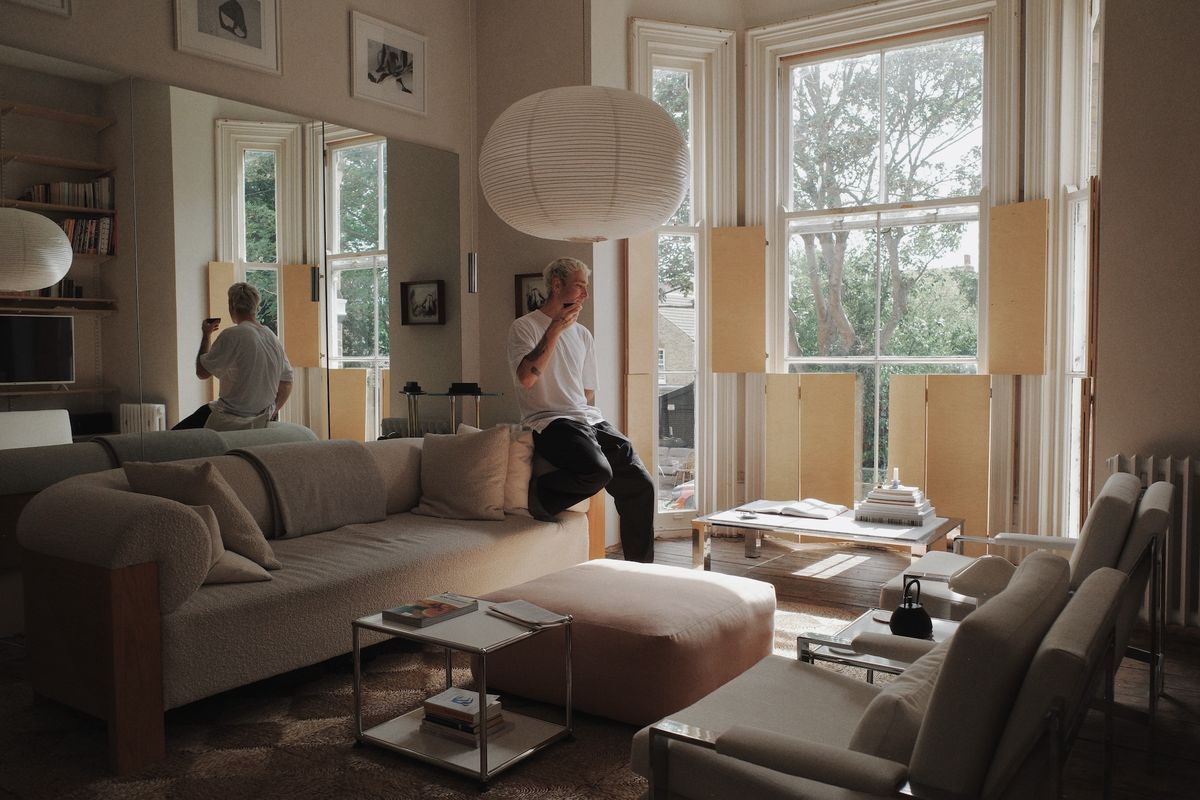
The Small Space Sofa Challenge
Living in a cozy apartment, a minimalist studio, or a charming tiny home has its own kind of appeal. Smaller spaces often feel warm, personal, and easier to maintain. But when it comes to furnishing them, especially the living area, things can get tricky. One of the biggest challenges people face is finding a sofa that offers real comfort without overwhelming the room. If you’ve ever tried shopping for a couch that fits perfectly in a compact space, you already know how frustrating the process can be.
Many people start with a simple goal: find a sofa that looks great, feels comfortable, and fits the available space. Sounds easy enough, right? In reality, it’s often much harder than expected. Most sofas in showrooms are designed with larger living rooms in mind. They look beautiful in spacious displays, but once you imagine them inside a smaller apartment or studio, the proportions quickly feel off. A sofa that seems perfectly normal in the store can suddenly dominate your entire living room once it arrives at home.
The struggle doesn’t stop there. Some sofas may technically fit the space but lack style or comfort. Others might look amazing but turn out to be far too bulky when you measure them properly. And then there’s another common issue people forget to consider until it’s too late: getting the sofa through the front door, up the stairs, or around tight hallways. It’s not uncommon for people to fall in love with a piece of furniture only to realize later that it simply won’t make it inside their home.
These challenges can make sofa shopping feel overwhelming, especially when you’re trying to avoid making an expensive mistake. After all, a sofa is often one of the most important pieces of furniture in a home. It’s where you relax after a long day, host friends, watch movies, read books, or simply unwind. In a smaller living space, it often becomes the centerpiece of the room, which makes choosing the right one even more important.
The good news is that finding the perfect sofa for a small space is absolutely possible. It just requires a slightly different approach compared to furnishing a larger home. Instead of focusing only on appearance, you need to think about scale, proportions, functionality, and clever design features. The right sofa can make your living area feel comfortable, open, and well-balanced rather than crowded or cluttered.
This guide is designed to help you navigate the entire process with confidence. Instead of guessing what might work, you’ll learn practical strategies that take the stress out of sofa shopping. From understanding how to measure your space properly to identifying designs that are ideal for compact rooms, every step will bring you closer to making a smart decision.
You’ll also discover how small design choices can make a big difference. Certain sofa styles naturally create a lighter, more open feeling in a room. Others include built-in features that provide extra functionality without taking up additional floor space. Knowing what to look for can completely change the way you approach furniture shopping.
In addition to helping you choose the right sofa, this guide will also share simple styling ideas that make a small living room feel bigger and more inviting. When furniture, layout, and décor work together, even the smallest living area can feel comfortable and thoughtfully designed.
By the end, you’ll have a clear understanding of how to choose a sofa that fits your space, supports your lifestyle, and complements your personal style. Instead of worrying about making the wrong choice, you’ll feel confident selecting a piece that enhances your home while preserving every bit of valuable space.
A small living room doesn’t have to mean sacrificing comfort or style. With the right knowledge and a bit of planning, you can create a space that feels both practical and beautiful. And it all starts with finding the sofa that fits just right.
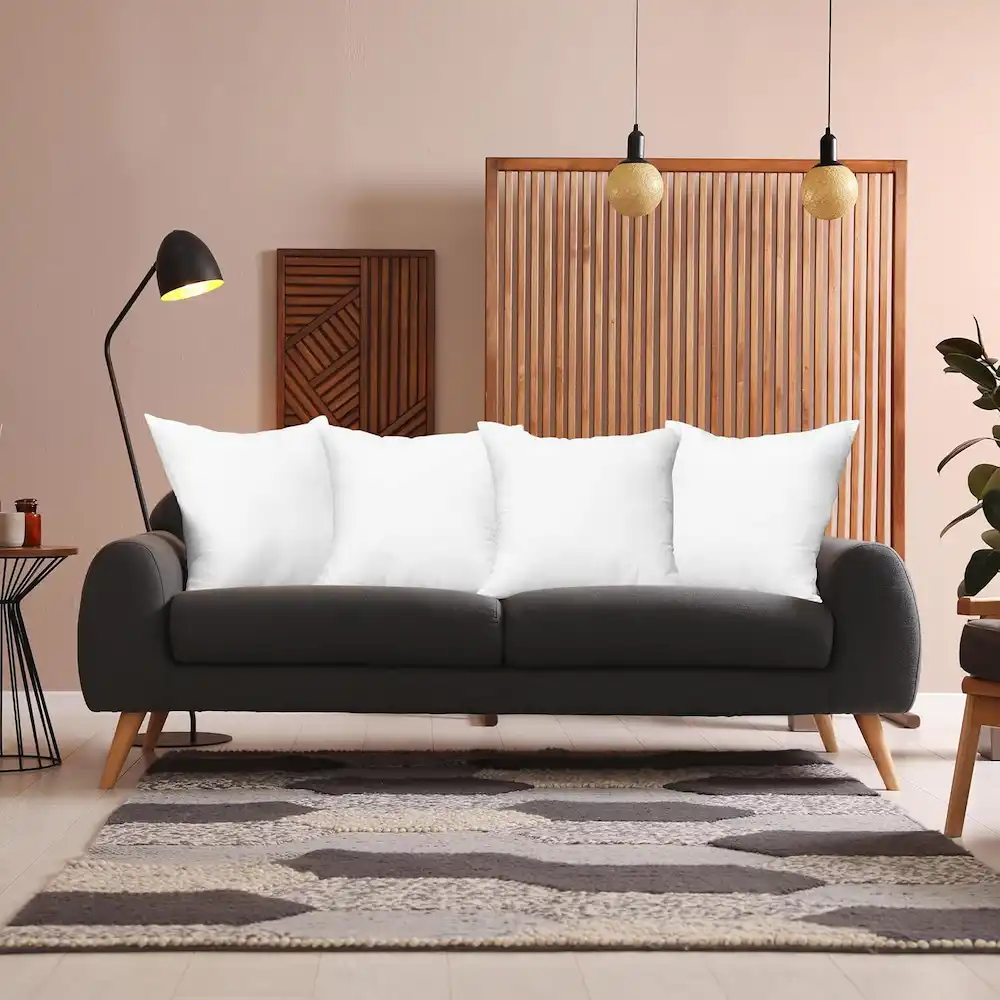
Sofa with Rugs
The Small Space Sofa Challenge: Why Compact Living Demands Smart Choices
Furnishing a small living space requires a different mindset than decorating a large home. In compact apartments, studios, and tiny houses, furniture choices directly affect how comfortable and functional the space feels. A sofa is usually the largest piece in the room, which means choosing the wrong one can quickly make a small area feel cramped and difficult to navigate.
Understanding the challenges that come with compact living helps you make smarter decisions before you buy.
Many people start with a simple goal: find a sofa that looks great, feels comfortable, and fits the available space. Sounds easy enough, right? In reality, it’s often much harder than expected. Most sofas in showrooms are designed with larger living rooms in mind. They look beautiful in spacious displays, but once you imagine them inside a smaller apartment or studio, the proportions quickly feel off. A sofa that seems perfectly normal in the store can suddenly dominate your entire living room once it arrives at home.
The struggle doesn’t stop there. Some sofas may technically fit the space but lack style or comfort. Others might look amazing but turn out to be far too bulky when you measure them properly. And then there’s another common issue people forget to consider until it’s too late: getting the sofa through the front door, up the stairs, or around tight hallways. It’s not uncommon for people to fall in love with a piece of furniture only to realize later that it simply won’t make it inside their home.
These challenges can make sofa shopping feel overwhelming, especially when you’re trying to avoid making an expensive mistake. After all, a sofa is often one of the most important pieces of furniture in a home. It’s where you relax after a long day, host friends, watch movies, read books, or simply unwind. In a smaller living space, it often becomes the centerpiece of the room, which makes choosing the right one even more important.
The good news is that finding the perfect sofa for a small space is absolutely possible. It just requires a slightly different approach compared to furnishing a larger home. Instead of focusing only on appearance, you need to think about scale, proportions, functionality, and clever design features. The right sofa can make your living area feel comfortable, open, and well-balanced rather than crowded or cluttered.
This guide is designed to help you navigate the entire process with confidence. Instead of guessing what might work, you’ll learn practical strategies that take the stress out of sofa shopping. From understanding how to measure your space properly to identifying designs that are ideal for compact rooms, every step will bring you closer to making a smart decision.
You’ll also discover how small design choices can make a big difference. Certain sofa styles naturally create a lighter, more open feeling in a room. Others include built-in features that provide extra functionality without taking up additional floor space. Knowing what to look for can completely change the way you approach furniture shopping.
In addition to helping you choose the right sofa, this guide will also share simple styling ideas that make a small living room feel bigger and more inviting. When furniture, layout, and décor work together, even the smallest living area can feel comfortable and thoughtfully designed.
By the end, you’ll have a clear understanding of how to choose a sofa that fits your space, supports your lifestyle, and complements your personal style. Instead of worrying about making the wrong choice, you’ll feel confident selecting a piece that enhances your home while preserving every bit of valuable space.
A small living room doesn’t have to mean sacrificing comfort or style. With the right knowledge and a bit of planning, you can create a space that feels both practical and beautiful. And it all starts with finding the sofa that fits just right.
Understanding the Unique Constraints of Small Spaces
Small homes come with several limitations that require careful planning.
Limited floor area
In a compact room, every inch of space matters. Unlike larger homes where furniture can be rearranged more freely, small living areas leave little room for trial and error. A sofa that is just a few inches too deep or too wide can disrupt the balance of the entire room.
Multi-functional zones
Small spaces often serve multiple purposes at once. A living room may double as a dining area, workspace, or even a sleeping zone for guests. Because of this, the sofa you choose needs to work well alongside other functions instead of dominating the room.
Challenging access points
Getting furniture into a small apartment can be just as difficult as fitting it inside the room. Narrow hallways, tight staircases, and small elevators can quickly turn delivery day into a stressful experience. A sofa that looks perfect online might not even make it through the doorway if you haven’t checked the measurements carefully.
When these constraints are ignored, the result is usually a crowded space that feels uncomfortable and difficult to move around in.
The Difference Between “Small” and “Small Space Designed”
One common mistake people make is assuming that any smaller sofa will work well in a compact home. In reality, there is a big difference between a sofa that is simply scaled down and one that is intentionally designed for small spaces.
Scaled-down sofas are often just smaller versions of traditional couches. They might be shorter in length but still bulky in depth or height. This can make them feel heavy and visually overpowering in a tight room.
Purpose-built small-space sofas, on the other hand, are designed with compact living in mind. These pieces often feature slimmer arms, raised legs, and lighter frames. Their proportions are carefully balanced so they provide comfortable seating while taking up less visual and physical space.
The key factors that make a sofa suitable for small spaces include:
- A compact footprint that fits comfortably within the room
- Reduced visual weight so the sofa does not dominate the space
- Versatile features that support multiple uses
Choosing furniture designed specifically for smaller homes can make a noticeable difference in how open and functional your living area feels.
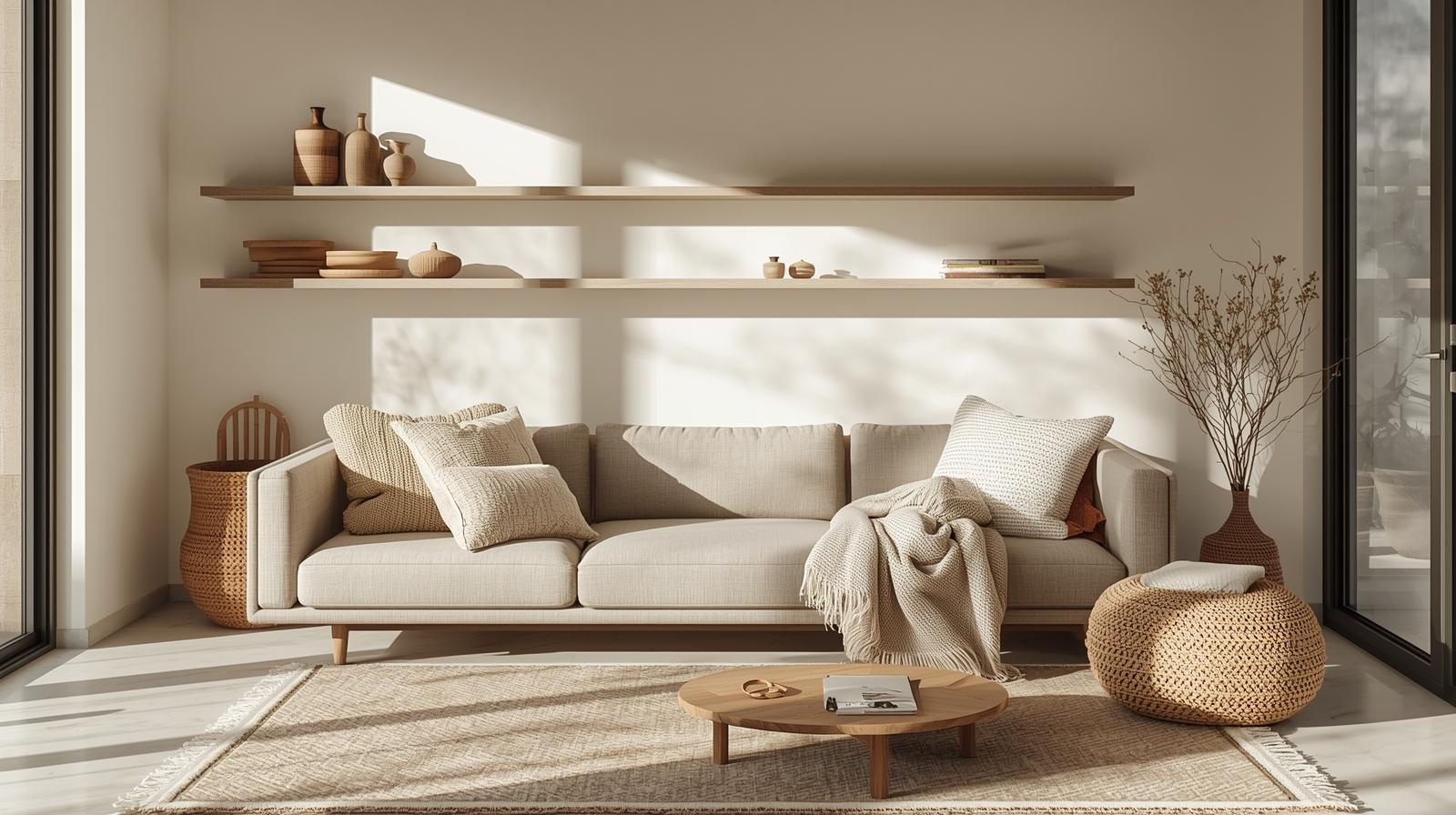
Impact of a Sofa on Room Flow and Perception
In small rooms, furniture placement affects not only how the space functions but also how large it appears.
An oversized sofa can block natural pathways and create awkward movement patterns. If people need to squeeze around furniture just to walk through the room, the space will immediately feel cluttered and restrictive.
A well-proportioned sofa does the opposite. It allows clear walking paths and keeps the layout organized. This helps the room feel calm, open, and comfortable.
Design details also influence how spacious a room appears. Sofas with raised legs, slim arms, and lower backs tend to look lighter and less bulky. These subtle design choices allow more of the floor and wall space to remain visible, which creates the illusion of a larger room.
When chosen carefully, a sofa can actually enhance the sense of space instead of reducing it.
Understanding Your Small Space: Pre-Purchase Planning and Measurement Mastery
Before purchasing a sofa, careful planning is essential. Many furniture problems occur not because the sofa itself is bad, but because it was selected without fully understanding the space it needs to fit into.
A few simple steps can help you avoid costly mistakes.
Accurate Measuring Techniques for Success
Measuring correctly is the most important part of buying furniture for a small home.
Measure your living area.
Record the full length and width of the room. If the ceiling is low, note the height as well. Ceiling height can influence whether a tall sofa back will make the room feel closed in.
Map out entry points.
Next, measure every access point the sofa will pass through:
- Front door width and height
- Hallway width
- Staircase clearance
- Elevator dimensions
- Tight corners or turns
Many sofas arrive fully assembled or in large sections. Knowing the size of these spaces ensures the furniture can actually be delivered without problems.
Consider existing furniture and movement paths.
Your sofa should not block everyday movement. Leave enough space for people to walk comfortably through the room. In small living areas, even a few extra inches can make a noticeable difference in comfort and flow.
Visualizing Sofa Fit Before You Buy
Measurements are important, but visualizing the sofa in the room can help you make better decisions.
Types of Sofas Designed for Compact Living
When space is limited, the type of sofa you choose matters just as much as its size. Certain designs work naturally better in smaller homes because they focus on efficient use of space, lighter visual weight, and flexible functionality.
Interior designers often look for furniture that balances comfort with practicality. The goal is to provide enough seating while keeping the room open and easy to move through. The following sofa types are commonly recommended for compact living because they address those needs in different ways.
Loveseats
Loveseats are one of the most popular choices for small spaces. As the name suggests, they are designed to comfortably seat one or two people, making them ideal for apartments, studios, and cozy living rooms.
Compared to traditional three-seat sofas, loveseats have shorter lengths and a more compact footprint. Many feature two seat cushions and a streamlined frame that keeps the design balanced without feeling oversized.
Their smaller dimensions allow them to fit into areas where a standard sofa would feel overwhelming. A loveseat can also work well when paired with a chair or ottoman, creating a flexible seating arrangement that feels more open than a large couch.
Another advantage of loveseats is their versatility. They can function as the main sofa in a studio apartment or serve as secondary seating in a slightly larger living area. Because they take up less floor space, they allow room for other furniture such as coffee tables, side tables, or shelving.
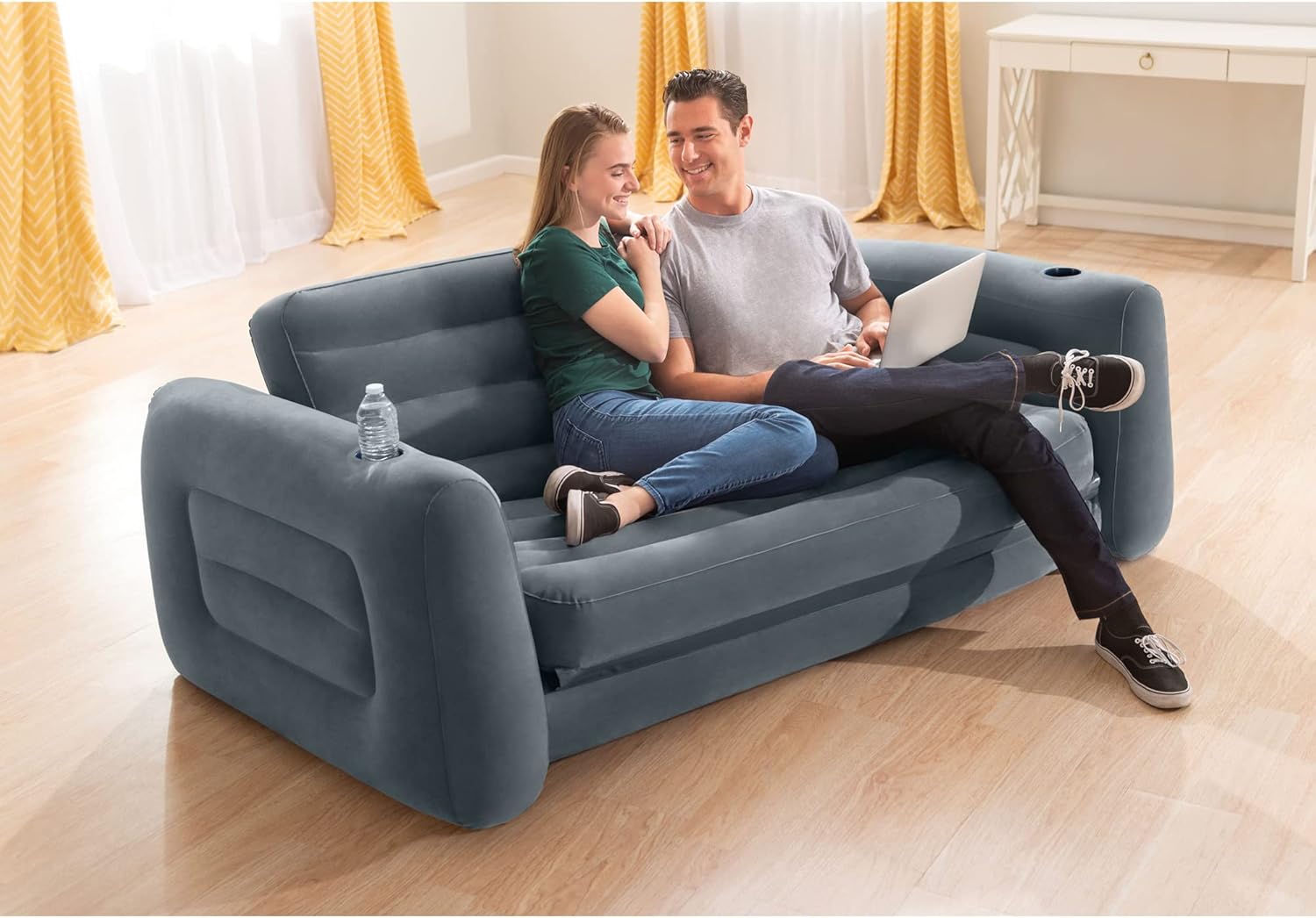
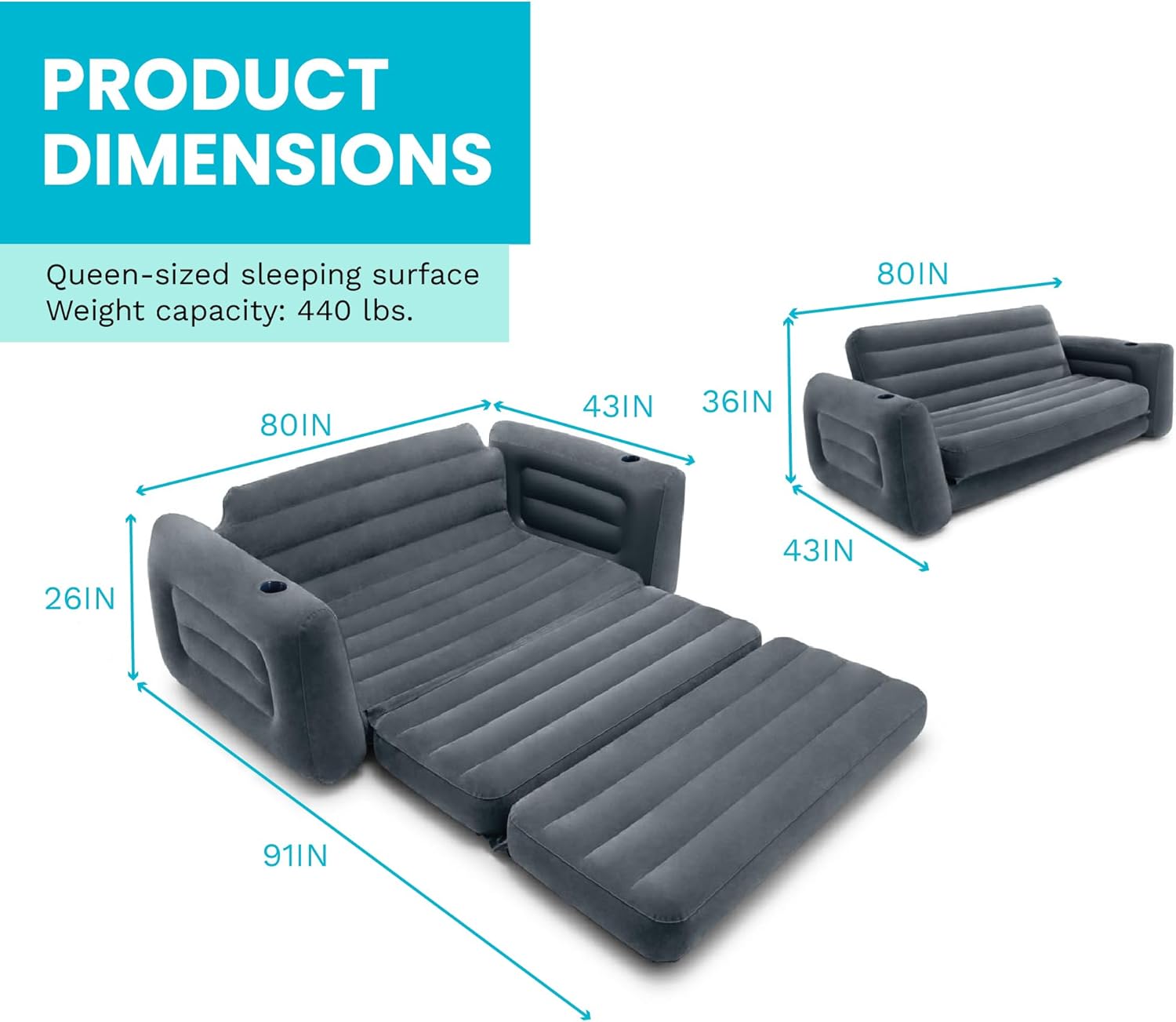
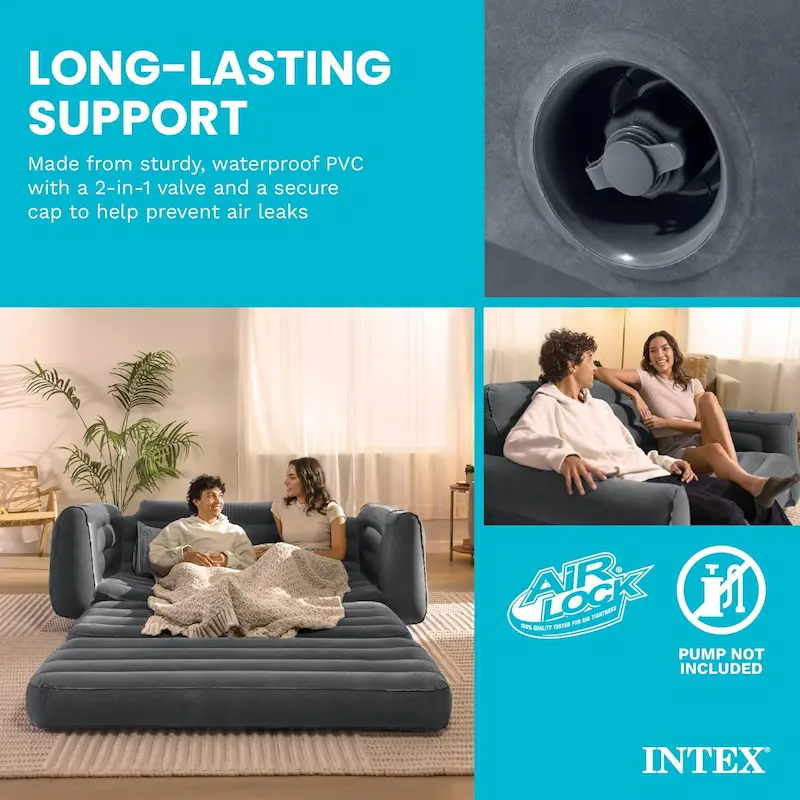
Intex Inflatable Pull-Out Sofa Bed 2-in-1 Blow-Up Couch with Cup Holder
Modular Sofas
Modular sofas are designed with flexibility in mind. Instead of being a single fixed piece of furniture, they are made up of separate sections that can be arranged in different configurations.
These individual pieces may include:
- Armless chairs
- Corner units
- Chaises
- Ottomans
Because the components can be rearranged, modular sofas adapt easily to different room layouts.
Another advantage is that modular sofas are easier to deliver in tight spaces. Since they arrive in separate pieces, they can pass through narrow hallways, staircases, and elevators more easily than large traditional sofas.
For people living in compact homes who value flexibility, modular designs offer a smart long-term solution.
Sleeper Sofas and Sofa Beds
In small apartments, furniture often needs to serve more than one purpose. This is where sleeper sofas become incredibly useful.
A sleeper sofa functions as a regular couch during the day and converts into a bed when needed. This makes it perfect for studio apartments or homes without a dedicated guest room.
There are several common types of sofa beds:
Pull-out sofas
These contain a hidden mattress that folds out from beneath the seat cushions.
Click-clack sofas
The backrest folds down flat to create a sleeping surface.
Futon-style sofas
These feature a simple frame and mattress that can shift between sitting and sleeping positions.
Each style has its own advantages, but mattress quality is an important factor to consider. If the sofa bed will be used frequently for sleeping, a supportive mattress can make a big difference in comfort.
Sleeper sofas allow small homes to remain functional and welcoming for overnight guests without sacrificing valuable space.
Settees and Benches
Settees offer another elegant option for compact interiors. These smaller seating pieces are often more upright and less deep than traditional sofas.
Because of their refined shape, settees are commonly used in spaces where a full sofa might feel too large. They work particularly well in:
- Entryways
- Small sitting rooms
- Dining nooks
- Bedroom seating areas
In dining areas, a settee can even serve as banquette seating along a wall. This arrangement can save space while creating a cozy and stylish dining corner.
Their lighter visual appearance also makes them a good fit for rooms where maintaining an open feel is important.
Armless Sofas
Armless sofas are another smart design solution for small living spaces.
Traditional sofas often have thick armrests that take up valuable width without adding additional seating space. By removing the arms or making them extremely slim, designers can maximize the usable seating area.
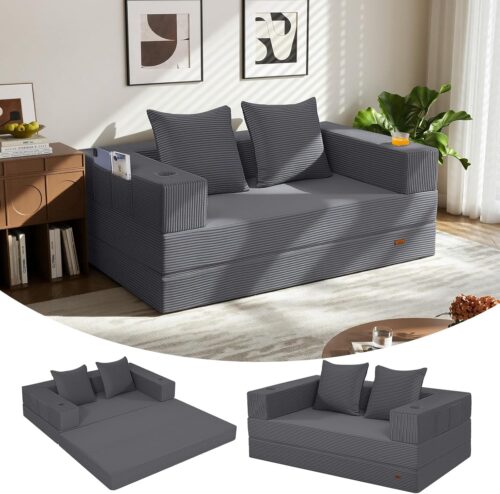
COMAX 4-in-1 Futon Sofa Bed – Convertible Folding Floor Couch & Comfy Sleeper Mattress
This smartly designed sofa features two connected foam sections that easily unfold into a spacious sofa bed. Switch effortlessly between a floor couch, futon, or mattress, making it perfect for flexible living and multi-purpose use.
Modern & Functional Style
Designed with both aesthetics and practicality in mind, this 4-in-1 folding sofa bed adds a modern touch to any room. Whether used as a couch or a guest bed, it blends comfort, style, and everyday functionality.
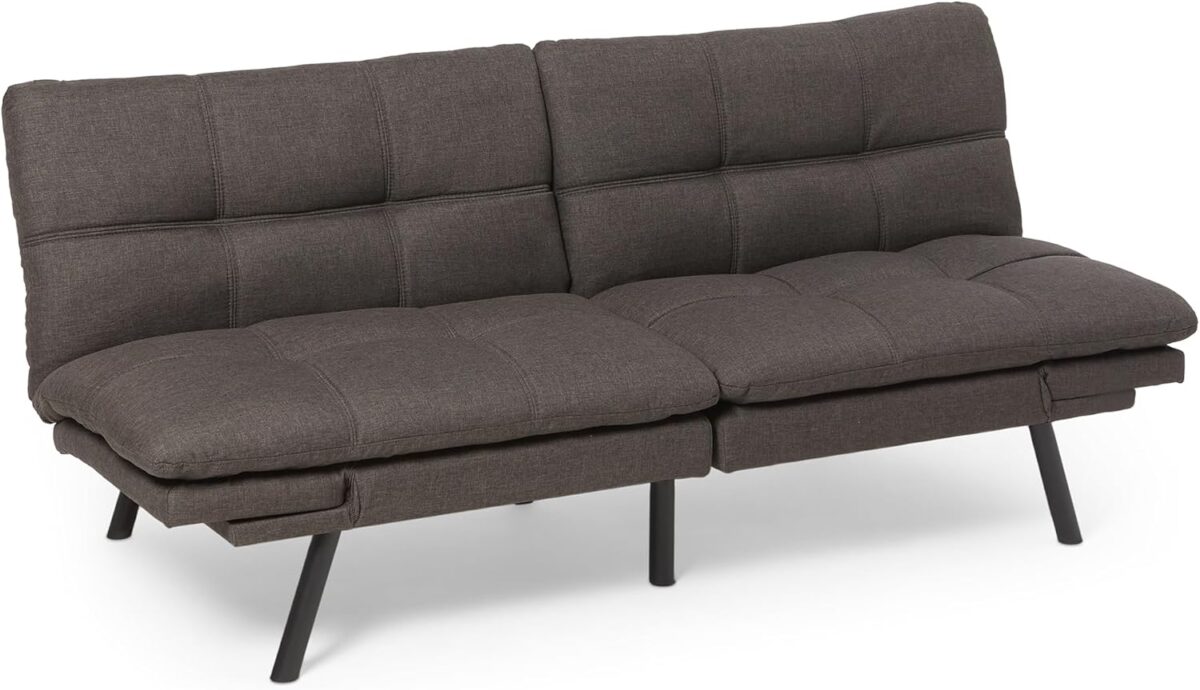
Futon Sofa Bed Convertible
Amazon Basics Futon Sofa Bed Convertible Memory Foam Couch with Adjustable Back
his futon sofa bed features a split-back design with 3 adjustable positions, allowing you to easily switch between sitting, lounging, and sleeping. You can even adjust each side independently keep one side upright while reclining the other for added flexibility.
Comfortable Memory Foam Support
Equipped with slow-rebound memory foam cushions, this sofa provides excellent support for your back, neck, and legs. It helps reduce pressure and ensures a comfortable seating and sleeping experience.
Built for everyday use, this sofa bed meets EN 1725 stability standards and supports up to 600 lbs, making it a reliable and sturdy choice for long-term use.
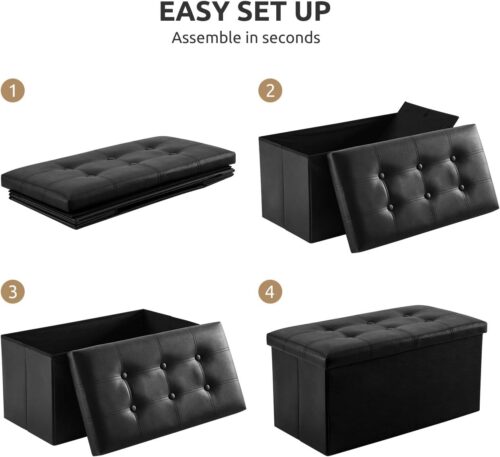
YOUDENOVA Folding Storage Ottoman Bench Leather Seat with Hidden Storage, 350 lbs Capacity
Keep your space tidy with this hidden storage ottoman. With 23 gallons (85L) of storage, it’s perfect for organizing:
- Blankets & pillows
- Sheets & magazines
- Small household items
Built with Medium Density Fiberboard and padded with a waterproof faux leather top, this ottoman bench provides comfortable seating while supporting up to 350 lbs.
Small-Scale Sectionals
Many people assume sectional sofas are only suitable for large living rooms. However, small-scale sectionals are specifically designed for compact spaces.
These sectionals maintain the comfort and lounging benefits of a traditional sectional but use shorter dimensions and lighter frames. The chaise section is usually smaller, allowing the piece to fit neatly into apartments or small living rooms.
A popular feature in compact sectionals is the reversible chaise. This design allows the chaise to be positioned on either side of the sofa, giving homeowners more flexibility when arranging their space.
When chosen carefully, a small sectional can provide generous seating while still maintaining good room flow.
Beyond the Modular: Unexpected Small Space Sofa Solutions
Sometimes the best solution for a compact home is thinking beyond traditional sofas.
Built-in banquettes
Custom banquette seating along a wall can create a comfortable seating area without taking up as much floor space as a freestanding couch. This approach is especially effective in small dining areas or multipurpose rooms.
Daybeds with bolster pillows
A daybed can easily function as a sofa during the day and a bed at night. When styled with supportive cushions or bolster pillows, it provides comfortable seating while maintaining a streamlined footprint.
These creative alternatives can offer both style and practicality, especially in homes where every square foot needs to work harder.
The Ultimate Small Space Sofa Buying Guide: Key Considerations
Choosing a sofa for a compact living space requires more than just picking a style you like. The right sofa needs to fit comfortably within the room, support daily use, and contribute to a balanced layout. Interior designers often evaluate sofas using a few key criteria that focus on practicality, durability, and efficient use of space.
Understanding these factors will help you compare options more confidently and avoid buying furniture that feels too large or impractical once it arrives.
Dimensions and Proportions: The Golden Rule
The first and most important factor is size. Even a beautifully designed sofa can feel overwhelming if its proportions do not match the room.
Start by paying attention to the overall width, depth, and height. Width determines how much wall space the sofa occupies, while depth affects how far it extends into the room. In smaller living areas, deep sofas can block walking paths or make the room feel crowded.
The seat depth and seat height also affect comfort. A seat that is too deep may feel awkward for shorter people, while a very shallow seat may not be comfortable for lounging. Ideally, the sofa should support relaxed seating without pushing too far into the room.
Arm height and back height
also influence how large a sofa appears visually. Sofas with very tall backs or thick arms can feel heavy in a small room. Lower backs and slimmer arms often create a lighter look that keeps the space feeling open.
When choosing a sofa for a compact home, balanced proportions are just as important as the actual measurements.
Frame Construction: Durability Matters
A sofa is one of the most used pieces of furniture in a home, so durability should never be overlooked. The frame forms the foundation of the entire structure, and its quality determines how well the sofa holds up over time.
The strongest frames are typically made from kiln-dried hardwood, such as oak, maple, or ash. Kiln drying removes excess moisture from the wood, which helps prevent warping or cracking later on.
Other frames may use engineered wood or metal components. These materials can still perform well if they are constructed properly, but they should be reinforced with strong joinery.
Reliable construction methods include:
- Wooden dowels
- Screws
- Corner blocks for extra reinforcement
These techniques create a solid frame that remains stable even after years of use.
On the other hand, frames that rely only on staples or glue are generally less durable. While they may reduce manufacturing costs, they can weaken over time with daily use.
For buyers concerned about long-term value, checking the frame construction is one of the smartest steps you can take.
Leg Styles: Creating the Illusion of Space
Small design details can make a surprising difference in how spacious a room feels. Sofa legs are a perfect example.
This visual openness helps prevent the sofa from looking bulky or heavy.
Common leg styles include:
- Tapered legs that gradually narrow toward the floor
- Stiletto legs that create a sleek, modern appearance
- Block legs that provide sturdy support while still keeping the base visible
Leg height can also affect practicality. Sofas that sit slightly higher off the floor make cleaning easier, especially when vacuuming or sweeping underneath.
By contrast, sofas with skirted bases or solid panels that extend all the way to the floor tend to look heavier and can visually shrink the room.
Arm Styles: Maximizing Seating Area
Armrests are another detail that can influence how efficiently a sofa uses space.
Wide or decorative arms may look elegant, but they can take up several inches on each side of the sofa. In a small living room, that space could otherwise be used for seating.
Sofas with narrow track arms are often recommended for compact spaces because they provide structure without taking up too much width.
Another efficient option is an armless sofa, which removes the armrests entirely. This allows the full width of the sofa to be used for seating and creates a cleaner, more open appearance.
Traditional rolled arms or flared arms, while comfortable, usually require more space and may make a small sofa appear bulkier than it actually is.
When choosing a sofa for a small room, slimmer arms typically provide the best balance between comfort and space efficiency.
Upholstery Fabrics: Balancing Style, Durability, and Maintenance
Fabric choice plays an important role in both the look and longevity of a sofa. In small homes, furniture tends to receive more frequent use, which makes durability especially important.
Texture and pattern also influence how a sofa fits within the room visually. Lighter colors and subtle patterns can help small rooms feel more open, while heavy textures or very dark fabrics may make furniture appear larger.
Below is a helpful comparison of common upholstery materials.
|
Material Type |
Pros |
Cons |
Best For |
|
Velvet |
Luxurious feel, rich color, very soft texture |
Can show pressure marks, attract pet hair, and often requires professional cleaning |
Formal small spaces, accent seating, and adding a touch of glamor |
|
Linen |
Natural look, breathable fabric, strong and durable |
Wrinkles easily, may stain if untreated, softens with use |
Casual or minimalist interiors, light-use seating areas |
|
Performance Fabrics |
Highly durable, stain-resistant, and easy to clean |
Texture may feel more synthetic |
High-traffic homes, families with kids or pets, and everyday living spaces |
|
Leather |
Extremely durable, easy to wipe clean, and develops character over time |
Higher price, can scratch, less soft at first |
Modern apartments, industrial spaces, high-use living areas |
|
Cotton Blend |
Comfortable, breathable, versatile, and affordable |
Can wrinkle and may require extra care for stains |
Budget-friendly small spaces and relaxed living rooms |
When selecting a material, think about how often the sofa will be used and how much maintenance you are willing to manage. A fabric that fits your lifestyle will keep the sofa looking good for longer.

303 Marine Fabric Guard - Restores Water and Stain Repellency To Factory New Levels
Bring your furniture back to factory-new condition! This treatment restores water and stain repellency, keeping your fabrics looking fresh and clean.
Provides reliable protection against soiling and everyday spills, including water-based and oil-based stains, helping your furniture stay spotless longer.
Designed to not alter fabric color, texture, breathability, or flammability. Works safely on both synthetic and natural fibers.
Ideal for sofas, chairs, and upholstery, this solution is perfect for busy households with kids, pets, or frequent use.
Top Picks: Best Sofas for Small Spaces Detailed Reviews & Recommendations
Finding the right sofa for a compact home can feel overwhelming because there are so many options available. To simplify the process, we reviewed several popular models that are frequently recommended for apartments, studios, and smaller living rooms.
These sofas stand out because they combine thoughtful design, practical features, and strong user feedback from people who actually live in small spaces. like Room and Board
Our Selection Methodology
Each sofa in this list was evaluated using a clear set of criteria that focuses on real-world usability.
We considered:
- Compact dimensions suitable for apartments and small living rooms
- Modularity or multi-functionality to support flexible layouts
- Ease of delivery and assembly, especially through narrow doorways or staircases
- Material quality and durability for long-term use
- Real user feedback about comfort, build quality, and everyday performance
Special attention was given to sofas that solve common small-space challenges such as limited seating, storage needs, and tight entryways.
Featured Sofas That Work Well in Small Homes
Burrow Block Nomad Sofa
The Burrow Block Nomad Sofa has become one of the most recognizable modular sofas designed for modern apartments. Its biggest advantage is its tool-free modular assembly, which allows each section to connect easily without complicated setup.
For people living in buildings with narrow hallways or small elevators, this design makes delivery significantly easier.
Users often highlight the following benefits:
- Modular pieces that can be rearranged
- Built-in USB charging ports for convenient device charging
- Reversible cushions that extend the life of the upholstery
- Durable fabric designed for daily use
Many small apartment owners appreciate the ability to start with a compact configuration and expand the sofa later if their space or needs change.
Some users mention that the seating can feel slightly firm at first, but many report that it softens with regular use.
IKEA FRIHETEN Sleeper Sofa
The IKEA FRIHETEN is one of the most widely recommended sofas for compact homes, particularly for renters or people on a budget.
Its popularity comes from its multi-functional design, which combines three features in one piece of furniture:
- A standard sofa
- A chaise lounge
- A full-size pull-out bed
Another practical feature is the hidden storage compartment located inside the chaise section. This space is perfect for storing bedding, blankets, or seasonal items without needing additional furniture.
In small apartments where every square foot matters, this type of built-in storage can make a big difference.
User feedback often highlights its practicality and affordability.
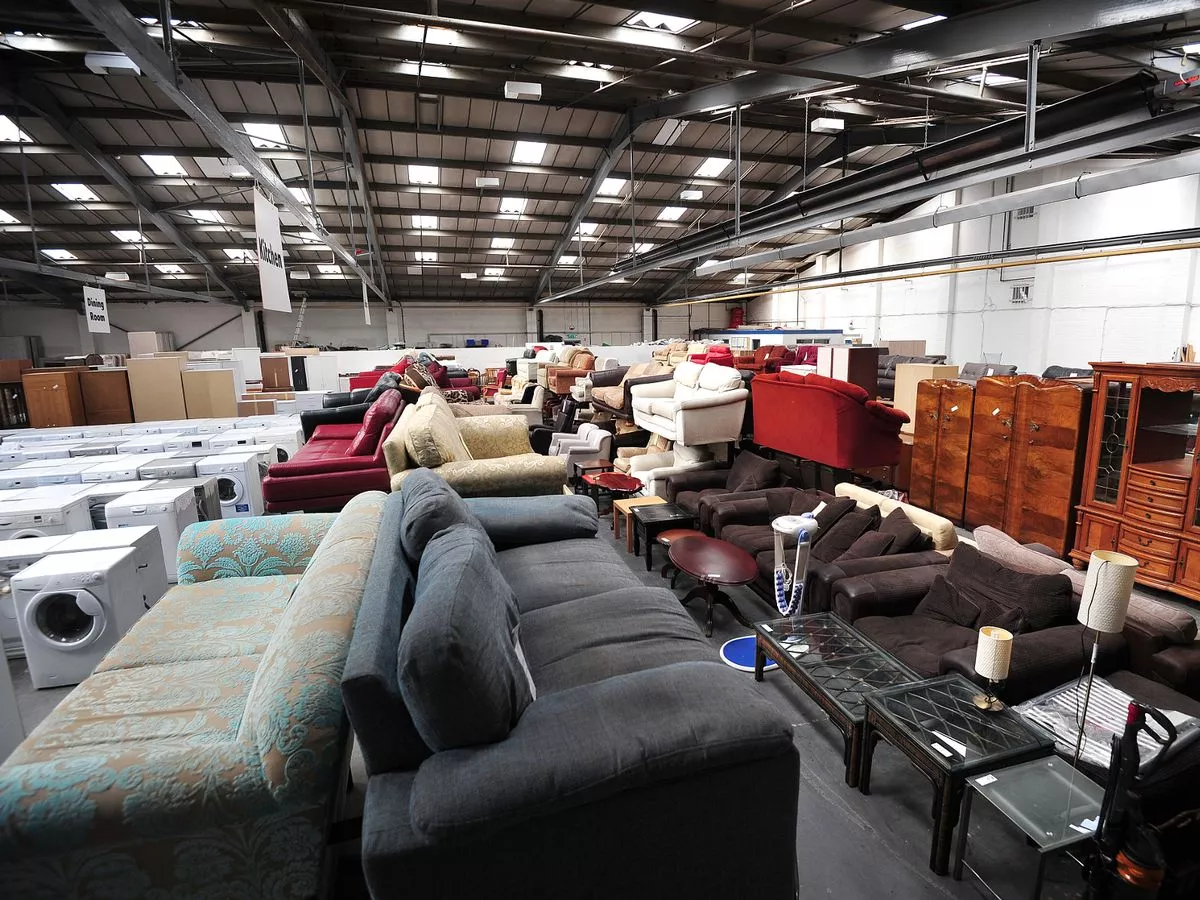
If you are decorating on a tighter budget, exploring second-hand furniture options can help you find stylish compact sofas at a fraction of the price.
However, some owners mention that the mattress is firmer than a traditional bed and that color choices are somewhat limited.
Despite those minor drawbacks, it remains one of the most functional sofas available for smaller homes.
Article Sven Sofa (Compact Versions)
The Article Sven Sofa is well known for its mid-century modern design, clean lines, and stylish upholstery options. While the standard version is fairly large, the loveseat and apartment-size versions are excellent choices for compact living rooms.
Key highlights include:
- Elegant design that works well in modern interiors
- Upholstery options such as velvet, leather, and fabric
- Comfortable seat cushions with supportive foam
Many owners appreciate how the Sven loveseat delivers a designer look without overwhelming a small room.
Users often praise its comfort and overall build quality. The main limitation is that it does not offer modular configurations, which means it is less flexible than some other options on this list.
Still, for people who prioritize style in a small living space, it remains a popular pick.
West Elm Harmony Sofa – Small Version
The Harmony Sofa from West Elm is designed with comfort as a priority. Even the smaller version maintains the brand’s signature deep, plush seating while still fitting more comfortably into apartment-sized spaces.
It is available in several compact formats, including:
- Apartment sofa
- Loveseat
- Small sectional
Users frequently describe the Harmony sofa as extremely comfortable for lounging or relaxing after a long day.
Because of its soft cushions and generous seating depth, it works well for people who spend a lot of time watching movies, reading, or relaxing on the couch.
The main trade-off is the price, which sits on the higher end of the range. Additionally, in very small rooms, the deep seating may require careful placement to maintain good walking space.
Allform Sofa
The Allform Sofa is designed with modularity and durability in mind. Each component ships in compact boxes that are specifically sized to fit through narrow doorways and hallways.
This makes it especially appealing for apartment dwellers who want a sofa that can be delivered easily.
Popular features include:
- Modular sections that can be rearranged
- Durable performance fabrics designed for heavy use
- Customizable layouts and colors
- Quick assembly without complicated tools
Many owners appreciate the sturdy feel of the frame and the easy-to-clean upholstery.
Because the sofa can expand with additional modules, it works well for people who may move to a larger space in the future but want something compact right now.
The main downside is that the initial cost can be relatively high depending on the configuration.
Joybird Eliot Sofa
The Joybird Eliot Sofa offers another stylish solution for small living rooms, especially for homeowners who appreciate mid-century modern design.
This sofa features a slim profile, clean lines, and a variety of customizable options.
Buyers can choose:
- Different upholstery fabrics
- Various wood finishes for the legs
- Multiple color options
Many people choose the Eliot sofa because it blends strong craftsmanship with a compact silhouette that fits nicely into smaller interiors.
User reviews often highlight its elegant appearance and comfortable seating. The most common drawback mentioned is longer production and shipping times due to its customizable nature.
Lovesac Sactionals
Lovesac Sactionals are known for their extreme modular flexibility. Each sectional is made up of individual seats and sides that can be arranged into countless layouts.
This level of customization allows homeowners to adapt the sofa to nearly any room size or layout.
Some standout features include:
- Modular components that can be rearranged endlessly
- Washable covers, which make maintenance much easier
- Highly durable construction
- Deep, comfortable seating
For small homes that frequently change layouts or serve multiple purposes, this flexibility can be incredibly valuable.
However, Sactionals are also among the most expensive options available. Some users also note that the pieces can feel heavy when rearranging them.
Still, many buyers consider the long-term adaptability worth the investment.
Comparison Table: Small Space Sofa Highlights
Price Key:
$ = under $1000
$$ = $1000–$2000
$$$ = $2000–$3500
$$$$ = over $3500
|
Sofa Model |
Type |
Dimensions (W x D x H) |
Key Small Space Feature |
Price Range |
Pros |
Cons |
|
Burrow Block Nomad |
Modular |
Varies by configuration |
Tool-free assembly and modular design |
$$$ |
Easy to assemble, durable fabric, built-in USB charging |
Can feel firm, higher price for modular setup |
|
IKEA FRIHETEN |
Sleeper with storage |
88.6" x 40.5" x 32.6" |
Pull-out bed and hidden storage |
$ |
Affordable, very functional, great for guests |
Firm mattress, fewer color choices |
|
Article Sven (Loveseat) |
Loveseat |
67" x 37" x 34" |
Compact mid-century design |
$$ |
Stylish, comfortable, quality upholstery |
Limited modular options |
|
West Elm Harmony (Small) |
Apartment sofa |
76" x 41" x 33" |
Deep comfort in a smaller frame |
$$$ |
Extremely comfortable, customizable fabrics |
Expensive, deep-seated furniture may crowd very small rooms |
|
Allform Sofa |
Modular |
Varies by configuration |
Ships in boxes for easy delivery |
$$$ |
Durable, customizable, easy assembly |
Higher investment depending on configuration |
|
Joybird Eliot |
Apartment sofa |
84" x 36" x 32" |
Compact mid-century design |
$$$ |
Elegant look, customizable fabrics |
Longer delivery times |
|
Lovesac Sactionals |
Highly modular |
Varies by configuration |
Infinite modular configurations |
$$$$ |
Extremely flexible, washable covers, very durable |
Expensive pieces can be heavy |
Choosing the right sofa ultimately depends on your priorities. Some people value modular flexibility, while others prioritize style or multi-functionality. By focusing on designs specifically built for compact living, you can create a comfortable and practical seating area without sacrificing valuable space.
Styling and Optimizing Your Small Space Sofa for Maximum Impact
Choosing the right sofa is only part of the equation. How you style and arrange it can make a huge difference in how your small living room feels. Thoughtful layout decisions, smart décor choices, and a few visual tricks can help a compact room appear more open and balanced.
Interior designers often focus on maximizing both function and visual space. With the right approach, even a small sofa area can feel inviting, comfortable, and surprisingly spacious.
Arrangement Strategies for Small Rooms
Furniture placement plays a major role in how well a small room functions. A poorly positioned sofa can block pathways or make the space feel cramped, while a thoughtful layout can improve flow and comfort.
Sofa Against the Wall vs. Floating Layout
In many small rooms, placing the sofa against the wall is the most common solution. This approach keeps the center of the room open and makes it easier to move around.
However, placing every piece of furniture against the wall is not always the best option. In certain layouts, floating the sofa slightly away from the wall can actually improve the room’s design.
A floating sofa can:
- Create a visual boundary between the living and dining areas
- Define zones in studio apartments or open layouts.
- Allow room for a narrow console table behind the sofa. a
For example, in a studio apartment, a floating sofa can act as a divider between the sleeping area and the living space. Even a small gap behind the sofa can help organize the room more effectively.
Maintaining Clear Pathways
One of the biggest mistakes in small spaces is blocking natural walking paths.
A good rule is to maintain clear movement routes through the room. Ideally, there should be enough space for someone to walk comfortably without squeezing between furniture.
Avoid placing large tables directly in front of the sofa if the room is very narrow. In those cases, smaller coffee tables, ottomans, or nesting tables often work better.
Pairing With Scale-Appropriate Furniture
A compact sofa should be paired with furniture that matches its scale. Oversized chairs or bulky tables can quickly overwhelm the room.
Good companion pieces include:
- Slim accent chairs
- Compact armchairs
- Small ottomans that double as seating
- Nesting tables that tuck away when not needed
Keeping the support furniture lightweight helps maintain an open and balanced layout.
The “Unseen Space” Sofa Guide: Visual Tricks to Make Rooms Feel Bigger
In small interiors, visual perception matters just as much as physical space. Designers often use subtle techniques to create the illusion of a larger room.
Light Colors and Neutral Tones
Light-colored sofas reflect more natural light, which helps brighten the room and makes it feel more spacious.
Popular choices for small spaces include:
- Soft beige
- Light gray
- Cream
- Warm neutrals
These tones blend easily with most décor styles while preventing the sofa from visually dominating the room.
That does not mean dark sofas are always a bad choice. However, if you choose a darker color, balancing it with lighter walls and accessories can help maintain visual openness.
Low-Profile Designs
Low-profile sofas with shorter backs help maintain clear sightlines across the room. When furniture sits lower, more of the wall remains visible, which creates a sense of openness.
This design approach is particularly effective in small living rooms where visual clutter can quickly make the space feel tight.
Exposed Sofa Legs
Expert Tip: Sofas with exposed legs often work better in compact spaces. When the floor remains visible underneath the sofa, the room appears less crowded.
This design detail allows light to pass beneath the furniture and helps the space feel lighter and more open.
Mirrors for Visual Depth
Mirrors are one of the most effective tools for expanding visual space.
A well-placed mirror can:
- Reflect natural light
- Create the illusion of depth.
- Make a room appear larger than it actually is
Placing a mirror behind or near the sofa can visually double the sense of space in a small living area.
Accessorizing Your Small Space Sofa
Accessories can enhance comfort and style, but moderation is key in smaller rooms. Too many decorative elements can make the sofa look cluttered.
Throw Pillows
Throw pillows are an easy way to add personality and comfort. However, using too many pillows can reduce usable seating space.
A good approach is to choose two or three well-designed pillows rather than filling the entire sofa.
Mixing textures such as linen, velvet, or woven fabrics can create visual interest without overwhelming the design.
Throws
A lightweight throw blanket can make a sofa feel warmer and more inviting.
Instead of bulky blankets, choose thin or medium-weight throws that add texture without taking up too much space. Draping a throw over one arm of the sofa keeps the look relaxed and practical.
Compact Side Tables
Large coffee tables can sometimes crowd small living rooms. In those cases, small side tables or nesting tables are often better choices.
Nesting tables are especially useful because they can be separated when needed and tucked away when not in use.
This flexibility helps maintain a clean and uncluttered layout.
The “Unseen Space” Sofa Guide: Visual Tricks to Make Rooms Feel Bigger
In small interiors, visual perception matters just as much as physical space. Designers often use subtle techniques to create the illusion of a larger room.
Light Colors and Neutral Tones
Light-colored sofas reflect more natural light, which helps brighten the room and makes it feel more spacious.
Popular choices for small spaces include:
- Soft beige
- Light gray
- Cream
- Warm neutrals
These tones blend easily with most décor styles while preventing the sofa from visually dominating the room.
That does not mean dark sofas are always a bad choice. However, if you choose a darker color, balancing it with lighter walls and accessories can help maintain visual openness.
Low-Profile Designs
Low-profile sofas with shorter backs help maintain clear sightlines across the room. When furniture sits lower, more of the wall remains visible, which creates a sense of openness.
This design approach is particularly effective in small living rooms where visual clutter can quickly make the space feel tight.
Exposed Sofa Legs
Expert Tip: Sofas with exposed legs often work better in compact spaces. When the floor remains visible underneath the sofa, the room appears less crowded.
This design detail allows light to pass beneath the furniture and helps the space feel lighter and more open.
Mirrors for Visual Depth
Mirrors are one of the most effective tools for expanding visual space.
A well-placed mirror can:
- Reflect natural light
- Create the illusion of depth.
- Make a room appear larger than it actually is
Placing a mirror behind or near the sofa can visually double the sense of space in a small living area.
Accessorizing Your Small Space Sofa
Accessories can enhance comfort and style, but moderation is key in smaller rooms. Too many decorative elements can make the sofa look cluttered.
Throw Pillows
Throw pillows are an easy way to add personality and comfort. However, using too many pillows can reduce usable seating space.
A good approach is to choose two or three well-designed pillows rather than filling the entire sofa.
Mixing textures such as linen, velvet, or woven fabrics can create visual interest without overwhelming the design.
Throws
A lightweight throw blanket can make a sofa feel warmer and more inviting.
Instead of bulky blankets, choose thin or medium-weight throws that add texture without taking up too much space. Draping a throw over one arm of the sofa keeps the look relaxed and practical.
Compact Side Tables
Large coffee tables can sometimes crowd small living rooms. In those cases, small side tables or nesting tables are often better choices.
Nesting tables are especially useful because they can be separated when needed and tucked away when not in use.
This flexibility helps maintain a clean and uncluttered layout.
Using Vertical Space Around Your Sofa
When floor space is limited, the best solution is often to use the vertical space around the seating area.
Expert Tip: Think vertically when planning your living room layout. Drawing the eye upward can make the room feel taller and more balanced.
Floating Shelves and Wall Storage
Wall-mounted shelves are excellent for small spaces because they provide storage without occupying floor space.
These shelves can be used to display:
- Books
- Plants
- Decorative objects
- Framed photos or artwork
Arranging shelves above or beside the sofa creates a focal point while keeping the room organized.
Tall Floor Lamps
Lighting also plays a role in small room design. Instead of wide table lamps, consider tall, slender floor lamps.
These lamps provide good lighting while taking up minimal floor space, and their height helps draw attention upward.
Artwork and Wall Décor
Hanging artwork above the sofa can visually anchor the seating area. Larger pieces often work better than many small ones because they create a clear focal point.
Vertical artwork or tall decorative elements can also help emphasize the room’s height, which contributes to a more spacious feeling.
Small Space Sofa FAQs: Expert Answers to Common Questions
Expert Tip:
When possible, choose durable and easy-to-clean fabrics. Performance fabrics are designed to resist stains and handle everyday wear, making them ideal for compact living environments. For general maintenance, start with regular cleaning habits: Vacuum the sofa weekly using an upholstery attachment to remove dust and crumbs
Rotate and fluff cushions regularly to maintain their shape. Check the manufacturer's cleaning instructions before using any cleaning product.s For fabric sofas, spot cleaning is usually the best approach. Blot spills immediately using a clean cloth instead of rubbing the fabric, which can spread the stain. A mild mixture of water and gentle soap often works for light stains, but always test the solution on a hidden area first. For leather sofas, a soft cloth and a small amount of leather-safe cleaner can help remove dirt and maintain the surface. Leather should also be conditioned occasionally to prevent drying or cracking. Keeping a small sofa clean is easier when spills are handled quickly, and routine maintenance is part of your weekly cleaning schedule.
Performance fabrics, such as microfiber or tightly woven polyester blends, are often recommended because they resist stains and are easy to clean. Pet hair is less likely to cling to these surfaces, and many spills can be wiped away quickly. Leather is another good option for pet owners. While it can scratch if pets have sharp claws, it is extremely easy to wipe clean and does not trap pet hair the way many fabrics do. When choosing upholstery for a pet-friendly home, it’s best to avoid: Loose or delicate weaves Fabrics that easily snag Materials that attract large amounts of pet hair Darker colors or textured fabrics can also help disguise minor wear over time.
Expert Tip:
Always check the seating depth before buying. In a small room, extremely deep sofas can extend too far into the space and make the layout feel crowded. A balanced seat depth usually feels more comfortable and practical. When positioned correctly, a compact sectional can provide generous seating while still maintaining good room flow.
Beyond the Purchase: Maintenance and Longevity for Your Compact Sofa
Buying the right sofa for a small living space is an important step, but proper care ensures that your investment stays comfortable and attractive for years. In compact homes, furniture often receives more daily use because the same pieces serve multiple purposes. A little regular maintenance can go a long way in keeping your sofa looking fresh and supportive.
Taking simple preventative steps also helps avoid premature wear, which can be especially important when space and budget are limited.
Regular Care for Your Small Space Sofa
Routine care helps maintain both the appearance and structure of your sofa.
Vacuuming and light cleaning
Dust, crumbs, and pet hair can build up quickly, particularly in smaller rooms where furniture is used frequently. Vacuum the sofa at least once a week using a soft upholstery attachment. This prevents debris from settling deep into the fabric.
For leather sofas, wipe the surface occasionally with a soft cloth to remove dust and maintain the finish.
Flipping and rotating cushions
Seat cushions naturally compress over time due to repeated use. Rotating and flipping them regularly helps distribute pressure evenly. This keeps the cushions from forming permanent indentations and extends their lifespan.
If your sofa has reversible cushions, switching their positions every few weeks can make a noticeable difference in maintaining comfort.
Protecting from direct sunlight
Sunlight can gradually fade upholstery fabrics and dry out leather. If your sofa sits near a window, consider using light curtains or blinds to reduce prolonged exposure.
Another simple approach is occasionally rotating decorative pillows or throws so that certain areas are not constantly exposed to direct sunlight.
Addressing Wear and Tear in High-Traffic Small Spaces
In smaller homes, the sofa often becomes the main place for relaxing, working, and socializing. Because of this heavy use, occasional wear is normal.
Knowing how to handle small issues early can prevent bigger problems later.
Spot cleaning techniques
Spills should be addressed immediately whenever possible. Blot liquids gently with a clean cloth rather than rubbing the stain deeper into the fabric.
For many fabrics, a mild mixture of water and gentle soap works well for spot cleaning. Always test the solution on a hidden section of the upholstery first to ensure it does not cause discoloration.
Professional cleaning
Even with regular care, deeper cleaning may be needed over time. Professional upholstery cleaning every year or two can remove embedded dirt and restore the fabric’s appearance.
This service is especially useful for lighter-colored sofas or homes with pets and children.
Reupholstering or slipcovers
If your sofa frame remains sturdy but the fabric begins to show age, reupholstering can give it a completely new look. While it requires some investment, it is often more affordable than replacing the entire piece.
Slipcovers are another practical option. They allow you to refresh the appearance of the sofa while also protecting the original upholstery from future wear.
Sustainable Choices for Small Space Furniture
Sustainability is becoming an important factor for many furniture buyers. Choosing eco-friendly options not only supports responsible manufacturing but can also lead to higher-quality pieces that last longer.
Look for responsibly sourced materials
Some manufacturers use wood certified by organizations such as the Forest Stewardship Council (FSC). This certification indicates that the wood comes from responsibly managed forests.
Frames built from responsibly sourced hardwood are often both durable and environmentally conscious.
Consider recycled or upcycled fabrics
Many modern upholstery materials are made from recycled fibers or sustainable textile blends. These fabrics help reduce environmental impact while still offering strong durability for daily use.
Invest in durable furniture
One of the most sustainable choices you can make is purchasing a well-built sofa that lasts many years. Furniture designed to endure daily use reduces the need for frequent replacements, which ultimately lowers waste.
Choosing quality construction, durable fabrics, and timeless designs can make a compact sofa a long-term part of your home.
Conclusion: Finding Your Perfect Fit
Furnishing a small living space may seem challenging at first, but the right approach makes the process much easier. A well-chosen sofa can transform a compact room into a comfortable and stylish place to relax.
The key is starting with careful planning. Accurate measurements and simple visualization techniques help ensure the sofa fits both the room and the entryways leading to it. Understanding different sofa styles designed for small spaces, such as loveseats, modular pieces, and compact sectionals, makes it easier to narrow down the best options.
Functionality should also remain a top priority. Features like built-in storage, sleeper mechanisms, and modular components can help maximize the usefulness of limited space. Durable materials and strong construction ensure the sofa will continue to perform well over time.
Finally, thoughtful styling can make a remarkable difference. Smart layouts, light colors, and carefully chosen accessories can make even the smallest living room feel open, welcoming, and balanced.
With the insights in this guide, you now have the knowledge needed to choose a sofa that combines comfort, practicality, and style. Instead of simply filling a room with furniture, you can create a living area that feels organized, inviting, and perfectly suited to your lifestyle.
Ready to transform your small living space? Explore the sofa options that fit your needs and start designing a cozy, functional home that makes the most of every square foot.