




The Ultimate DIY Guide to Waterproofing a Shower Window Like a Pro
December 12, 2025
The Ultimate Guide to Fabric Stain Protectors: Tested Reviews, Non-Toxic Options & Application Tips for Pristine Furniture
December 28, 2025
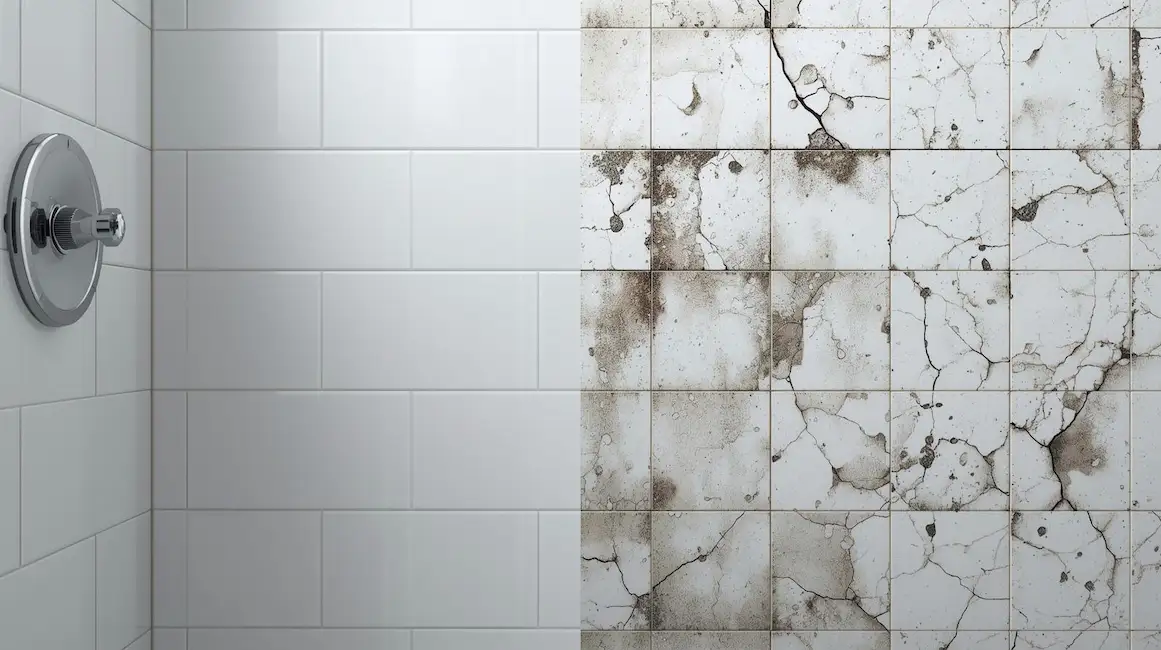
The Silent Foundation: Why Your Shower Grout Choice Matters More Than You Think
Are you tired of dealing with stubborn mold lines, cracked joints, or grout that never seems to look clean no matter how much you scrub? This is a common frustration for many homeowners. What often starts as a small cosmetic issue can quickly grow into a bigger problem, leading to trapped moisture, water seepage behind tiles, and even hygiene concerns. The truth is, choosing the wrong grout can quietly turn a dream shower into a constant maintenance headache, costing you extra time, money, and unnecessary stress.
This guide is here to simplify things. Instead of overwhelming you with technical jargon or brand bias, it breaks down what actually matters when choosing shower grout. You’ll learn the key differences between grout types, the factors that impact durability and waterproofing, and which options truly perform well in real-world conditions. The goal is to help you make a confident, informed choice that fits your shower, your lifestyle, and your expectations.
By the time you finish reading, you’ll know exactly how to select a grout that resists mold, minimizes maintenance, prevents leaks, and holds up over time. With the right choice, your shower can become a clean, durable, and low-maintenance space that feels like a sanctuary rather than a source of frustration.
This guide is built on practical experience from tiling and home renovation professionals, supported by industry standards and proven best practices. The recommendations are rooted in hands-on expertise, ensuring the information you’re getting is reliable, practical, and easy to apply to your own project.
Understanding Grout Types for Wet Areas
The Science Behind Shower-Ready Grout: Composition, Properties, and Performance
Not all grout is created for constant exposure to water, steam, and cleaning chemicals. Showers are one of the most demanding environments in any home, and the grout you choose plays a critical role in how well your tile installation performs over time. To make a smart choice, it helps to understand what each grout type is made of, how it behaves in wet conditions, and where it performs best.
Cementitious Grouts (Sanded and Unsanded)
Cementitious grout is the most commonly used and widely available option. It is made from Portland cement combined with aggregates and polymer additives. Sanded versions include fine sand for added strength in wider joints, while unsanded grout is smoother and designed for narrow joints.
By nature, cement-based grout is porous. This means it absorbs water unless it is sealed. When properly mixed and sealed, it offers good workability and an accessible price point, which is why it remains popular in residential projects. Sanded grout is typically used for joints wider than about 1/8 inch, while unsanded grout works best in tighter joints or with delicate tiles.
In showers, however, traditional cementitious grout has clear limitations. Without regular sealing and upkeep, it can absorb moisture, leading to staining, mold growth, and cracking over time. Even with sealers, it requires ongoing maintenance to stay in good condition in high-moisture environments.
Epoxy Grouts
Epoxy grout is a high-performance option designed for demanding wet areas. It is made from a two-part system consisting of resin and a hardener, often combined with fillers for strength and color consistency.
Unlike cement-based grout, epoxy grout is non-porous. It does not absorb water, making it naturally waterproof and highly resistant to stains, mold, and harsh cleaning chemicals. This makes it an excellent choice for showers, steam rooms, and commercial wet spaces where durability and hygiene are critical.
The trade-off comes in application and cost. Epoxy grout sets faster, requires careful mixing, and can be more difficult to install, especially for beginners. It is also more expensive upfront, but its long lifespan and minimal maintenance often offset the initial investment.
Epoxy Grouts
Epoxy grout is a high-performance option designed for demanding wet areas. It is made from a two-part system consisting of resin and a hardener, often combined with fillers for strength and color consistency.
Unlike cement-based grout, epoxy grout is non-porous. It does not absorb water, making it naturally waterproof and highly resistant to stains, mold, and harsh cleaning chemicals. This makes it an excellent choice for showers, steam rooms, and commercial wet spaces where durability and hygiene are critical.
The trade-off comes in application and cost. Epoxy grout sets faster, requires careful mixing, and can be more difficult to install, especially for beginners. It is also more expensive upfront, but its long lifespan and minimal maintenance often offset the initial investment.
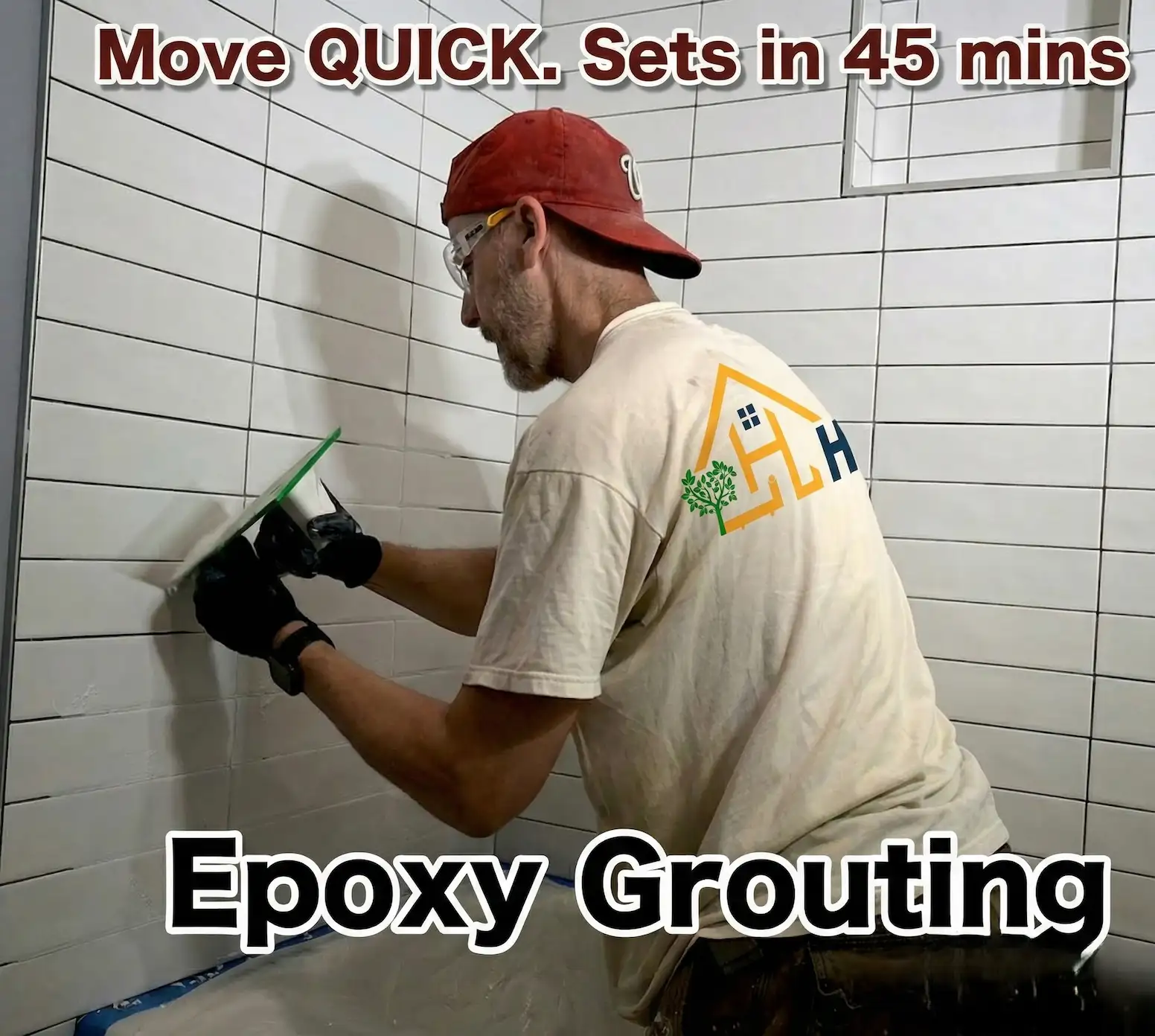
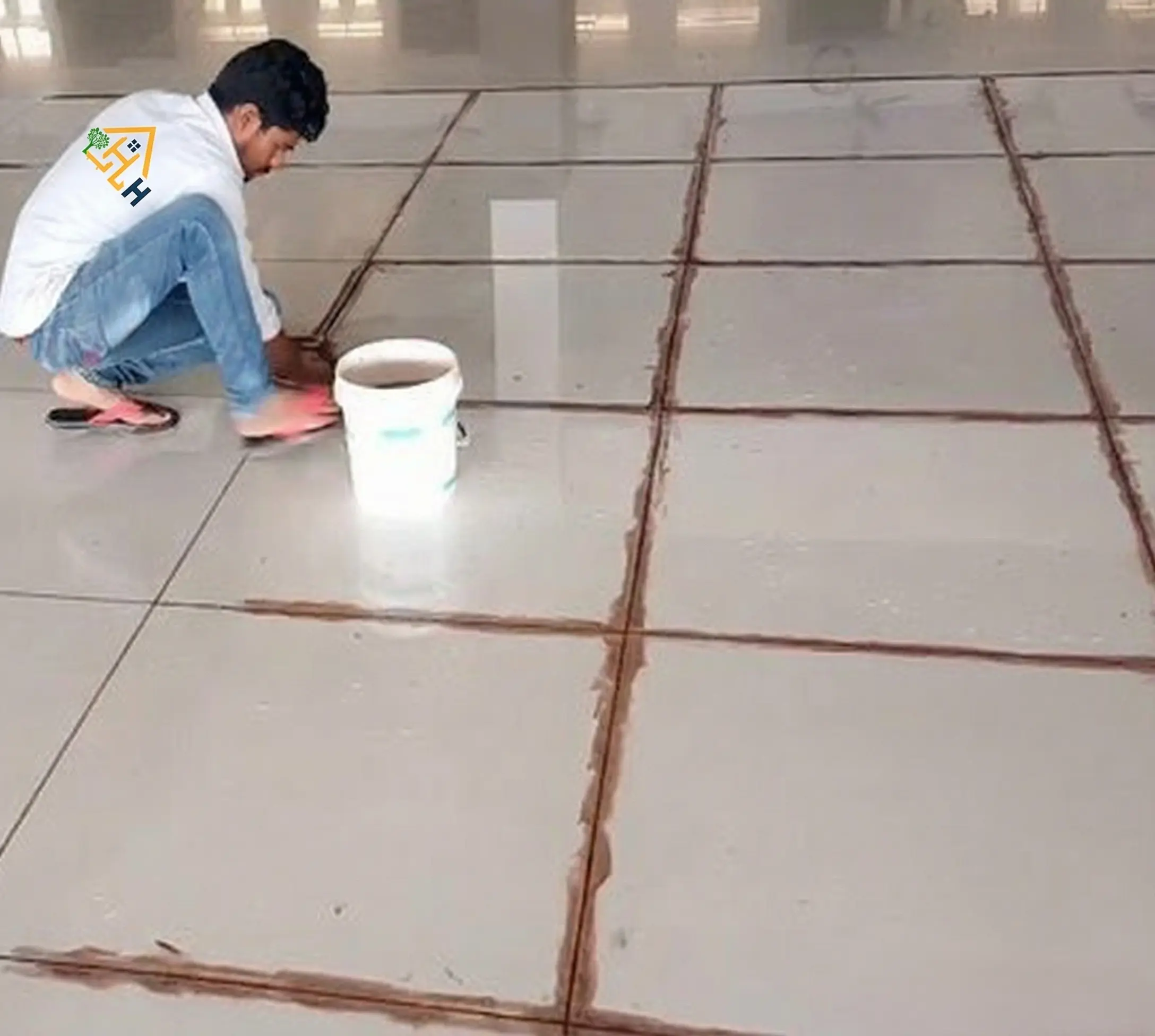
Doing Epoxy Grouts
Urethane Grouts (Pre-Mixed)
Urethane grout offers a middle ground between performance and ease of use. It is made from urethane-based polymers mixed with sand and performance-enhancing additives. Most urethane grouts come pre-mixed, removing the guesswork from preparation.
This type of grout is non-porous, flexible, and highly resistant to staining. Its flexibility allows it to handle slight movement in tiles without cracking, which is especially useful in showers exposed to temperature changes and daily use. Cleanup is generally easier than epoxy, and ongoing maintenance is minimal.
While urethane grout costs more than traditional cementitious grout, many homeowners find the convenience and performance worth it. Some products may require longer curing times before full water exposure, which is an important consideration during installation planning.
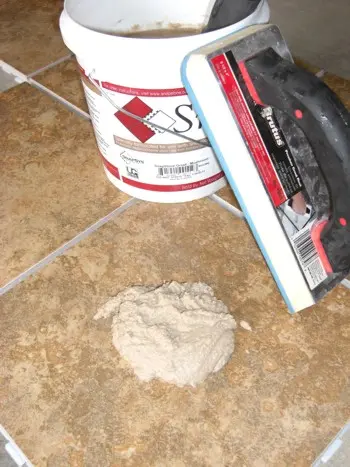
Pre-Mixed Urethane Grouts
Furan Grouts
Furan grout is a specialty product used almost exclusively in industrial and commercial environments. It is made from furan resin combined with a hardener, creating an extremely durable, non-porous grout.
This grout type is highly resistant to chemicals, heat, and heavy wear. However, it produces strong fumes during installation and requires specialized handling and ventilation. Because of these factors, it is rarely used in residential showers and is generally not recommended for home applications.
Furan grout is best reserved for environments such as laboratories, commercial kitchens, or facilities exposed to aggressive chemicals, where its unique properties are truly necessary.
Grout Types at a Glance
|
Grout Type |
Key Properties |
Pros for Showers |
Cons for Showers |
Best Use Case |
|
Cementitious |
Porous, cement-based, requires sealing |
Affordable, easy to apply, widely available |
Needs sealing, prone to mold and stains, less flexible |
Budget-friendly projects, low-demand wet areas |
|
Epoxy |
Non-porous, two-part system, chemical-resistant |
Waterproof, mold-proof, extremely durable |
Harder to install, fast setting, higher cost |
High-traffic showers, long-term durability needs |
|
Urethane |
Non-porous, pre-mixed, flexible, stain-resistant |
Easy to use, flexible, low maintenance |
Higher upfront cost, longer cure times for some products |
DIY-friendly showers, balanced performance and convenience |
|
Furan |
Non-porous, extreme chemical and heat resistance |
Exceptional durability |
Strong fumes, complex installation, not residential-friendly |
Industrial or specialized chemical environments |
From an industry standards perspective, these grout types are categorized and tested under established ANSI specifications. Cementitious grouts typically fall under ANSI A118.6 or A118.7, epoxy grouts under ANSI A118.3, and specialty grouts such as furan follow performance-based standards aligned with ANSI A118.1 requirements. These standards help ensure consistency, durability, and performance in wet environments like showers.
Key Factors to Consider When Selecting Shower Grout
Making the Right Choice: Essential Criteria for Shower Grout Performance
Choosing the right grout for a shower goes far beyond color and price. Showers are constantly exposed to water, heat, and cleaning products, which means grout must perform under pressure every day. Understanding the factors that truly matter will help you avoid premature failures and long-term maintenance issues.
Water Resistance
Water resistance is the single most important requirement for shower grout. Grout that absorbs moisture allows water to pass through to the substrate, increasing the risk of leaks, tile failure, and hidden structural damage.
It is important to understand that grout alone is not your primary waterproofing layer. Proper waterproofing systems behind the tile, such as membranes and shower pans, do the heavy lifting. However, choosing a grout with strong water-resistant properties adds an essential layer of protection and reduces the chance of moisture-related problems over time.
Mold and Mildew Resistance
Showers create the perfect environment for mold and mildew. Grout that retains moisture or organic residue can quickly become discolored and unhygienic.
Modern epoxy and urethane grouts are designed to resist mold growth due to their non-porous structure. Many also include antimicrobial additives that actively inhibit mold and mildew, helping maintain a cleaner and healthier shower with less effort.
Stain Resistance
Soaps, shampoos, body washes, and hard water minerals can all leave stains behind. Over time, these stains can make grout look dirty even when it is regularly cleaned.
Non-porous grouts offer superior stain resistance because contaminants stay on the surface instead of soaking in. This makes epoxy and urethane grouts especially appealing for homeowners who want their shower to look fresh without constant scrubbing or resealing.
Flexibility
Temperature changes and minor building movement are normal, especially in bathrooms where hot water and steam are used daily. Grout that lacks flexibility can crack under these conditions.
Flexible grout formulations are better at absorbing small shifts without breaking. Urethane grouts excel here, while polymer-modified cementitious grouts also offer improved flexibility compared to traditional cement-based options.
Ease of Cleaning
The easier grout is to clean, the more likely it is to stay clean. Porous grout can trap dirt and moisture, requiring aggressive cleaning methods that may shorten its lifespan.
Grouts with a dense or non-porous surface allow dirt and residue to be wiped away easily. This not only saves time but also reduces the need for harsh chemicals, helping preserve both the grout and surrounding tile.
Durability and Longevity
Shower grout should be viewed as a long-term investment. Daily use, frequent cleaning, and constant moisture exposure demand a material that can withstand abrasion, chemicals, and wear.
Epoxy and urethane grouts are known for their long service life and resistance to breakdown. While high-performance cementitious grouts can perform well, they often require more maintenance to achieve similar longevity.
Application Difficulty
Not all grout types are equally easy to install. This matters whether you plan to tackle the project yourself or hire a professional.
Cementitious grout is generally the easiest to work with and most forgiving. Urethane grout requires more attention but remains manageable for experienced DIYers. Epoxy grout demands precision, faster working times, and careful cleanup, often making professional installation the better option.
Color Stability
Grout color plays a big role in the overall look of your shower. Over time, some grouts can fade, yellow, or darken due to moisture, cleaning products, or UV exposure.
Grouts with strong color stability maintain their appearance for years. Epoxy and urethane grouts typically outperform traditional cement-based options in this area, helping preserve the original design of the space.
Overall Cost: Initial vs. Long-Term
Upfront cost can be misleading when choosing grout. Cementitious grout is inexpensive initially, but sealing, regular maintenance, and potential repairs add up over time.
Epoxy and urethane grouts cost more at the start, but their low maintenance needs, resistance to damage, and longer lifespan often result in lower overall costs over five to ten years. For many homeowners, paying more upfront leads to fewer headaches and expenses down the line.
Key Selection Factors at a Glance
|
Factor |
Why It’s Important for Showers |
Best Grout Type(s) |
|
Water Resistance |
Prevents leaks and protects the substrate |
Epoxy, Urethane, High-performance cementitious |
|
Mold and Mildew Resistance |
Improves hygiene and appearance |
Epoxy, Urethane |
|
Stain Resistance |
Keeps grout looking clean |
Epoxy, Urethane |
|
Flexibility |
Reduces cracking from movement and heat |
Urethane, polymer-modified cementitious |
|
Ease of Cleaning |
Lowers maintenance effort |
Epoxy, Urethane |
|
Durability and Longevity |
Withstands daily use and cleaning |
Epoxy, Urethane |
|
Application Difficulty |
Affects DIY feasibility and labor cost |
Cementitious easiest, Urethane moderate, Epoxy advanced |
|
Color Stability |
Preserves design and finish |
Epoxy, Urethane |
|
Overall Cost (Long-Term) |
Balances upfront price with future maintenance |
Epoxy and Urethane offer higher long-term value |
By weighing these factors carefully, you can match grout performance to your shower’s demands. The right choice is not just about today’s budget but about how well the grout will perform and look years down the line.
Top Grout Product Recommendations for Showers
Expert Picks: The Best Grouts for a Waterproof, Mold-Free Shower
The products below were selected after evaluating how they perform where it matters most. Showers are unforgiving environments, so our focus was on water absorption, mold and mildew resistance, flexibility, ease of use where relevant, and how well each grout holds up after years of real-world use. These recommendations reflect what experienced tile setters and bathroom remodelers consistently trust for long-term results.
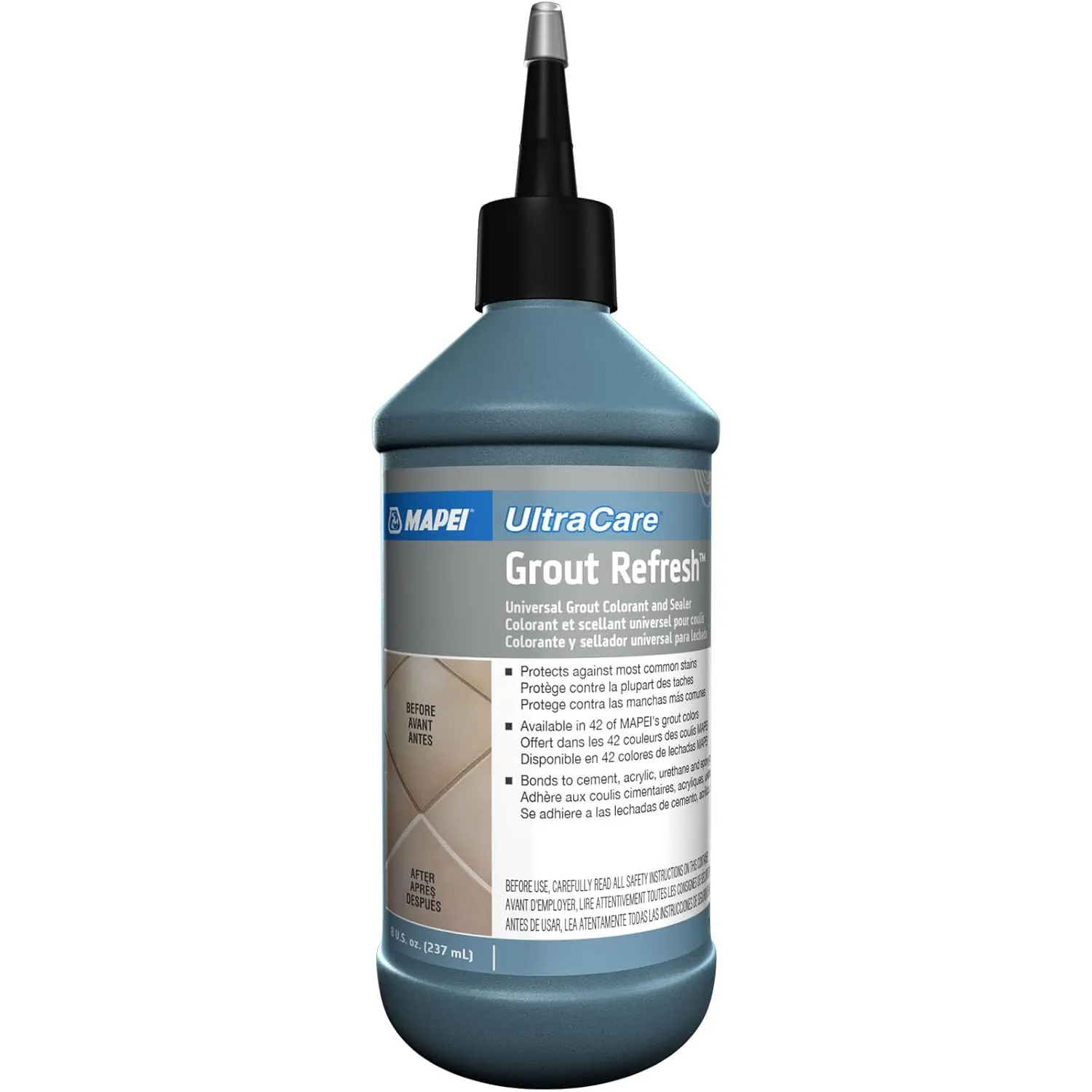
Mapei Kerapoxy CQ (Epoxy Grout)
Why it stands out
Mapei Kerapoxy CQ is known for its exceptional resistance to stains, chemicals, and moisture. It delivers consistent color and a dense, non-porous finish that stays clean with minimal effort.
Performance in wet areas
This grout is essentially impermeable, making it highly resistant to mold and mildew even in heavily used showers. Installations often look nearly unchanged after five or more years of daily use.
Application notes
It is a two-part epoxy system that requires accurate mixing and fast, organized application. Cleanup must be done on schedule to avoid residue.
Ideal use cases
High-end residential showers, luxury bathrooms, and commercial settings where durability is a priority.
Pro insight
One veteran tile installer notes that once installed correctly, this grout is usually the last thing that ever needs attention in the shower.
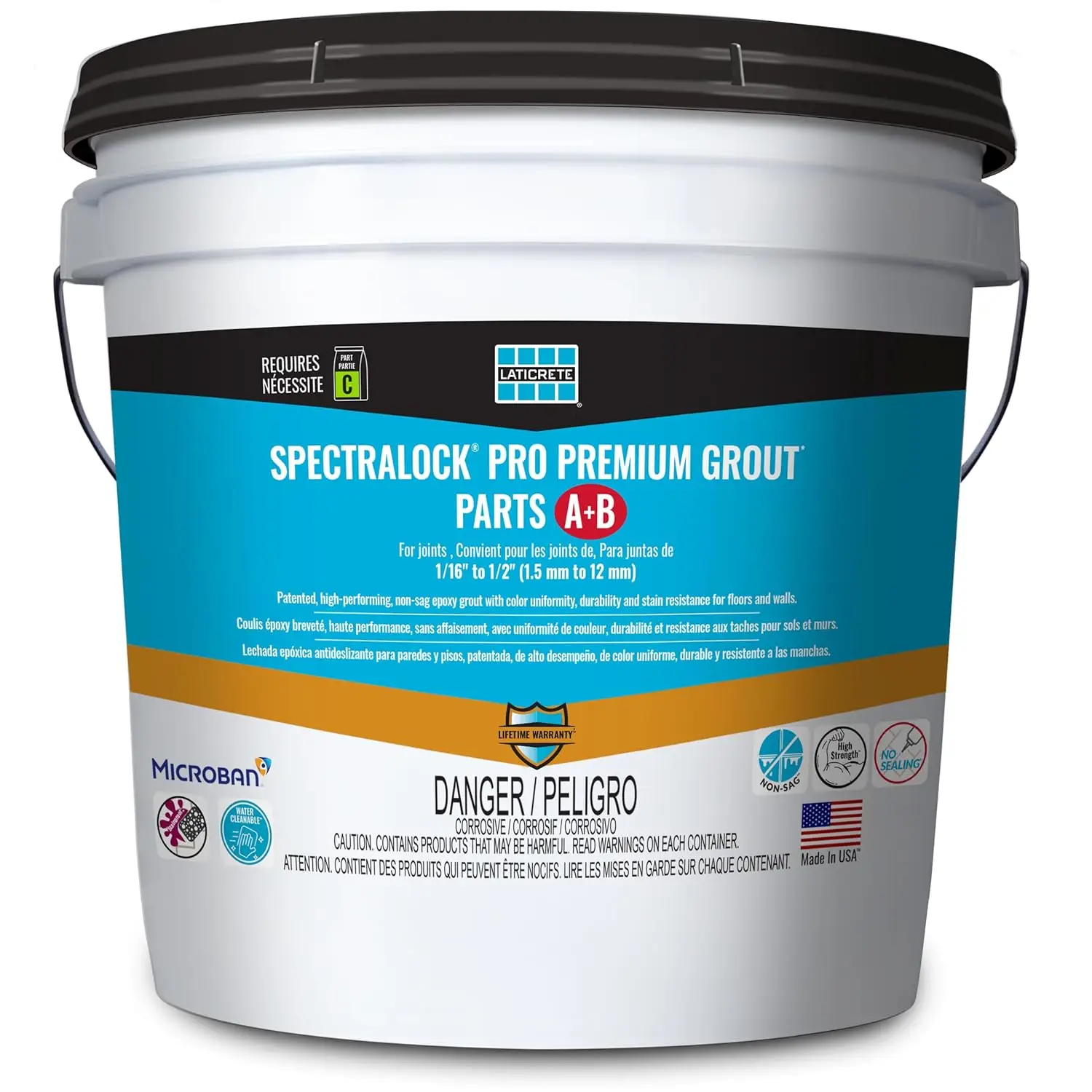
Laticrete SpectraLOCK Pro Grout (Epoxy Grout)
Why it stands out
SpectraLOCK Pro is widely considered a benchmark for epoxy grout performance. It offers excellent crack resistance, uniform color, and built-in antimicrobial protection.
Performance in wet areas
Its waterproof nature and resistance to staining make it ideal for showers exposed to heavy use and aggressive cleaning routines. Many professionals report spotless joints even after years in steam showers.
Application notes
This is a professional-grade product with a limited working time. It demands careful planning and experience for best results.
Ideal use cases
Premium residential showers, spa-style bathrooms, and demanding environments where long-term peace of mind matters.
Pro insight
Contractors often describe it as overkill for basic bathrooms, but unbeatable when performance is non-negotiable.

Red Devil Pre-Mixed Tile Grout (0422) Professional-Grade Acrylic Latex Grout for Walls & Floors, White, 1/2 Pint
Upgrade your tiling projects with the Red Devil Pre-Mixed Tile Grout, a high-performance grout trusted by professionals and DIYers alike. This ready-to-use formula eliminates mixing guesswork, saving time while delivering consistent, reliable results.
Engineered with premium acrylic latex, this grout offers enhanced durability, strong adhesion, and improved resistance to moisture making it ideal for kitchens, bathrooms, and other tiled areas. Its smooth, workable consistency allows for easy application on ceramic and mosaic tiles, whether you’re completing a new installation or handling small repairs.
Designed for versatility, Red Devil grout adheres securely to tile, masonry, wood, and wallboard, ensuring dependable performance across a wide range of surfaces. Cleanup is effortless with just soap and water, and its VOC-compliant formula supports safer indoor use.
Proudly made in the USA, this grout combines convenience, quality, and professional-grade performance in one compact container.
Product Comparison at a Glance
|
Product Name |
Grout Type |
Key Features for Showers |
Pros |
Cons |
Ideal For |
Approx. Price Range |
|
Mapei Kerapoxy CQ |
Epoxy |
Waterproof, stain and chemical resistant, color consistent |
Extremely durable, mold-proof, easy to clean |
Fast setting, higher cost, harder to install |
High-end and commercial showers |
$$$ ($60 to $80+ per unit) |
|
Laticrete SpectraLOCK Pro |
Epoxy |
Antimicrobial, crack-resistant, uniform color |
Industry-leading durability, long lifespan |
Requires skill, expensive |
Premium and demanding environments |
$$$$ ($100+ per unit) |
|
Fusion Pro |
Urethane |
Pre-mixed, flexible, no sealing |
DIY-friendly, excellent stain resistance |
Can be sticky if overworked |
DIY and quick renovations |
$$ ($30 to $50 per unit) |
|
Mapei Flexcolor CQ |
Urethane |
Ready-to-use, flexible, color stable |
Easy application, good movement tolerance |
Higher cost than cement |
Residential showers, large tiles |
$$ ($30 to $50 per unit) |
|
Tec Power Grout |
High-performance cement |
Stain resistant, low efflorescence |
Better than standard cement, good value |
Less flexible than urethane |
Budget upgrades |
$ ($10 to $20 per bag) |
|
Polyblend Plus |
Standard cement |
Basic, polymer-modified |
Very affordable, widely available |
Needs sealing, more maintenance |
Low-budget projects |
$ ($10 to $20 per bag) |
Each of these products can succeed in a shower when matched to the right expectations, budget, and skill level. The key is understanding how much performance you need today and how much maintenance you are willing to handle years from now.
Grout Color and Aesthetic Considerations for Showers
Beyond Basics: Creative Grout Color Strategies for Modern Shower Design
Grout color may seem like a finishing detail, but it plays a major role in how your shower looks, feels, and ages over time. The right color choice can elevate tile design, enhance perceived cleanliness, and even influence how large or small the space feels. A poor choice, on the other hand, can draw attention to dirt, uneven lines, or long-term discoloration.
Complementing Your Tiles
Matching vs. contrasting grout
Matching grout creates a seamless look by blending into the tile. This approach works especially well with large format tiles or minimalist designs where you want the surface to feel calm and continuous. It also helps downplay minor installation inconsistencies.
Contrasting grout makes tile lines stand out. It can turn simple tiles into a design feature and works well with geometric layouts, mosaics, or classic subway tile patterns. The key is balance. High contrast can look bold and intentional, but it also puts more visual pressure on straight lines and clean workmanship.
Impact on tile pattern
Light grout tends to highlight patterns, grout joints, and tile shapes. This can enhance decorative layouts but also draws attention to every line. Dark grout, in contrast, visually connects tiles, creating a more unified surface that can feel modern and understated.
Light vs. Dark Grout in Wet Areas
Light grout
Light-colored grout can make a shower feel brighter and more spacious. It pairs well with small bathrooms or showers that lack natural light. The downside is maintenance. Light grout shows soap residue, mineral buildup, and early mold growth more easily, especially in high-use showers.
Dark grout
Dark grout hides everyday dirt and discoloration better, which can reduce the appearance of wear. However, it can make a space feel slightly smaller and may emphasize uneven grout lines or tile lippage. In some cement-based grouts, dark colors can also reveal efflorescence as a light haze over time.
Expert tip
Always consider how grout color interacts with water and light. Lighter shades reveal staining faster, while darker shades can amplify installation flaws. Testing your chosen color in a small, less visible area can prevent expensive regrets later.
Impact on Perceived Cleanliness
Color strongly influences how clean a shower appears. Neutral mid-tone grays and warm beiges often strike the best balance. They disguise minor discoloration without making the space feel heavy or dull. Extremely white grout may look pristine at first, but it often creates the impression of being dirty sooner, even when it is hygienically clean.
Long-Term Color Stability
Not all grout colors age the same way. Over time, exposure to moisture, cleaning agents, and light can cause fading, yellowing, or darkening. High-quality epoxy and urethane grouts are generally more color-stable than traditional cement-based options.
Manufacturers typically publish specifications related to colorfastness and UV stability. Reviewing these details can help ensure the grout you choose maintains its original appearance for years, especially in showers with glass enclosures or strong lighting.
Trending Grout Color Palettes
Modern shower designs are moving beyond plain white grout. Popular choices include soft greige tones, warm taupe, charcoal, and muted earth colors. These shades complement a wide range of tiles and hide everyday wear more effectively. Matte black grout is also gaining traction in bold, contemporary designs, particularly when paired with white or light stone tiles.
When following trends, aim for versatility. Neutral tones that sit between light and dark tend to age better than extreme colors and are easier to live with long term.
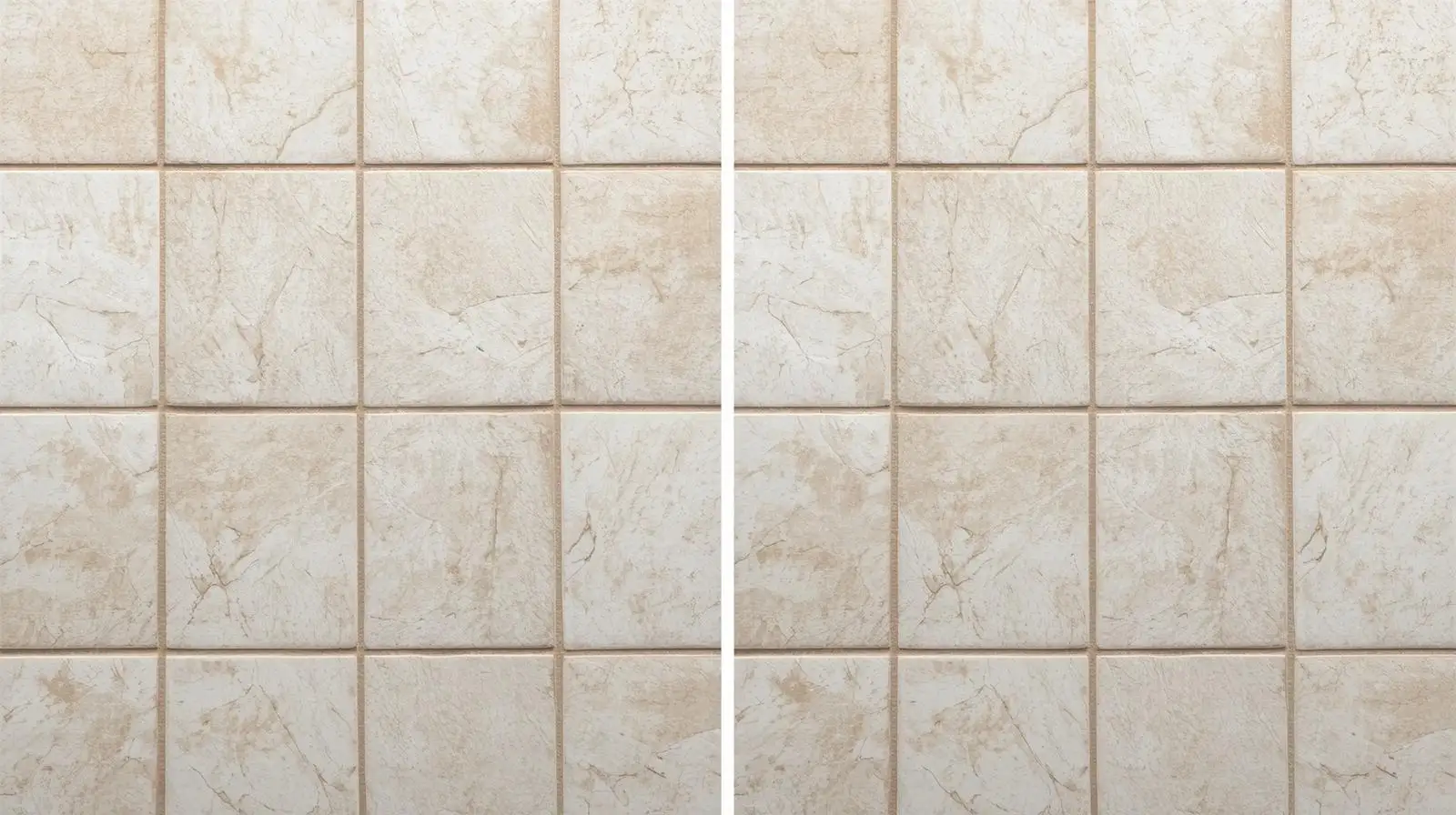
Side-by-side compaMatching grout versus a contrasting grout to show how design impact changes.
Application Best Practices for Shower Grout
Mastering the Grout: A Step-by-Step Guide for Flawless Shower Grouting
Even the best grout can fail if it is applied poorly. Proper technique, timing, and preparation make the difference between grout that lasts for years and grout that cracks, stains, or discolors early. Whether you are a confident DIYer or working with a professional, these best practices help ensure clean lines, strong joints, and long-term performance in a shower environment.
Pre-Application Preparation
Surface preparation is paramount
Before opening a grout bag or bucket, every tile joint must be clean, dry, and free of dust, spacers, or leftover thin-set. Any debris left in the joints weakens adhesion and leads to uneven color or hollow spots.
If you are regrouting, remove old grout using a manual grout saw, oscillating tool, or rotary attachment designed for grout removal. Take care not to chip tile edges. Vacuum thoroughly after removal to eliminate fine dust.
Equally important is allowing the thin-set mortar to cure fully before grouting. Rushing this step traps moisture, which can cause blotchy grout color and reduced strength. Most thin-set mortars require at least 24 hours, but always confirm the manufacturer’s recommendation.
Mixing Grout (Cementitious and Epoxy)
Mix precisely
Accurate mixing is critical. For cementitious grout, adding too much water weakens the grout and increases the risk of cracking and color inconsistency. For epoxy grout, incorrect resin-to-hardener ratios can prevent proper curing.
Use a drill with a paddle mixer at low speed to avoid introducing air. Mix until the grout reaches a smooth, lump-free consistency. Cement grout should resemble thick peanut butter and hold its shape without slumping. Epoxy grout should appear uniform in color and texture with no streaks.
A common DIY mistake is remixing grout that has already started to set by adding water. This compromises performance and should always be avoided.
Application Techniques
Using a grout float
Hold the float at a 45-degree angle and force grout firmly into the joints using diagonal passes. This ensures full joint penetration and minimizes air pockets. After filling the joints, turn the float nearly upright and scrape off excess grout from the tile surface.
Work in small sections
Grout has a limited working time. Applying and cleaning five to ten square feet at a time gives you better control and prevents the grout from setting before it is properly tooled and wiped.
Grout-specific tips
Epoxy grout sets faster and requires tighter timing, so plan your work area carefully. Urethane grout can feel sticky and benefits from lighter pressure and frequent float cleaning. Cementitious grout is more forgiving but still requires steady pacing.
Tooling the Grout Lines
Once the grout begins to firm up, shape the joints to create a consistent, slightly concave profile. This improves both appearance and water shedding.
Use a damp grout sponge, not a wet one. Wipe lightly in a single direction, rinse often, and avoid overworking the joints. Excessive water during this stage is a common cause of weak grout and color variation.
Initial Cleaning and Haze Removal
Clean as you go
Do not wait for grout to fully dry before cleaning tile surfaces. Perform the first wipe-down once the grout has set slightly but still responds to light pressure. For cementitious grout, this is usually within 10 to 20 minutes. Epoxy and urethane grouts follow tighter windows defined by the manufacturer.
Use gentle, circular motions followed by straight passes to remove residue without pulling grout from the joints. Rinse the sponge frequently with clean water.
Curing and Drying Times
Respect curing times
New grout needs time to reach full strength. Avoid water exposure, steam, or heavy use until the recommended curing period has passed. Cementitious grout often requires several days before sealing and up to a week before full use. Epoxy and urethane grouts may allow earlier use but still require strict adherence to instructions.
Ensure proper ventilation
Good airflow speeds drying and helps disperse fumes, especially when working with epoxy or urethane products. Open windows, use exhaust fans, and avoid sealing the space during application.
Final Haze Removal
After curing, a light grout haze may remain. Non-acidic haze removers are safest for most tiles and should be tried first. Acidic cleaners may be used only on acid-safe tile and grout, and never on natural stone.
Apply haze removers sparingly, following product instructions closely. Always test in a small area before full application.
Lessons Learned from Real-World Projects
One of the most common DIY errors is rushing. Skipping cure times, overwatering grout, or working too large an area at once leads to avoidable problems. Another frequent issue is improper cleanup timing, which results in stubborn haze that requires aggressive removal later.
Taking a methodical approach, respecting product guidelines, and working in manageable sections consistently delivers better results.
Visual suggestion
Step-by-step photos showing grout mixing, float application, and the initial sponge wipe-down to reinforce proper technique.
Sealing Shower Grout: When, Why, and How
The Protective Shield: Understanding Grout Sealers for Enhanced Durability
Grout sealer acts as an invisible layer of protection that helps your shower grout perform better and last longer. While not every grout type needs sealing, understanding when it is required and how to do it properly can prevent staining, moisture problems, and unnecessary maintenance down the road.
What Is Grout Sealer?
Grout sealer is a protective product designed to penetrate porous grout and form a barrier against moisture, stains, and contaminants. Instead of sitting on the surface, most modern sealers soak into the grout, reducing its ability to absorb water while still allowing it to breathe. This helps protect the grout without changing its appearance or texture.
Which Grout Types Require Sealing?
Traditional cementitious grouts
Standard cement-based grouts are porous and must be sealed. Without sealing, they readily absorb water, soap residue, and minerals, leading to staining and mold growth. Even in well-ventilated showers, unsealed cement grout deteriorates much faster.
Advanced cementitious grouts
Some high-performance cement grouts are marketed as stain-resistant or “no-seal.” While these formulations perform better than traditional grout, it is still important to check the manufacturer’s specifications. Some benefit from sealing after curing, especially in high-use showers.
Epoxy and urethane grouts
Epoxy and urethane grouts are non-porous and generally do not require sealing. Their resistance to moisture and staining is built into the material itself. Applying sealer to these grouts offers little benefit and can even create a residue on the surface.
Expert tip
Even when sealing is not required, proper cleaning and ventilation remain essential. No grout is completely maintenance-free in a shower environment.
Recommended Sealer Types
Penetrating or impregnating sealers
These are the preferred choice for showers. They soak into the grout, providing long-lasting protection without forming a surface film. Penetrating sealers do not alter grout color and are less likely to peel or discolor over time.
Topical or coating sealers
These sealers form a layer on the surface. In showers, they are less reliable because they can wear unevenly, trap moisture, or peel under constant water exposure. For this reason, they are generally not recommended for wet areas.
How to Apply Grout Sealer Properly
Preparation
Allow the grout to fully cure before sealing. Cementitious grout often needs several days to a week, depending on the product. Clean the grout thoroughly and let it dry completely. Sealing damp grout traps moisture and reduces effectiveness.
Test first
Apply sealer to a small, hidden area to confirm it does not alter color or sheen.
Application methods
Sealant can be applied using a spray bottle, small brush, foam applicator, or roller. Focus on saturating the grout lines rather than coating the tile surface.
Wipe off excess
After the sealer has had time to penetrate, wipe away any excess from the tile to prevent hazing or streaking.
Drying and reapplication
Allow the sealer to dry as directed. Some products require a second coat for maximum protection. Follow manufacturer timing closely between coats.
Frequency of Sealing
How often grout needs to be sealed depends on several factors. These include the type of grout, how frequently the shower is used, the quality of the sealer, and the cleaning products applied. Harsh or acidic cleaners can shorten the life of a sealer.
A simple way to test whether resealing is needed is the water bead test. Sprinkle a few drops of water onto the grout. If the water beads on the surface, the sealer is still effective. If it darkens the grout and absorbs quickly, it is time to reapply.

Maintaining Your Shower Grout for Longevity and Hygiene
Keeping It Pristine: Essential Cleaning and Preventative Measures for Shower Grout
Even the best grout needs routine care to stay clean, durable, and hygienic. Consistent maintenance not only preserves appearance but also prevents mold growth and premature deterioration. The good news is that effective grout care does not require harsh chemicals or excessive effort. Small habits make a big difference over time.
Daily and Weekly Cleaning Routines
A quick wipe-down after each shower is one of the most effective ways to protect grout. Removing surface moisture and soap residue limits the conditions mold and mildew need to grow. A squeegee or microfiber cloth works well and takes less than a minute.
For weekly cleaning, use a mild, pH-neutral cleaner designed for tile and grout. These cleaners remove residue without damaging grout or sealers. Light scrubbing with a soft brush or sponge is usually enough to keep grout lines fresh.
Expert tip
Maintain proper shower ventilation. Running the exhaust fan during and for at least 20 minutes after showering, or opening a window when possible, is the single most effective way to prevent mold and mildew regardless of grout type.
Recommended Cleaning Products
For general maintenance
pH-neutral tile and grout cleaners are ideal for routine use. They clean effectively without breaking down sealers or altering grout color.
For tougher stains
Oxygen bleach-based cleaners are effective for organic stains and light mold without the harshness of chlorine bleach. A baking soda and water paste can also be used for spot cleaning. Apply, let it sit briefly, then scrub gently and rinse.
Expert tip
Always test new cleaning products on a small, hidden section of grout first. This ensures the product does not cause discoloration, dulling, or damage.
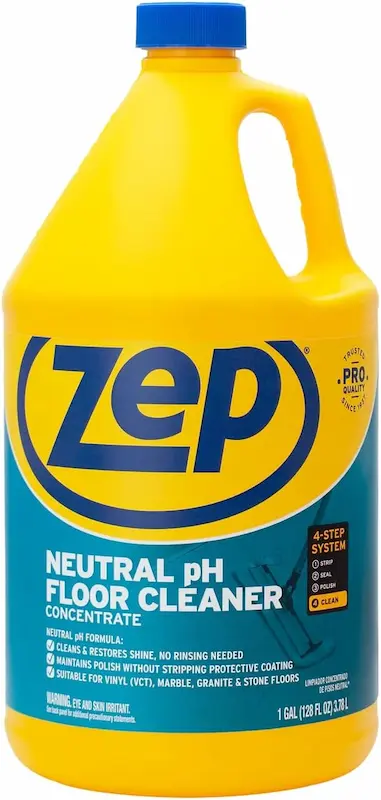
Zep Neutral PH Industrial Floor Cleaner - 1 Gallon - ZUNEUT128 - Concentrated Pro Trusted All-Purpose Floor Cleaner
The Zep ZUNEUT128 Neutral pH Floor Cleaner delivers powerful cleaning performance while preserving the integrity of your floors. Specially formulated for routine maintenance, this industrial-strength cleaner removes dirt and grime without dulling finishes or damaging protective coatings.
Its neutral pH formula ensures safe and effective cleaning on delicate and hard surfaces alike, including marble, granite, vinyl, stone, and sealed floors. Unlike harsh cleaners, it helps maintain polish while restoring a clean, refreshed appearance no rinsing required after use.
This highly concentrated liquid formula offers exceptional value, producing up to 128 gallons of ready-to-use cleaner from a single 1-gallon container. Trusted by professionals in commercial facilities, it’s equally effective for homeowners who want long-lasting floor care with minimal effort.
Key Features & Benefits
-
Neutral pH Formula – Cleans effectively without damaging floor finishes
-
Preserves Floor Polish – Won’t strip protective coatings
-
No Rinse Required – Leaves floors clean and refreshed
-
Restores Natural Shine – Enhances appearance after every use
-
Highly Concentrated – Makes up to 128 gallons of finished solution
-
Multi-Surface Compatibility – Safe for marble, granite, vinyl, and stone
-
Professional Trusted Formula – Ideal for commercial and home use

OxiClean White Revive Laundry Whitener and Stain Remover Powder, Alternative to Bleach for Laundry
Bring life back to your whites with OxiClean White Revive Laundry Whitener and Stain Remover. This powerful oxygen-based powder works as a detergent booster to lift stains, eliminate dullness, and restore brightness without the harsh effects of chlorine bleach.
Activated by water, the formula penetrates deep into fabric fibers to whiten whites up to 40% better per load compared to chlorine bleach, while remaining chlorine-free and color-safe. That means no accidental splashes, spills, or fabric damage when washing mixed loads.
Versatile and easy to use, OxiClean White Revive can be added directly to HE or standard washing machines or mixed with water for an effective presoak. It’s perfect for refreshing t-shirts, sheets, underwear, socks, school uniforms, and machine-washable canvas shoes.
Backed by the trusted quality of OxiClean, this 5 lb container delivers long-lasting value and dependable performance for brighter, cleaner laundry.
Cleaning Products to Avoid
Avoid abrasive powders, stiff wire brushes, and scouring pads. These can scratch grout and wear down protective sealers. Strong acidic cleaners should also be avoided unless specifically formulated for efflorescence and safe for your tile type. Oil-based cleaners leave residues that attract dirt and can discolor grout over time.
Using the wrong cleaner is a common reason grout deteriorates faster than expected, even when sealed.
Preventative Measures Against Mold, Mildew, and Staining
Prevention is easier than correction. Consistent airflow after showers reduces moisture buildup. Drying walls and floors limits residue. Regular light cleaning prevents buildup before it becomes visible.
Inspect your shower periodically for loose tiles, cracked grout, or plumbing leaks. Addressing small issues early prevents moisture from getting behind tile, where mold can spread unnoticed.
Understanding the Role of Proper Ventilation
Ventilation directly impacts grout health. Warm, moist air that lingers after a shower creates ideal conditions for mold growth. Good airflow removes humidity quickly, allowing grout to dry fully between uses.
A properly sized exhaust fan, clean fan covers, and unobstructed airflow make a noticeable difference. Even high-performance grout benefits from a dry environment.
.
Troubleshooting Common Shower Grout Problems and Solutions
Grout Gone Wrong: Identifying, Preventing, and Fixing Common Issues
Even when high-quality materials are used, grout problems can still appear due to moisture, movement, or simple installation mistakes. The key is knowing how to recognize early warning signs, understand what caused them, and fix the issue before it spreads. This section works as a practical grout failure and repair guide, based on real-world scenarios homeowners encounter most often.
Common Grout Problems Explained
Cracking
Likely causes
Cracks often form due to substrate movement, incorrect grout mixing, or grout that lacks flexibility. Temperature changes and building settling make this worse in showers.
Prevention
Use flexible grout such as urethane or a polymer-modified cement grout. Ensure the substrate is stable and properly prepared before tiling. Always follow mixing ratios exactly.
Solution
For small cracks, remove the damaged grout using a grout saw or oscillating tool. Vacuum the joint, then re-grout with a flexible grout. In corners or changes of plane, use a color-matched silicone caulk instead of grout to allow movement.
Discoloration
Likely causes
Soap scum, hard water minerals, lack of sealing, or using harsh or oily cleaners can stain grout over time.
Prevention
Clean grout regularly with pH-neutral cleaners and seal cementitious grout properly. Avoid oil-based products.
Solution
Start with deep cleaning using a grout-specific cleaner. For stubborn stains, use oxygen bleach-based products. Once clean and fully dry, reseal if the grout type requires it.
Efflorescence
Likely causes
Efflorescence occurs when moisture carries mineral salts through cementitious grout, leaving a white, powdery residue on the surface.
Prevention
Ensure proper waterproofing behind the tile and use efflorescence-resistant grout products. Limit excess water during grout mixing.
Solution
Begin with dry brushing to remove loose residue. If needed, use a mild acidic grout cleaner, following all safety instructions. Rinse thoroughly and improve moisture control to prevent recurrence.
Mold and Mildew Growth
Likely causes
Persistent moisture, poor ventilation, and porous grout create ideal conditions for mold.
Prevention
Improve ventilation, dry shower surfaces after use, and select mold-resistant grout types for new installations.
Solution
Apply a targeted mold and mildew cleaner and scrub with a soft brush. Avoid mixing cleaning chemicals. Improve airflow and consider upgrading grout or sealing if mold returns frequently.
Loose or Crumbling Grout
Likely causes
Improper mixing, poor adhesion, prolonged water exposure, or age can cause grout to break down.
Prevention
Mix grout correctly, clean joints thoroughly before application, and use high-quality grout suited for wet areas.
Solution
Remove all loose grout down to solid material. Clean and dry the joints, then re-grout. If moisture damage is extensive, inspect for leaks or compromised waterproofing.
Grout Haze
Likely causes
Grout haze forms when excess grout is not removed during installation and dries on the tile surface.
Prevention
Clean as you go during grouting and perform proper initial wipe-downs.
Solution
Use a grout haze remover appropriate for your tile type. Non-acidic cleaners should be tried first. Scrub gently and rinse thoroughly.
Quick Reference: Grout Problems and Fixes
|
Problem |
Likely Causes |
Prevention |
Solution |
|
Cracking |
Movement, poor mixing, rigid grout |
Flexible grout, stable substrate |
Remove cracked grout and re-grout or caulk |
|
Discoloration |
Soap, minerals, poor cleaning |
Seal grout, use neutral cleaners |
Deep clean and reseal |
|
Efflorescence |
Moisture moving salts |
Proper waterproofing |
Acidic cleaner with caution |
|
Mold and mildew |
Moisture, poor airflow |
Ventilation, drying |
Mold cleaner and airflow improvement |
|
Loose grout |
Poor adhesion, water damage |
Proper prep and mixing |
Remove and re-grout |
|
Grout haze |
Poor cleanup timing |
Clean during install |
Use haze remover |
Lessons Learned from Real-World Projects
Many grout failures are not product-related but process-related. Rushing cure times, skipping ventilation, and using the wrong cleaners consistently cause repeat problems. Addressing the root cause, not just the surface symptom, is what delivers long-term success.
Safety note
When using acidic or chemical cleaners, wear gloves, ensure ventilation, and never mix products. Always follow manufacturer safety instructions.
FAQs About the Best Grout for Your Shower
Conclusion & Final Recommendation
Your Path to a Perfect Shower: Key Takeaways and Expert Advice
Choosing the right grout for your shower is more than a design decision—it’s a long-term investment in durability, hygiene, and ease of maintenance. Understanding the differences between cementitious, epoxy, urethane, and specialized grouts helps you match performance with your specific shower environment. Key factors like water resistance, mold and stain resistance, flexibility, ease of cleaning, and long-term cost should guide your decision.
Final Recommendation
- Maximum durability and mold resistance: Epoxy or urethane grouts deliver the best overall performance, providing a waterproof, stain-resistant, and low-maintenance solution for any shower.
- Budget-conscious projects with enhanced performance: High-performance cementitious grouts, such as Tec Power Grout, offer improved water and stain resistance compared to standard cement grout, making them a practical choice for homeowners seeking value without sacrificing longevity.
No Regrets Grout Guide Philosophy
Investing in the right grout upfront prevents costly repairs, recurring maintenance, and frustration later. Selecting quality products and following proper installation and care practices ensures your shower stays beautiful, safe, and functional for years to come.