
The 7 Best Outdoor Composters for Your Garden: A Comprehensive 2025 Buyer’s Guide
October 29, 2025
The Ultimate Guide to Treated Lumber Everything DIYers & Homeowners Need to Know
November 1, 2025
The Indispensable Barrier
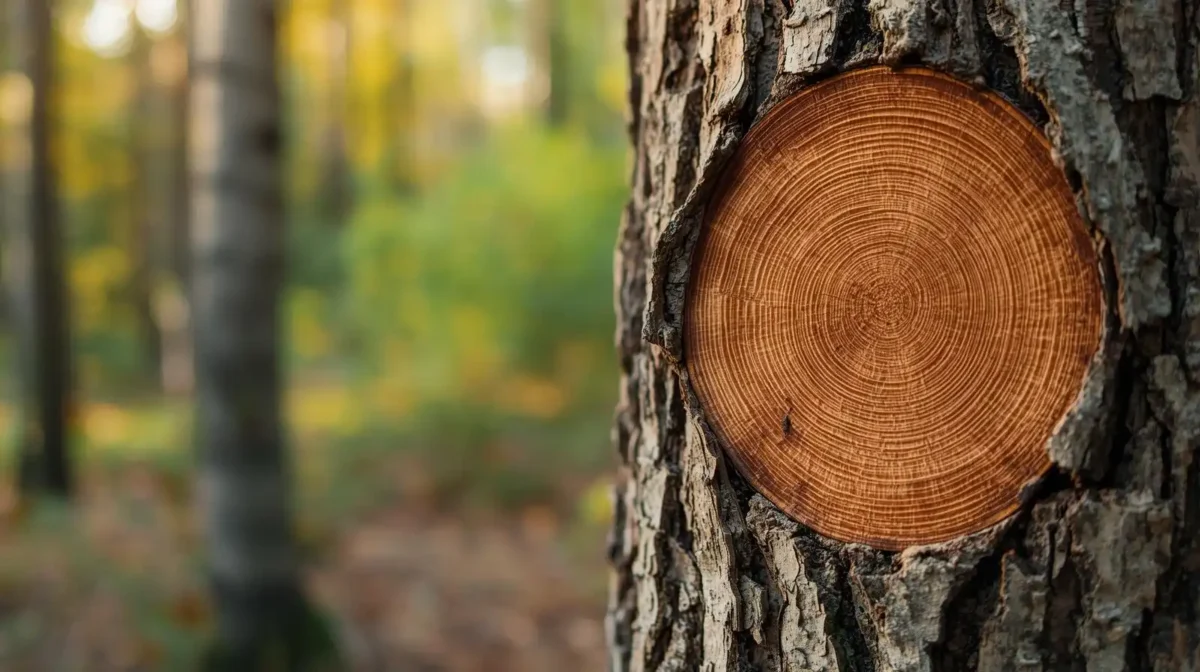
When you walk past a tree, how often do you stop to consider its bark? For most, it’s just a rough exterior, a mere coating shielding the wood beneath. Yet, what if that very skin, seemingly simple, is both the tree’s first line of defense and its most vulnerable point? Do you truly understand the unsung hero protecting every tree you see, from the smallest sapling to the tallest oak?
Tree bark is far more than a protective shell. It regulates moisture, fends off pests, and even communicates the health of the tree to the surrounding ecosystem. Despite this, confusion abounds: How do you tell if bark is healthy or stressed? What should you do when you notice damage or disease? Many tree enthusiasts and homeowners struggle with these questions, leaving trees exposed to preventable harm.
This article will demystify bark, revealing its intricate roles and guiding you through essential care practices. By reading on, you’ll gain the ability to identify different bark types, diagnose common issues, and implement strategies that safeguard these living giants. Beyond protection, you’ll also discover bark’s ecological and practical benefits, knowledge that empowers you to foster a healthier, more vibrant natural environment.
The Anatomy of Bark: Layers of Life
Bark is far more than a tree’s outer shell. Think of it as a sophisticated organ system, a multi-layered network working tirelessly to ensure the tree’s survival, growth, and resilience. While it may appear simple from the outside, bark combines biological complexity, structural ingenuity, and ecological functionality in ways that scientists are still uncovering.
The Outer Bark (Periderm): Nature’s Armor
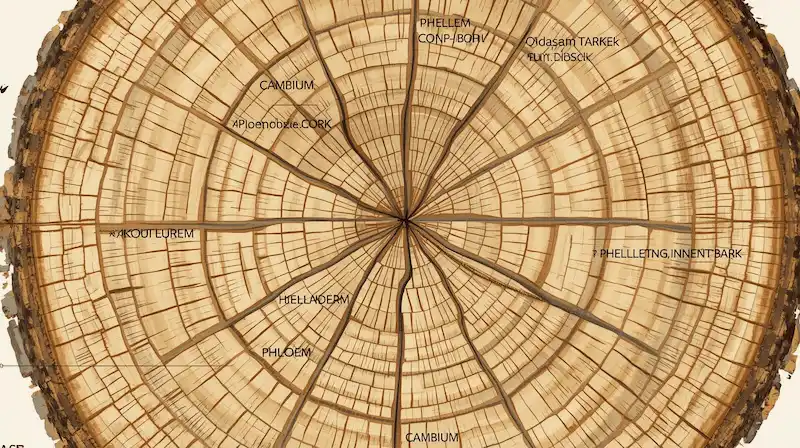
The outer bark, or periderm, is the tree’s first line of defense. It consists of three main components:
- Phellem (dead cork cells): These tough, protective cells form the visible surface, shielding the tree from physical damage, extreme temperatures, and harmful microorganisms.
- Cork Cambium (Phellogen): A thin, living layer beneath the phellem, responsible for producing new cork cells and sustaining the outer bark.
- Phelloderm: A delicate layer of living cells under the cork cambium that contributes to overall bark health.
Together, these structures create armor that not only guards against pathogens but also helps retain moisture and insulates the tree against environmental stresses. Imagine a living suit of armor, constantly regenerating itself to defend the tree.
The Inner Bark (Phloem): The Tree’s Food Highway
Beneath the periderm lies the inner bark, or phloem, a vital transport system. Its primary role is to move sugars, produced through photosynthesis in the leaves, to the roots, growing tips, and storage tissues. Damage to this layer can be catastrophic. Without a functioning phloem, the tree loses its ability to distribute energy, leading to decline or even death.
The Vascular Cambium: The Growth Engine
Nestled between the phloem and xylem, the vascular cambium is a thin but essential layer driving tree growth. By continuously producing new phloem inward and xylem outward, it enables the tree to increase in girth year after year. A healthy cambium is critical for bark regeneration and overall tree vigor; any disruption here can compromise both structural integrity and nutrient transport.
Bark as Biomimicry: Nature’s Original Smart Material
Bark is more than a tree protector; it’s a source of inspiration for human innovation. Its natural engineering features, like self-healing properties, thermal insulation, and waterproofing, have guided research in biomimicry and sustainable design. Scientists have looked to bark when developing materials that can withstand environmental stress, retain heat, or repair themselves, proving that nature’s solutions often outperform human-made alternatives.
By understanding bark as a sophisticated, multifunctional system, we not only appreciate its role in tree survival but also see it as a blueprint for innovative design in architecture, materials science, and environmental engineering.
Bark's Multifaceted Functions: Why It Matters
Bark is not just a passive covering; it is an active, multifunctional system essential for a tree’s survival. Its roles extend from physical defense to environmental regulation and even nutrient storage, making it one of nature’s most remarkable bio-engineering feats.
Physical Protection and Defense
Against Mechanical Injury: Bark serves as a robust shield against scrapes, impacts, and abrasions that could otherwise damage delicate inner tissues. From falling branches to curious animals, it absorbs and disperses physical stresses, helping the tree withstand daily environmental wear.
Against Pests and Pathogens: Bark is equally critical in defending against biological threats. Many species produce chemical compounds, such as tannins and phenolics, which deter insects and inhibit fungal growth. Studies from university extension services and peer-reviewed botanical journals highlight how these compounds form a natural pesticide layer, reducing the need for external chemical interventions.
Environmental Regulation
Insulation: The outer bark acts like a natural thermal blanket, protecting inner tissues from extreme heat in summer and frost in winter. This insulation helps maintain consistent internal conditions, critical for tree metabolism.
Water Retention: Bark reduces moisture loss, particularly during dry spells, by limiting evaporation from the trunk. This function is vital for sustaining tree health in drought-prone areas.
Gas Exchange: Lenticels, the small pores visible on many bark surfaces, facilitate the exchange of gases like oxygen and carbon dioxide. This ensures that even buried inner tissues can “breathe” efficiently.
Nutrient Storage and Structural Support
Storage: Certain bark layers serve as reservoirs for starches and other nutrients, especially during dormancy. This stored energy fuels fast-growing tree growth when conditions improve.
Structural Support: Beyond protection and storage, bark contributes to the tree’s overall structural integrity. Reinforcing the trunk and branches helps trees withstand wind, gravity, and other physical stresses.
Bark’s Bio-Engineering: Nature’s Marvel
Bark is a living example of natural engineering. Its combination of cellular architecture, chemical defenses, and thermal regulation demonstrates a system optimized for survival. Imagine an intricate design where every layer has a specific purpose, from insulation to pest deterrence to nutrient storage.
- Cellular Structure: How phellem and phloem layers provide protection and support.
- Chemical Defenses: Tannins, phenolics, and other compounds that fend off pests and fungi.
- Thermal Regulation: The insulating effect of bark’s layers in extreme climates.
This visual tool will help readers understand not just what bark does, but how it accomplishes these feats, making the science engaging and accessible.
A World of Textures: Exploring Bark Diversity
Bark is more than a protective layer; its diversity is a living record of evolutionary adaptation. Different textures and patterns have evolved to meet the challenges of a tree’s environment, from defending against pests and fire to conserving moisture or facilitating rapid growth. Every groove, scale, and peel tells a story about how the tree has adapted to survive and thrive in its specific habitat.
Common Bark Types and Their Characteristics
|
Bark Type/Texture |
Common Tree Examples |
Key Characteristics |
Primary Benefits |
|
Smooth |
Beech, Aspen, Young Cherry |
Tight, thin, often shiny |
Allows rapid trunk expansion, discourages climbing pests |
|
Furrowed/Ridged |
Oak, Ash, Elm |
Deep vertical grooves, often thick |
Excellent insulation, protection against fire, and mechanical damage |
|
Scaly/Platy |
Pine, Sycamore (exfoliating) |
Flakes or plates that peel off |
Sheds pests, allows growth, visually distinctive |
|
Peeling/Exfoliating |
Birch, River Birch, Cherry |
Strips or curls that shed naturally |
Facilitates rapid trunk expansion, pathogen shedding, and visual appeal |
|
Thorny/Spiny |
Honey Locust, Hawthorn |
Sharp thorns or spines embedded in bark |
Defense against herbivores, physical deterrent |
|
Blocky |
Hackberry, Persimmon |
Square or rectangular plates |
Enhanced insulation aids in species identification |
Each type of bark serves a functional purpose in addition to its aesthetic value. For example, smooth bark helps young trees grow quickly while minimizing pests, whereas furrowed or thick bark provides excellent fire resistance and
protection against environmental stresses.
Case Studies in Bark Adaptation
- Birch: Rapid peeling bark allows trunk expansion and helps shed pathogens.
- Cork Oak: Thick, spongy bark provides insulation and exceptional fire resistance.
- Pine: Scaly bark sheds snow and ice while offering protection from fire.
These examples demonstrate how bark is not uniform but highly specialized, perfectly adapted to each tree’s ecological niche.
Unique Content Element: Interactive Bark Identifier/Diagnostic Quiz
Visual Suggestion: An image-rich, interactive quiz could help readers test their knowledge of bark types. Questions might include:
- “Which tree is this?”
- “What bark type is this?”
- “Is this bark healthy or damaged?”
Immediate feedback can provide educational context, reinforcing knowledge about identifying trees and reading bark health, making the learning experience both fun and practical.
By exploring bark diversity, we gain insight not just into tree biology but also into the delicate balance between survival, environment, and adaptation, a reminder that every tree has its own story written in layers of bark.
Threats to the Barrier: Common Bark Problems
While bark is an impressive natural armor, it is far from invincible. Mechanical injuries, environmental stressors, pests, and diseases can all compromise its integrity, leaving trees vulnerable to long-term damage. Understanding these threats is key to maintaining healthy, resilient trees.
Mechanical Injuries
Physical damage is one of the most common threats to bark. Everyday activities like mowing lawns, using string trimmers, parking vehicles too close, or improper staking can scrape, puncture, or strip bark from trees. Vandalism, though less frequent, also contributes. These wounds expose the inner tissues, providing an entry point for pests, fungi, and bacteria, which can lead to disease or even death if untreated.
Environmental Stressors
- Sun Scald: Young trees or thin-barked species are particularly vulnerable to intense sun exposure. Damage often appears on the south or southwest side of the trunk as sunken, discolored patches.
- Frost Cracks: Rapid temperature fluctuations in winter can cause long, longitudinal splits in bark, especially in species with smooth or thin bark.
- Drought Stress: Prolonged dry periods can cause bark to crack or split, increasing susceptibility to pests and pathogens.
Insights from ISA Certified Arborists emphasize that environmental stressors weaken the bark’s protective functions, making proactive care critical to tree longevity.
Pests and Diseases
- Bark-Boring Insects: Species like the Emerald Ash Borer or bark beetles create tunnels beneath the bark, disrupting nutrient flow and leaving visible holes or sawdust-like frass.
- Fungal Infections: Cankers or wood-decay fungi can cause abnormal growths, discoloration, or soft, spongy areas.
- Bacterial Diseases: Conditions like wetwood (slime flux) often result in oozing sap or foul-smelling exudate.
- Animal Damage: Deer rubbing or rodent gnawing (girdling) can strip bark completely around the trunk, which can be fatal.
Identifying Signs of Distress
Being able to read a tree’s bark is like interpreting a subtle language that reveals its health and environmental stresses. Common warning signs include:
- Changes in Texture & Color: Unnatural peeling, cracks, or dark spots can indicate disease or injury.
- Oozing Sap/Resin: Often a signal of pest activity or infection.
- Unusual Growths: Fungal conks, cankers, or swellings.
- Holes & Tunnels: Clear evidence of boring insects.
The ‘Secret Language’ of Bark
Every change in bark tells a story about the tree’s health. By observing texture, color, sap flow, and growth patterns, tree owners can detect problems early, before they become severe. University plant pathology resources recommend systematic inspections, noting even subtle deviations from normal bark appearance, as these are often the first indicators of stress or infection. Learning to interpret these signs equips you to act decisively, whether it’s consulting a certified arborist, adjusting watering schedules, or implementing pest management strategies.
Nurturing the Guardian: Essential Bark Care & Protection
Bark is the tree’s frontline defense, and nurturing it is crucial to ensure your trees thrive. With the right care, you can minimize damage, prevent disease, and maintain the structural and ecological integrity of your trees.
Preventative Measures
Proper Mulching Techniques
Expert guidance recommends applying a 2–4 inch layer of bark mulch around the base of the tree, keeping it 6–12 inches away from the trunk to avoid “volcano mulching” and potential trunk rot. Mulching provides multiple benefits: it retains soil moisture, moderates temperature extremes, suppresses weeds, and reduces mechanical damage from mowers or foot traffic.
Using Tree Guards & Wraps
For young trees or species with delicate bark, tree guards or wraps are invaluable. They protect against sun scald, rodent damage, and accidental impacts from lawn equipment. Various materials are available, including plastic guards for moisture protection and burlap wraps for winter insulation, each suited to specific environmental conditions.
Correct Pruning Practices
Pruning properly helps maintain bark health. Always make clean, sharp cuts at the branch collar to support the tree’s natural compartmentalization process, which seals wounds effectively and minimizes the risk of bark damage or disease entry. High-quality pruning tools, such as bypass pruners and loppers, ensure precise cuts without crushing tissue.
Site Selection & Tree Identification
Knowing the species of tree you are caring for is critical. Understanding each tree’s unique bark characteristics, susceptibility to pests, and growth habits allows for tailored care. Field guides and identification apps are excellent resources for learning more about your trees’ specific needs.
Managing Existing Damage & Disease
Minor Wounds
Trees have a remarkable ability to compartmentalize minor wounds naturally. ISA Certified Arborists recommend avoiding wound dressings like tar or paint, which can trap pathogens and hinder the healing process. Observing and allowing the tree to heal naturally is often the best course of action.
When to Call a Professional
Not all damage can be managed at home. Extensive disease, severe mechanical injury, or significant pest infestations require consultation with a certified arborist. These experts can assess the tree’s condition and recommend interventions that preserve both health and structural integrity.
Overall Tree Health for Bark Integrity
Hydration
Adequate and consistent watering is essential, particularly during dry periods. Proper hydration maintains cellular health in the bark and supports overall tree vigor.
Soil Health
Healthy soil is the foundation for strong trees. Conducting soil tests ensures optimal nutrient balance and pH levels, which in turn bolster bark resilience and the tree’s natural defenses. Soil test kits are a practical tool for proactive management.
Pest & Disease Management
For common pests and diseases, natural control products such as horticultural oils or neem oil can provide effective protection without introducing harsh chemicals. Early intervention and regular monitoring help maintain bark health and prevent minor issues from escalating.
The Eco-Role of Bark: Beyond the Tree
Bark is not just a protective covering; it is a living interface between the tree and its environment, supporting biodiversity and contributing to ecosystem health in ways many people overlook.
Microhabitats & Biodiversity
Rough, textured bark provides shelter and breeding grounds for countless organisms, from insects and spiders to small invertebrates. These microhabitats play a critical role in maintaining local biodiversity. By appreciating and preserving these bark textures, gardeners and arborists can support beneficial insects, mosses, lichens, and other small organisms that contribute to a thriving ecosystem.
Lichens, Mosses, and Other Epiphytes
Many organisms, such as lichens and mosses, grow on bark in a mostly non-harmful symbiotic relationship. These epiphytes help recycle nutrients, trap moisture, and provide habitat for other species. Botanical research shows that epiphytes play an important role in nutrient cycling and the overall health of forest ecosystems, demonstrating that bark is more than a static surface; it is a dynamic ecological platform.
Nutrient Cycling
When bark naturally sheds and decomposes, it returns valuable organic matter and nutrients to the soil. This process enriches the forest floor, supports soil microbial activity, and fosters a healthy environment for seedlings and other plants. Bark, therefore, contributes to a tree’s health long after it has detached, completing an essential nutrient loop.
Bark’s Role in Climate Resilience
Bark also helps trees withstand climate-related stress. Thick, insulating bark can protect sensitive tissues from extreme heat, frost, and increased UV radiation, while other textures help trees conserve moisture during drought. In this way, bark is not only a shield against immediate threats but also a buffer against the growing challenges posed by climate change. By understanding and preserving these natural defenses, we help trees adapt to shifting environmental conditions.
From Forest to Function: Human Uses of Tree Bark
Bark has long been a bridge between nature and human ingenuity, offering a variety of practical, medicinal, and cultural applications. From historical remedies to modern crafting, its versatility reflects both its functional and symbolic significance.
Traditional & Medicinal Uses
Historically, indigenous peoples and early societies relied on bark for medicinal purposes. Notable examples include quinine from cinchona bark, used to treat malaria, and aspirin derived from willow bark for pain relief. Other barks, like cinnamon, have been valued both for culinary and medicinal properties. While these examples illustrate bark’s potential, it’s important to emphasize sustainable harvesting and ethical sourcing. Removing bark irresponsibly can harm trees and ecosystems, so all medicinal uses should be approached with environmental care. This information is for educational purposes only and is not medical advice.
Crafting & Manufacturing
Bark’s structural properties make it valuable for a range of human uses:
- Cork Products: Cork is harvested from the thick bark of cork oak without harming the tree. It’s used for stoppers, flooring, insulation, and more, demonstrating both durability and renewable potential.
- Paper & Textiles: Historically, fibers from barks like paper mulberry were used to produce paper and textiles. Even today, bark fibers find application in artisanal craft and sustainable materials.
- Dyes & Tanning Agents: Various tree barks have been sources of natural dyes and tanning compounds for leather, offering an eco-friendly alternative to synthetic chemicals.
When selecting bark-derived products, prioritize items labeled as sustainably sourced, including cork goods or certain herbal tinctures, to ensure responsible stewardship of forest resources.
Landscaping & Horticulture
Bark also plays a critical role in modern horticulture:
- Bark Mulches: Beyond aesthetics, mulches help retain soil moisture, regulate temperature, and suppress weeds, supporting tree and garden health.
- Expert Tip: Choose bark mulches or bark-derived landscaping products from sustainably managed operations or recycled sources to maintain environmental responsibility.
Journey of a Bark: From Forest Defender to Human Helper (and Back)
Bark’s lifecycle is a story of circularity and stewardship. On the tree, it protects and nourishes; when carefully harvested, it provides humans with medicinal, practical, and aesthetic benefits. Eventually, shed or recycled bark enriches the soil, returning nutrients to the ecosystem and completing a natural cycle. This journey highlights the importance of responsible use, reminding us that human benefit and ecological health can coexist when approached thoughtfully.
Buyer’s Guide & Product Roundup: Choosing Bark Mulches & Tree Protectors
Selecting the right bark mulch and tree protection products is essential for maintaining tree health, aesthetics, and long-term sustainability. Understanding the benefits, drawbacks, and best use cases of each option ensures your trees thrive while reducing environmental impact.
Choosing the Right Bark Mulch
When selecting mulch, consider factors like tree species, soil needs, aesthetic preference, budget, longevity, and environmental sustainability. Different bark types offer unique advantages:
- Pine Bark Mulch: Slightly acidifies soil, decomposes slowly, and is long-lasting. Ideal for acid-loving plants and decorative landscapes. Potential drawbacks include higher cost and susceptibility to being washed away in heavy rain. Top up annually and consider containment in exposed areas.
- Cedar Bark Mulch: Naturally repels insects and emits a pleasant aroma. Best for pest-prone areas or decorative applications. Color may fade over time, and it can be more expensive. Refresh every 1–2 years.
- Hardwood Bark Mulch: Affordable and widely available, providing nutrients to soil. Decomposes faster and may temporarily tie up nitrogen if not composted. Suitable for general landscaping or rapid soil improvement, with annual replenishment recommended.
By understanding the characteristics of each type, you can match mulch to your specific trees, soil, and landscape goals, ensuring both functional and aesthetic benefits.
Selecting Tree Protection Products
Protecting young or vulnerable trees from mechanical injury, sun scald, or rodent damage is crucial. Choosing the right guard depends on material, breathability, size, and ease of installation:
- Plastic Spiral Guards: Easy to install and effective against mechanical damage. They can trap moisture if too tight and are not breathable, so monitor regularly and remove after 1–2 years. Ideal for young trees near lawns or high-traffic areas.
- Mesh Tree Guards (Cylindrical): Offer good air circulation and a physical barrier against deer or rodents. Installation can be cumbersome, and aesthetics may be a concern. Inspect periodically; these guards can last for several years.
- Burlap Tree Wraps: Provide winter protection against frost cracks and sun scald, especially for thin-barked species. Avoid leaving wraps on year-round to prevent pest infestations. Apply in fall and remove in spring.
Product Comparison Table
|
Product Type |
Key Benefits |
Considerations/Drawbacks |
Best Use Case |
Maintenance/Longevity |
|
Pine Bark Mulch |
Acidifies soil slightly, slow decomposition |
Can be expensive, may float away in heavy rain |
Acid-loving plants, decorative, long-lasting |
Top up annually, may need containment |
|
Cedar Bark Mulch |
Natural insect repellent, pleasant aroma |
More expensive, color fades over time |
Pest-prone areas, decorative |
Top up every 1–2 years, color may need refreshing |
|
Hardwood Bark Mulch |
Readily available, affordable, good nutrient source |
Decomposes faster, can tie up nitrogen |
General landscaping, rapid soil improvement |
Top up annually, check nitrogen levels |
|
Plastic Tree Guards (Spiral) |
Easy to install, good physical protection |
Can trap moisture, not breathable |
Young trees, mechanical damage protection |
Check regularly, remove after 1–2 years |
|
Mesh Tree Guards (Cylindrical) |
Good air circulation, physical barrier |
Less aesthetic, installation cumbersome |
Areas with rodent/deer pressure |
Inspect periodically, can last several years |
|
Burlap Tree Wraps |
Winter protection against frost/sun scald |
Can harbor pests if left on too long, less durable |
Young, thin-barked trees in winter |
Apply in fall, remove in spring |
Sustainability & Expert Considerations
When purchasing mulches or tree protection products, prioritize sustainably sourced or recycled options. Look for certified products where possible and consider eco-friendly brands that minimize environmental impact while maintaining functionality. Transparent, evidence-based evaluation, drawing from expert reviews and industry standards, ensures informed, responsible choices for both your trees and the planet.
FAQs
Conclusion: Cherishing Our Trees' First Line of Defense
Tree bark is far more than a simple outer covering; it is a sophisticated, multi-layered system that safeguards the tree, supports ecosystems, and even inspires human innovation. From the protective outer periderm to the nutrient-transporting inner phloem and growth-driving cambium, bark plays a vital role in a tree’s survival and growth.
Understanding bark’s functions also means recognizing the threats it faces, mechanical injury, environmental stress, pests, and diseases, and learning how to respond. With this knowledge, you now can read subtle signs of distress, implement effective care practices, and ensure your trees remain healthy and resilient.
Beyond protection, bark contributes to biodiversity, nutrient cycling, and climate resilience, while providing humans with medicinal, crafting, and horticultural benefits. By appreciating these roles, we gain a deeper connection to nature and a better understanding of our responsibility in stewarding these living giants.
Take action: inspect your trees regularly, apply proper care, use protective measures thoughtfully, and share your insights with others. By doing so, you help preserve the silent guardians of our landscapes, the trees and the remarkable bark that shields them.